Norwegian Lundehund vs Papillon
Side-by-side comparison across all 14 AKC trait ratings, with a clear verdict on which breed fits which kind of household.
Not sure which breed fits your life?
Answer five questions about your home, your schedule, and your tolerance for shedding. We’ll match you to your top three breeds from over 200.
Norwegian Lundehund vs Papillon
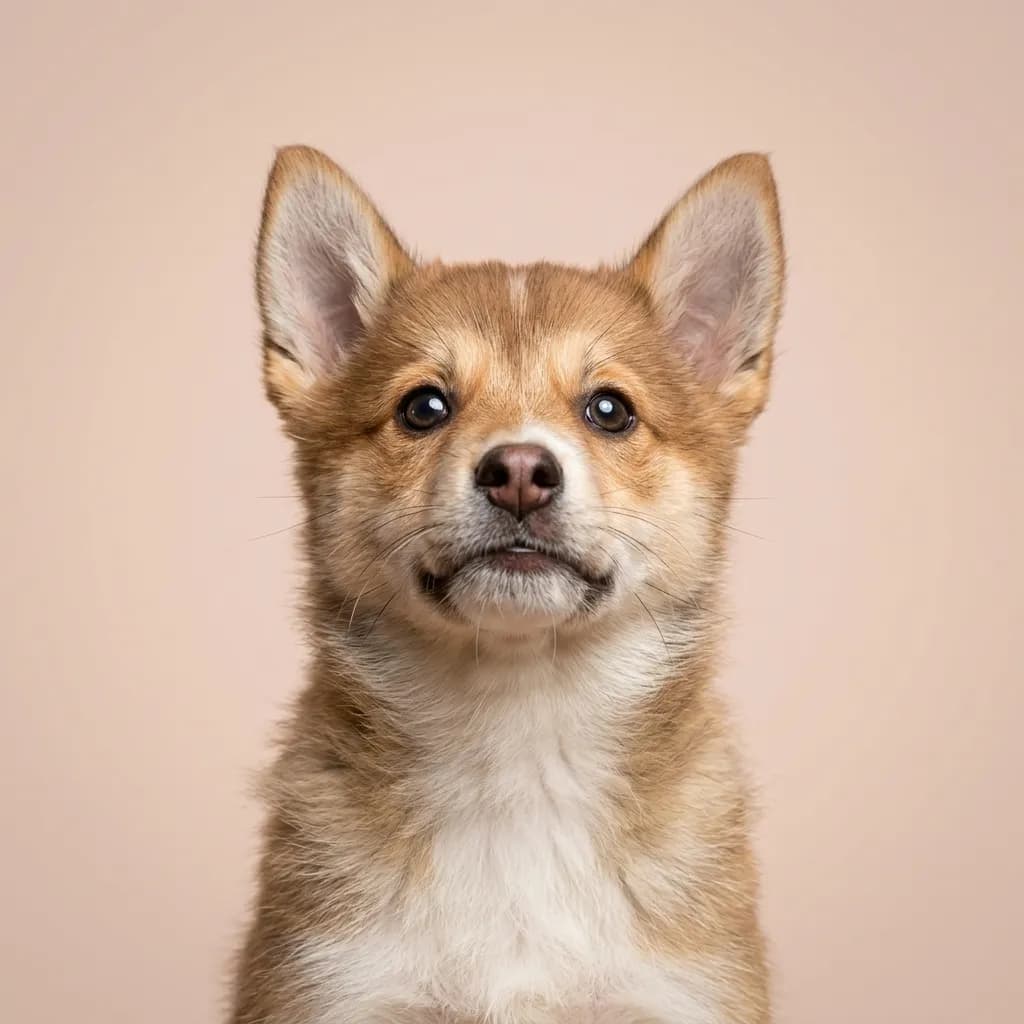
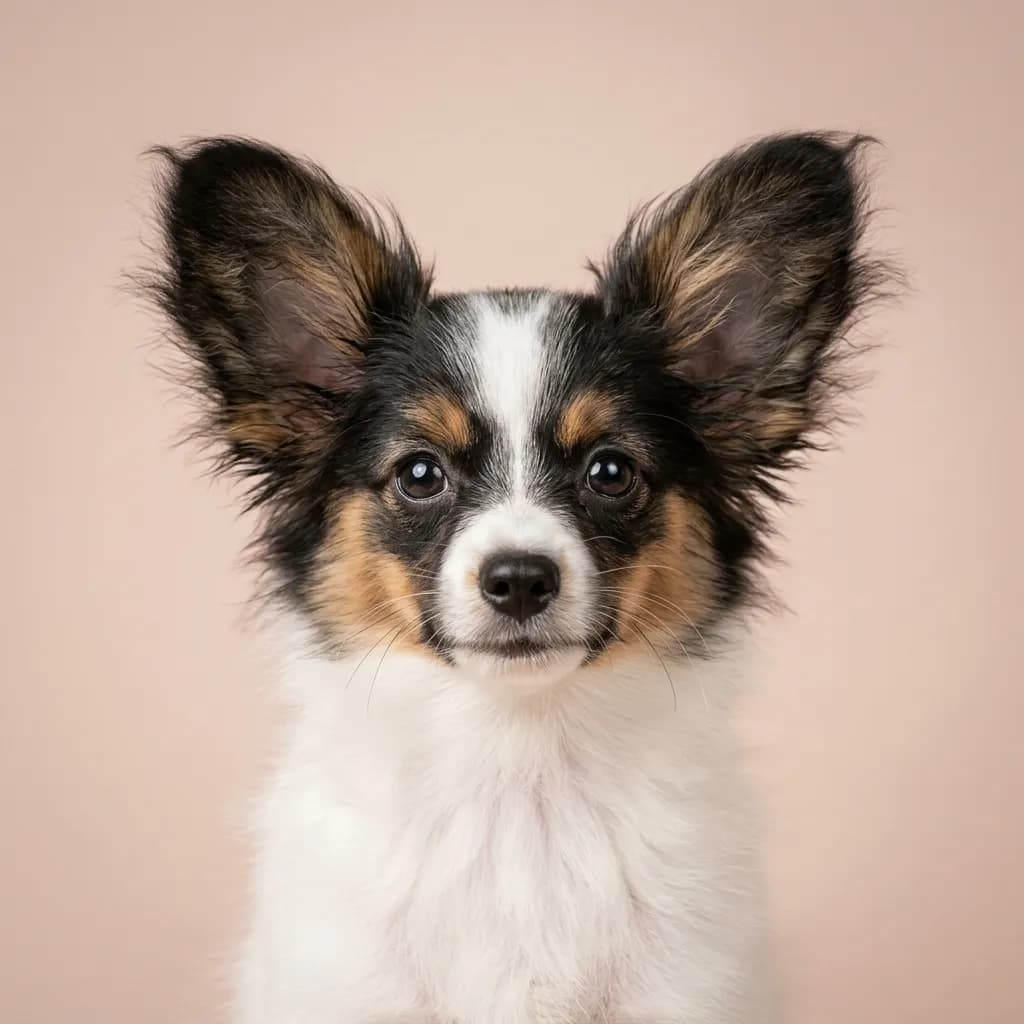
You don’t see a lot of Norwegian Lundehunds at dog parks. That’s part of why people start Googling them. alongside flashier, more accessible breeds like the Papillon. Both are small, pointy-eared, and lively in their own ways, which is probably why they get compared. But that’s where the real similarities end. The Lundehund was built for cliffs, not couches. Six toes per paw, a body that folds like an accordion. this dog evolved to squeeze into narrow cliffside crevices to hunt puffins. It’s rugged, independent, and carries a quiet intensity. You’ll love its loyalty and resilience, but it’s not the easiest to train and demands careful monitoring for gastrointestinal issues. It’s not a dog you casually adopt. You’ll need experience, patience, and a vet who’s seen rare breed conditions. The Papillon, by contrast, was born in palace laps. It’s all elegance and brainpower, a tiny dynamo that thrives on tricks, agility, and human chatter. It’s affectionate, highly trainable, and adapts to city apartments or country homes with equal ease. But don’t let the delicate looks fool you. it’s alert to everything and will bark at the mailman, the squirrel, and the neighbor’s new lawn ornament. And while it’s great with older kids, it’s fragile. Toddlers can accidentally hurt it. If you want a dog that turns heads and teaches you about preservation breeding, the Lundehund might call to you. But if you want a trainable, joyful companion that excels in modern dog life. from obedience to therapy work. the Papillon is hard to beat. Here’s the truth the breed standards won’t tell you: the Papillon may live longer on paper, but the Lundehund’s quirks demand so much specialized care that its practical lifespan in an average home can feel shorter. Choose accordingly.
Trait-by-trait
Higher bar = more of that trait. Shedding, barking, drooling, grooming flipped for readability.Where they diverge
Choose the Norwegian Lundehund if…
- Experienced dog owners
- Those interested in rare breeds
- Active families
Choose the Papillon if…
- Apartment living
- Active owners
- Families with older children
- You value affectionate w/ family — Papillon scores higher here.