Norwegian Lundehund vs Schipperke
Side-by-side comparison across all 14 AKC trait ratings, with a clear verdict on which breed fits which kind of household.
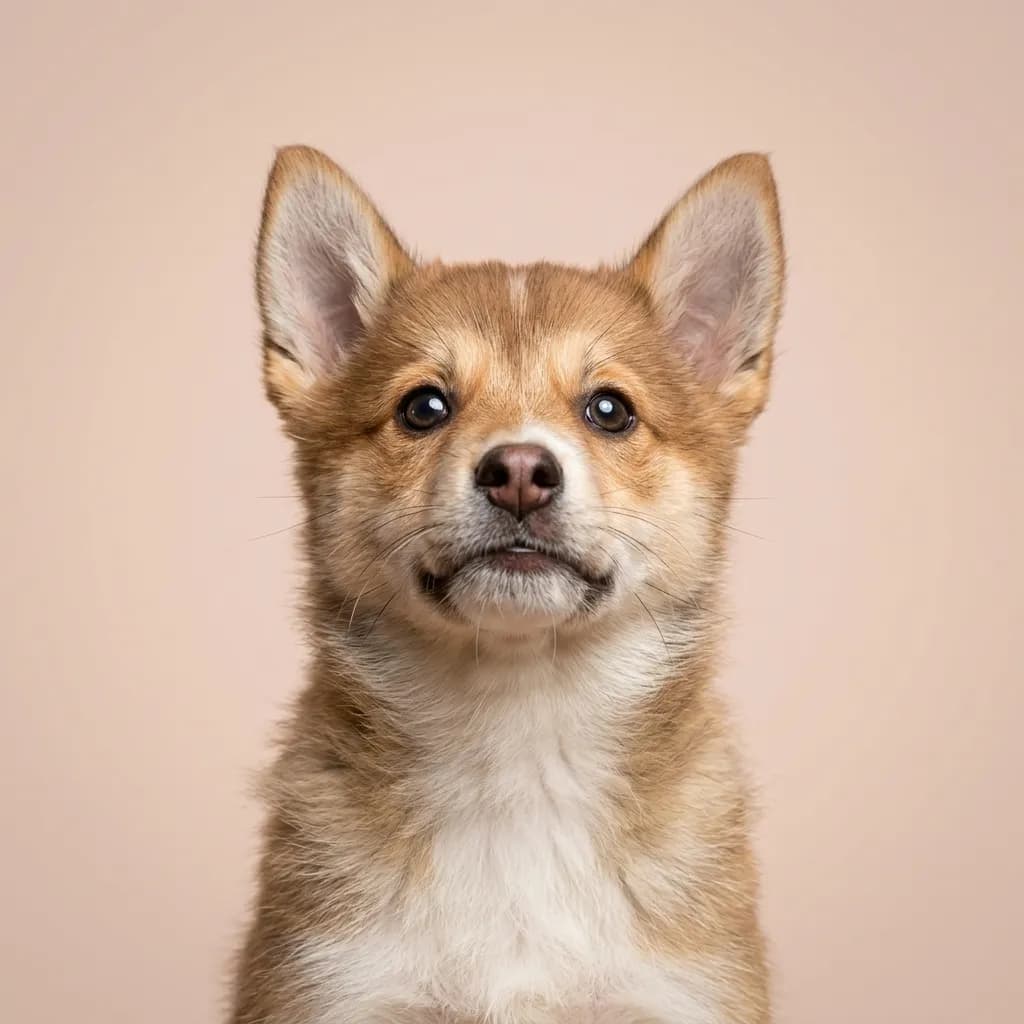
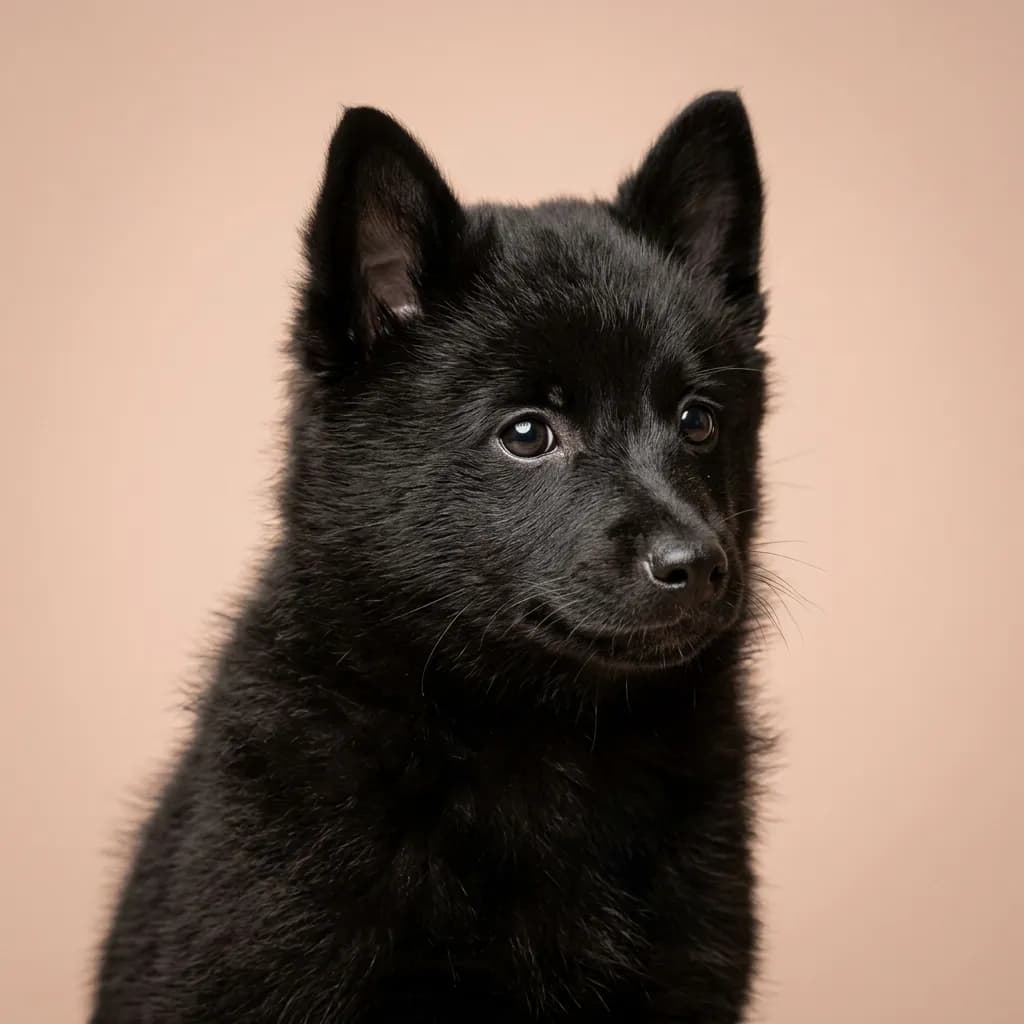
Not sure which breed fits your life?
Answer five questions about your home, your schedule, and your tolerance for shedding. We’ll match you to your top three breeds from over 200.
Norwegian Lundehund vs Schipperke
People compare Norwegian Lundehunds and Schipperkes because they’re both small, rare, and look vaguely fox-like with pointy ears and plumed tails. But that’s where the similarity ends. These dogs come from opposite corners of Europe and entirely different jobs. one scaled sea cliffs to hunt puffins, the other patrolled Belgian barges chasing rats with fearless intensity. If you’re drawn to the Lundehund, you’re signing up for a dog that’s built like a mountain goat. Six toes per foot, flexible joints, and the ability to bend its head backward to touch its spine. this breed is a biological oddity. But that uniqueness comes with baggage. Lundehund syndrome and severe digestive issues mean you’ll likely face vet bills and dietary restrictions most owners never imagine. They’re loyal and energetic but can be stubborn, and their trainability is average at best. You’ll need patience and experience. The Schipperke, meanwhile, is a bold little black dynamo. No tail, big personality, and a tendency to bark at anything that moves. They’re easier to train than Lundehunds and thrive on attention. Schipperkes bond tightly with their people, scoring high on affection, and adapt well to suburban life. just don’t expect quiet. They’re curious to a fault and need secure fencing; left alone with boredom, they’ll find trouble. Here’s the real difference: Lundehunds are high-maintenance in health and temperament, suited only for experienced owners ready for a project. Schipperkes are more predictable, livelier companions for active households. The honest truth? Most people who want a “rare” dog don’t actually want a Lundehund. They want the story. But unless you’re prepared for the reality of managing a dog with lifelong health complexities, the Schipperke’s feisty charm will serve you far better.
Trait-by-trait
Higher bar = more of that trait. Shedding, barking, drooling, grooming flipped for readability.Where they diverge
Choose the Norwegian Lundehund if…
- Experienced dog owners
- Those interested in rare breeds
- Active families
Choose the Schipperke if…
- Active owners
- Those wanting a small but bold breed
- Suburban or rural settings
- You value affectionate w/ family — Schipperke scores higher here.