Norwegian Lundehund vs Scottish Deerhound
Side-by-side comparison across all 14 AKC trait ratings, with a clear verdict on which breed fits which kind of household.

Not sure which breed fits your life?
Answer five questions about your home, your schedule, and your tolerance for shedding. We’ll match you to your top three breeds from over 200.
Norwegian Lundehund vs Scottish Deerhound
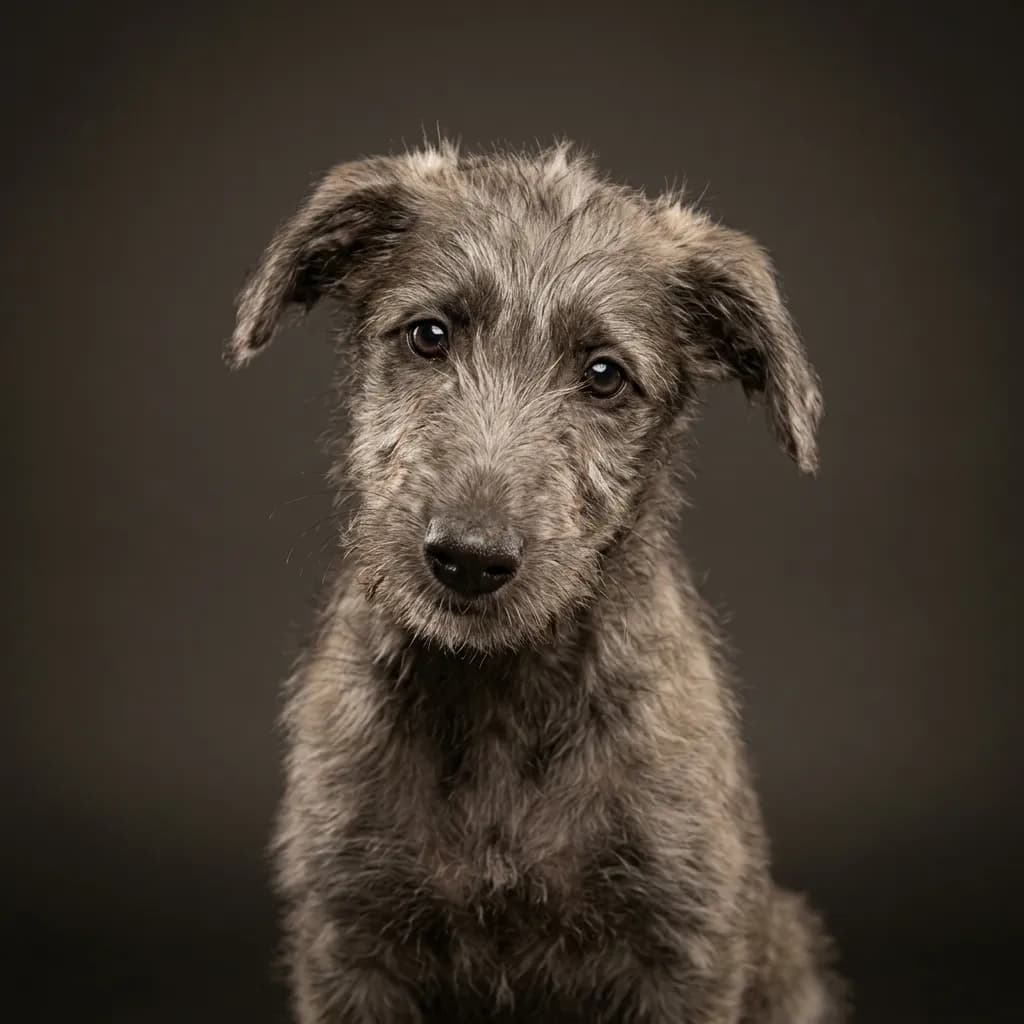
You’re not going to find these two dogs at the same dog park, that’s for sure. One’s a nimble cliff acrobat built for puffin-hunting on Norwegian sea stacks, the other a 100-pound ghost of the Scottish moors bred to take down red deer. But people compare them because they’re both rare, both oddly fascinating, and both demand a certain kind of owner. someone who’s okay being asked, “Wait, what is that?” at every sidewalk. The Lundehund is a six-toed, double-jointed puzzle of a dog. He’s compact, curious, and stubborn in that quiet Nordic way. He won’t follow commands just because you said so, and he’s prone to digestive issues that mean you’ll be reading ingredient labels like a food scientist. He’s not for first-timers. But if you live in a cold climate and want a loyal little explorer who’ll squeeze behind the fridge just to see what’s back there, he might be your guy. The Deerhound? He’s a gentle giant with a beard and a heart bigger than his chest. He moves like a draft horse in slow motion. calm indoors, but don’t let that fool you. He’s a sighthound. If a deer bolts across your field, he’ll follow before his brain catches up. He needs space, a secure fence, and someone who understands that a short lifespan comes with the size. Here’s the real talk: the Lundehund will outlive the Deerhound by years, but he’ll cost you more in vet bills and patience. The Deerhound will melt your heart in under a decade, but he’ll do it completely. Pick the Lundehund if you love projects and quirks. Pick the Deerhound if you’re ready to love deeply, briefly, and without conditions.
Trait-by-trait
Higher bar = more of that trait. Shedding, barking, drooling, grooming flipped for readability.Where they diverge
Choose the Norwegian Lundehund if…
- Experienced dog owners
- Those interested in rare breeds
- Active families
- You value barking level — Norwegian Lundehund scores noticeably higher.
Choose the Scottish Deerhound if…
- Active owners with spacious homes
- Those wanting a gentle giant
- Experienced sighthound owners
- You value affectionate w/ family — Scottish Deerhound scores higher here.