Otterhound vs Sealyham Terrier
Side-by-side comparison across all 14 AKC trait ratings, with a clear verdict on which breed fits which kind of household.
Not sure which breed fits your life?
Answer five questions about your home, your schedule, and your tolerance for shedding. We’ll match you to your top three breeds from over 200.
Otterhound vs Sealyham Terrier
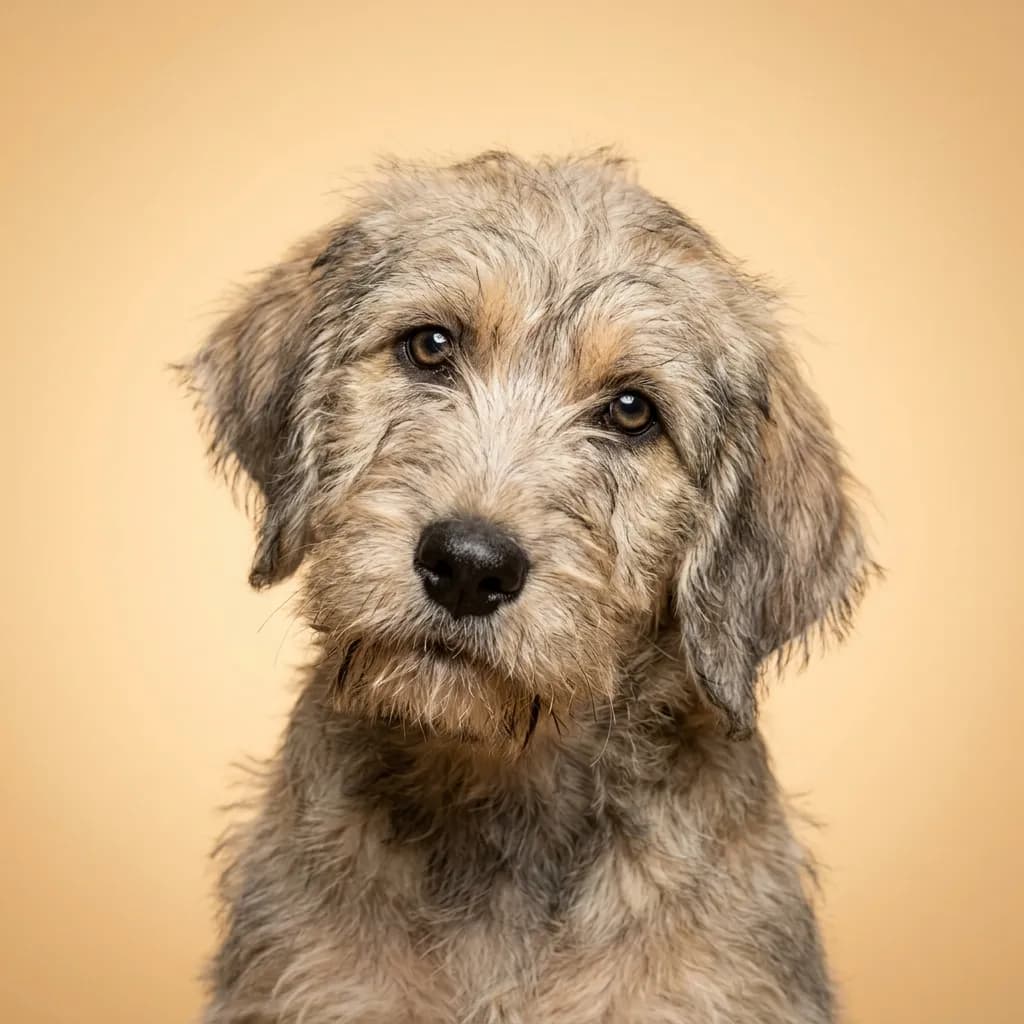
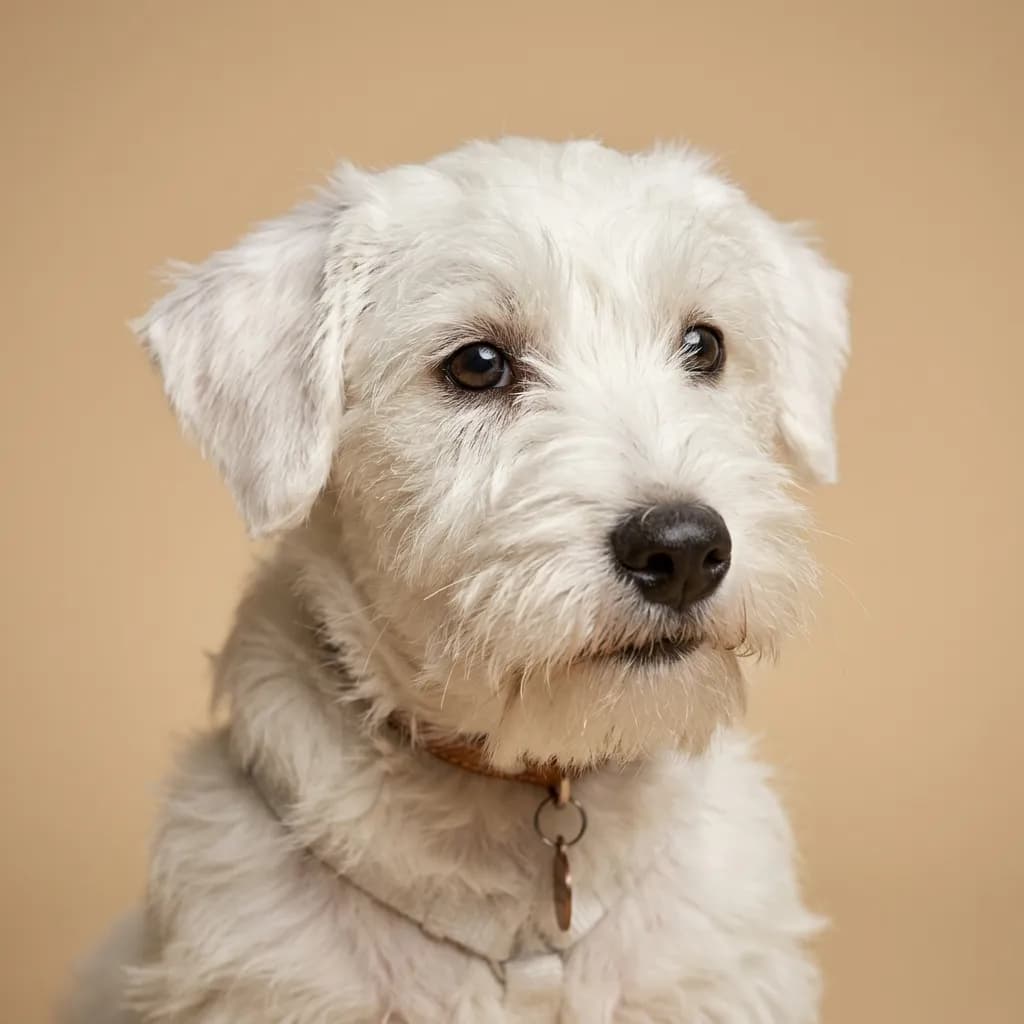
People compare Otterhounds and Sealyham Terriers because both were bred to hunt otters in the UK, but that’s where the similarity ends. One is a slobbery, 100-pound sasquatch of a dog with a voice like a foghorn, the other a compact, wiry little comedian who fits in a car like a suitcase. If you’re choosing between them, you’re really deciding between a joyful, chaotic force of nature and a quirky, low-key companion with a stubborn streak. The Otterhound needs space, water, and a handler who doesn’t mind drool on their morning coffee. They’re boisterous, loud, and not always listening when it counts. recall? Forget it. But they’re deeply affectionate and thrive in rural homes where they can swim, bark, and roam. They’re not delicate, but they do have health concerns like bloat and hip issues, so vet checks are non-negotiable. The Sealyham is the opposite in scale but equal in personality. Light on their feet, lower in volume (though still prone to barking), they’re better suited to apartments or quieter homes. They bond tightly with adults and older kids, but their terrier instincts mean they’ll chase small pets. Grooming isn’t optional. it’s weekly, if not more. Their real hidden challenge? Finding one. They’re critically rare, almost vanishingly so, which means waiting years for a responsible breeder. Here’s the truth the data won’t tell you: the Otterhound will turn your life into a wet, muddy adventure. The Sealyham will sit beside you on the couch and make you laugh every day. One is a lifestyle. The other is a lifelong friend with a sense of humor. Pick based on whether you want a dog who changes how you live. or one who fits right into how you already do.
Trait-by-trait
Higher bar = more of that trait. Shedding, barking, drooling, grooming flipped for readability.Where they diverge
Choose the Otterhound if…
- Active families
- Rural settings
- Outdoor and swimming enthusiasts
- You value drooling level — Otterhound scores noticeably higher.
Choose the Sealyham Terrier if…
- Apartment living
- Seniors
- Those wanting a less active terrier
- You value watchdog / protective — Sealyham Terrier scores higher here.