Otterhound vs Slovensky Kopov
Side-by-side comparison across all 14 AKC trait ratings, with a clear verdict on which breed fits which kind of household.
Not sure which breed fits your life?
Answer five questions about your home, your schedule, and your tolerance for shedding. We’ll match you to your top three breeds from over 200.
Otterhound vs Slovensky Kopov
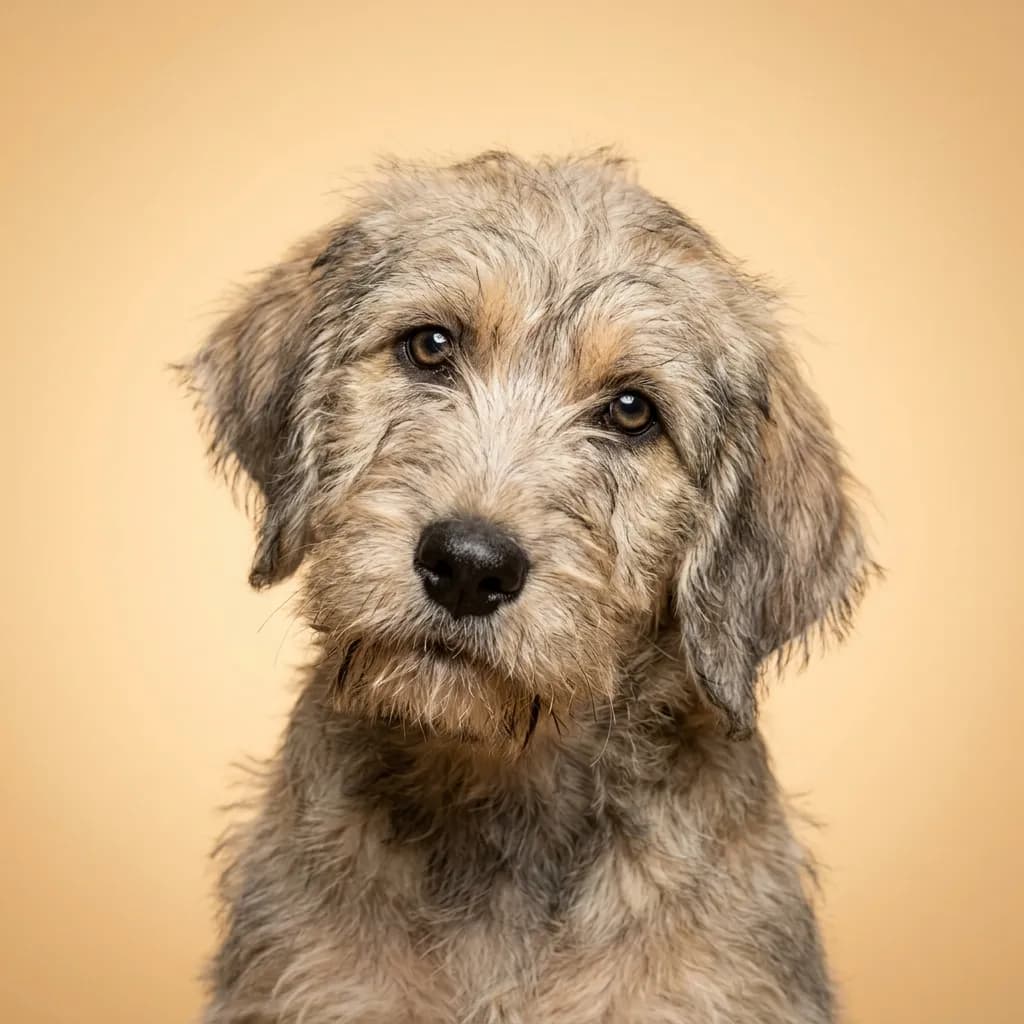
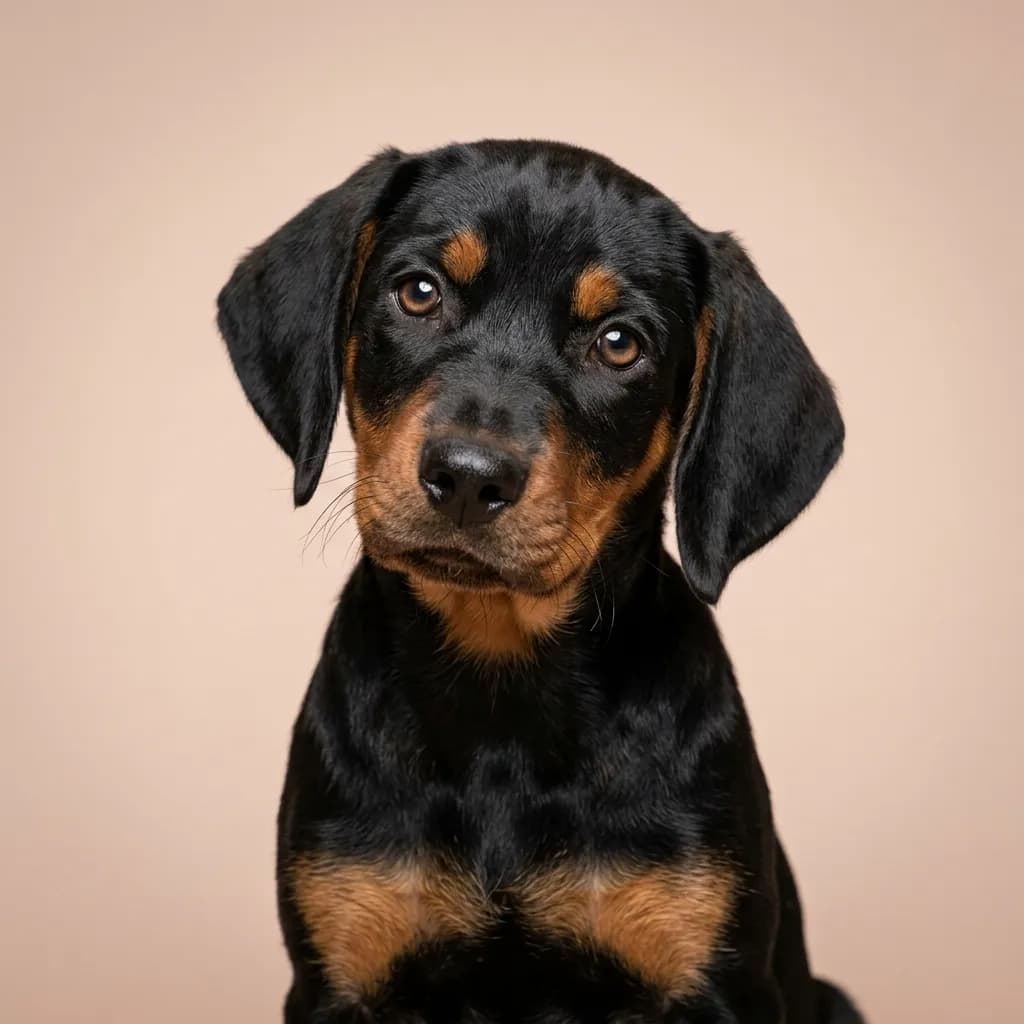
You probably landed here because both the Otterhound and Slovensky Kopov are rare, working scent hounds with serious job resumes. just not the kind you see at dog parks. People compare them when they want a loyal, driven dog with a nose for adventure but don’t need a show-plate pretty boy. That’s where the similarities end. The Otterhound is the big, boisterous teddy bear who drools on your sleeve and barks at clouds. Weighing up to 115 pounds with a shaggy, water-resistant coat, this breed was built to splash through rivers hunting otters. so yes, they love swimming, and yes, they smell like wet dog, all the time. They’re affectionate to a fault, great with older kids if socialized early, and adapt decently to rural life. But don’t even think about off-leash hikes. their recall is terrible, and that nose will lead them miles away. The Slovensky Kopov, in contrast, is leaner, quieter, and built for tracking wild boar through freezing Slovak forests. At under 45 pounds, they’re more manageable in size, less drooly, and don’t carry that classic hound stink. They’re alert and intense, not overly demonstrative, and bond tightly with their person. They need cold weather, space, and a job. ideally something involving tracking. They’re not apartment dogs, but neither are they rowdy home-wreckers like the Otterhound. Here’s the real talk: if you want a dog that’s part goofy family member, part furry river monster, go Otterhound. But if you’re a hunter or serious handler who wants a focused, cold-weather tracker with fewer laundry issues, the Kopov’s your hound. And one thing the data won’t tell you. both breeds will out-smell you every single time. Plan accordingly.
Trait-by-trait
Higher bar = more of that trait. Shedding, barking, drooling, grooming flipped for readability.Where they diverge
Choose the Otterhound if…
- Active families
- Rural settings
- Outdoor and swimming enthusiasts
- You value affectionate w/ family — Otterhound scores noticeably higher.
Choose the Slovensky Kopov if…
- hunters
- active rural owners
- experienced scent hound handlers
- You value good with other dogs — Slovensky Kopov scores higher here.