Papillon vs Russian Tsvetnaya Bolonka
Side-by-side comparison across all 14 AKC trait ratings, with a clear verdict on which breed fits which kind of household.
Not sure which breed fits your life?
Answer five questions about your home, your schedule, and your tolerance for shedding. We’ll match you to your top three breeds from over 200.
Papillon vs Russian Tsvetnaya Bolonka
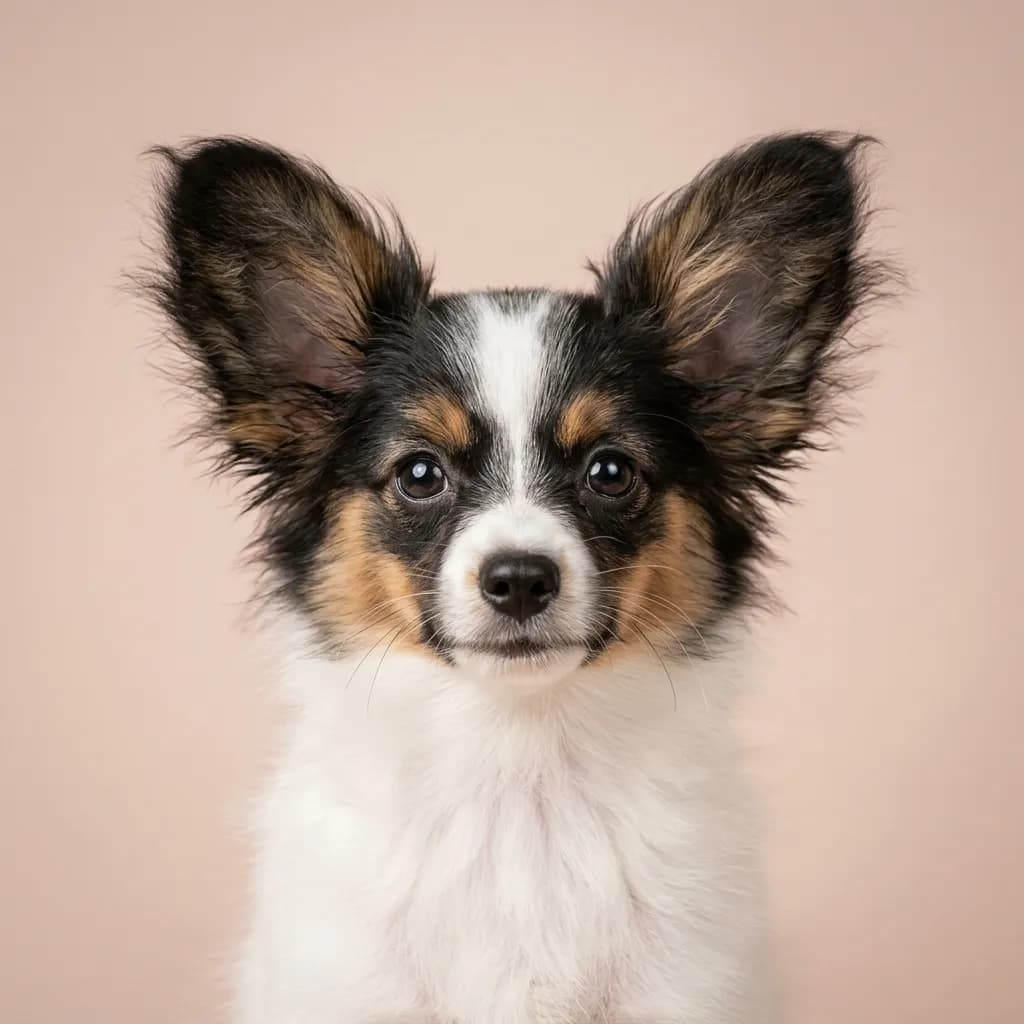
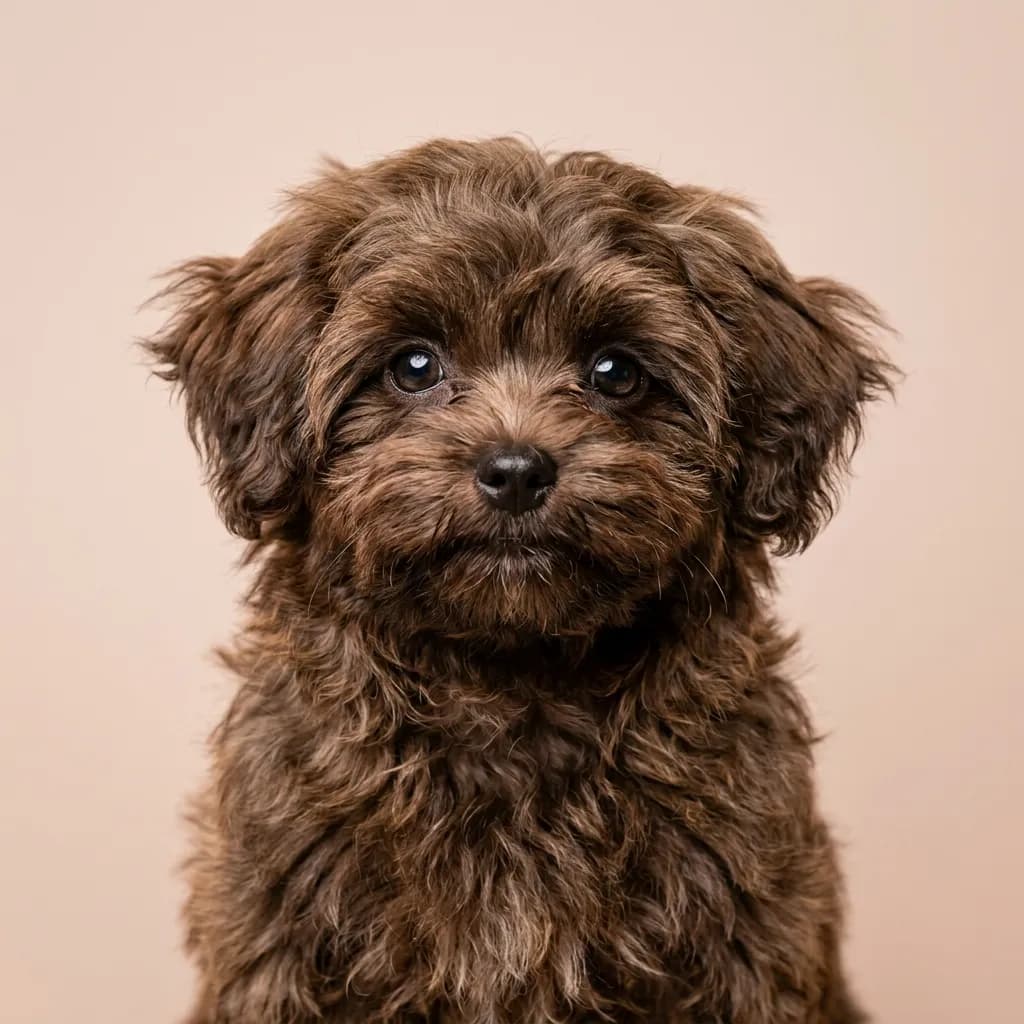
People compare Papillons and Russian Tsvetnaya Bolonkas because they’re both tiny, fluffy lap-sized dogs with big personalities and royal roots. On paper, they fit similar niches. apartment-friendly, long-lived, and deeply attached to their people. But the vibe? Totally different. The Papillon is your energetic, brainy little professor. This dog lives to learn, win agility titles, and talk to you. constantly. They’re fearless with kids over 8 or so, but their terrier-like alertness means they’ll bark at the toaster. If you want a dog that’s always on, thriving on puzzle toys and training games, this is your guy. Just know, their fine coat sheds moderately and their fragility means toddlers are a no-go. The Bolonka, meanwhile, is the velvety, soft-mannered charmer from another world. literally. Bred in Soviet labs to be the perfect companion, they’re hypoallergenic with their single, non-shedding coat that needs weekly upkeep. They’re sweet, affectionate, and observant, but don’t expect a fireball of energy or a dog-sport superstar. They’ll learn tricks, sure, but they’d rather be curled in your lap, quietly judging your life choices. They’re less barky than Papillons but need more grooming than most realize. don’t be fooled by the cute teddy-bear look. Here’s the real talk: Papillons bond with the whole family and stay sharp well into old age. Bolonkas often attach to one person deeply, and can struggle if left alone. If you’re gone a lot, the Papillon copes better. But if you want a calm, hypoallergenic cuddle-magnet who won’t set off your allergies, the Bolonka wins. just commit to the brushing. Pick the Papillon if you want a lively, trainable partner. Pick the Bolonka if you want a gentle, low-shedding shadow. One isn’t better. They’re just different kinds of small.
Trait-by-trait
Higher bar = more of that trait. Shedding, barking, drooling, grooming flipped for readability.Where they diverge
Choose the Papillon if…
- Apartment living
- Active owners
- Families with older children
- You value good with young children — Papillon scores noticeably higher.
Choose the Russian Tsvetnaya Bolonka if…
- Apartment living
- Seniors
- Families with gentle children
- You value coat grooming — Russian Tsvetnaya Bolonka scores higher here.