Papillon vs Swedish Lapphund
Side-by-side comparison across all 14 AKC trait ratings, with a clear verdict on which breed fits which kind of household.
Not sure which breed fits your life?
Answer five questions about your home, your schedule, and your tolerance for shedding. We’ll match you to your top three breeds from over 200.
Papillon vs Swedish Lapphund
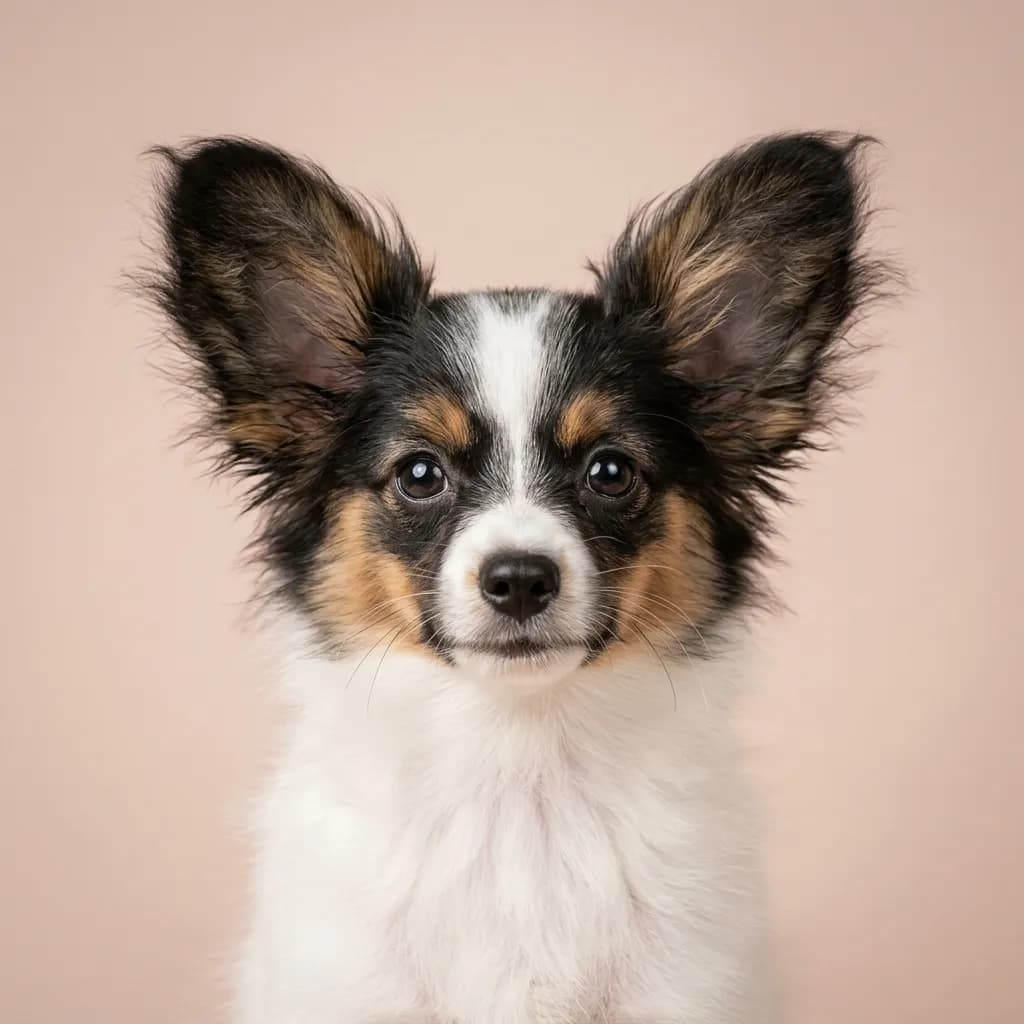
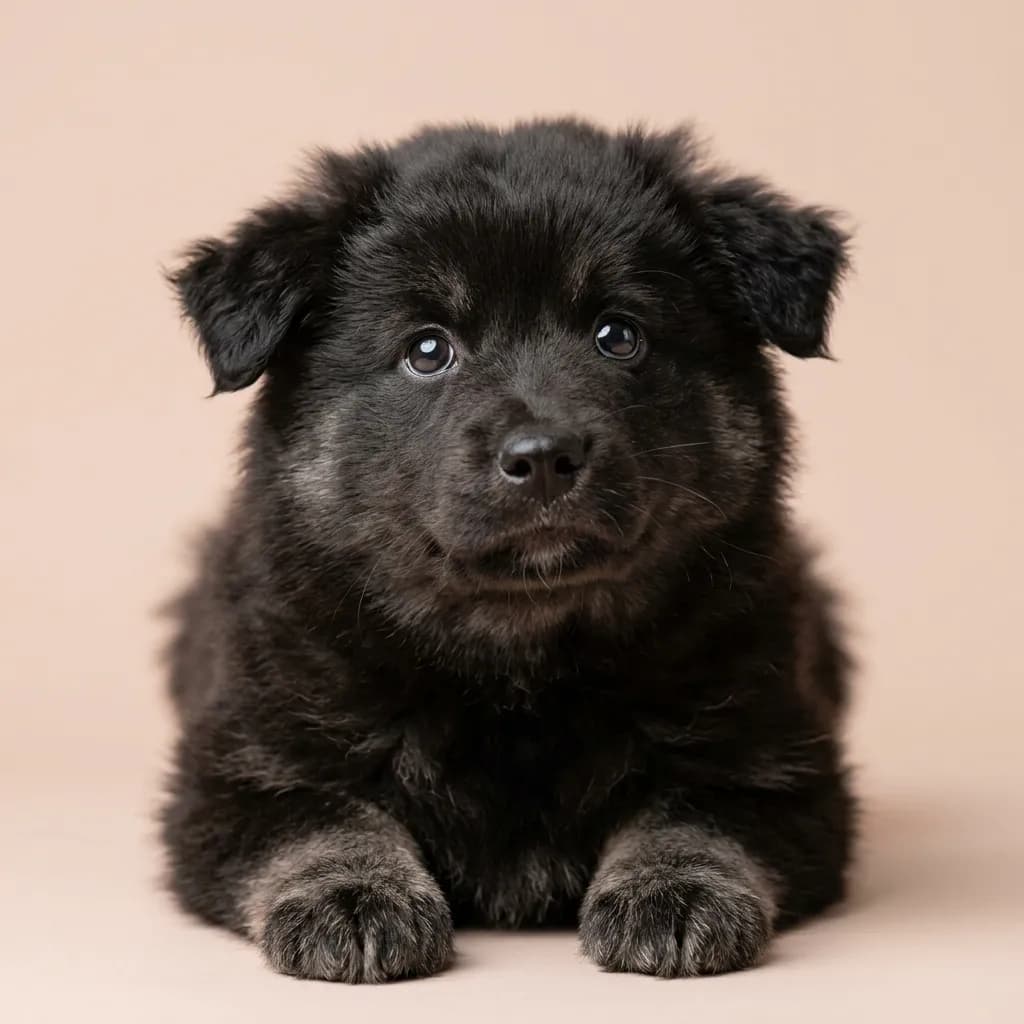
You don’t see Papillons and Swedish Lapphunds compared often, but when someone brings them up together, I get it. Both are smallish, fluffy, pointy-eared dogs with happy faces and big personalities. They look like they could be cousins. cute, alert, and always ready to engage. But that’s where the family resemblance ends. Choosing between them isn’t just about size. It’s about what kind of life you actually live. The Papillon is a polished, high-energy entertainer from royal courts. At just 8 pounds, it’s light enough to live entirely on charm. It’s fearless, brainy, and loud. don’t let the dainty face fool you. This dog will ring the alarm for a leaf blowing across the yard. It thrives in apartments, travels easily, and bonds deeply with older kids and adults who appreciate a dog that’s always on. But if you want quiet evenings or have toddlers underfoot, it’s a hard no. That tiny body means zero margin for accidental drops or rough play. The Swedish Lapphund is a working dog disguised as a teddy bear. Built for Arctic herding, it’s double the height and nearly five times the weight. It’s still agile and smart, great at dog sports, but carries a rugged independence. It wants a job, cold weather, and space to patrol. It’s affectionate but not clingy, vocal but not obsessive. And here’s the real talk: it’s rarer and pricier for a reason. You’re not just buying a dog. You’re joining a tiny community of enthusiasts who hike, sled, or train in obedience because this breed needs purpose. Pick the Papillon if your life is indoors, fast-paced, and social. Pick the Lapphund if you’re outdoorsy, patient, and don’t mind a dog that thinks for itself. One’s a spark plug. The other’s a snowmobile with fur.
Trait-by-trait
Higher bar = more of that trait. Shedding, barking, drooling, grooming flipped for readability.Where they diverge
Choose the Papillon if…
- Apartment living
- Active owners
- Families with older children
- You value good with young children — Papillon scores noticeably higher.
Choose the Swedish Lapphund if…
- Active families
- Cold climate households
- Dog sports enthusiasts
- You value drooling level — Swedish Lapphund scores higher here.