Pekingese vs Russian Toy
Side-by-side comparison across all 14 AKC trait ratings, with a clear verdict on which breed fits which kind of household.

Not sure which breed fits your life?
Answer five questions about your home, your schedule, and your tolerance for shedding. We’ll match you to your top three breeds from over 200.
Pekingese vs Russian Toy
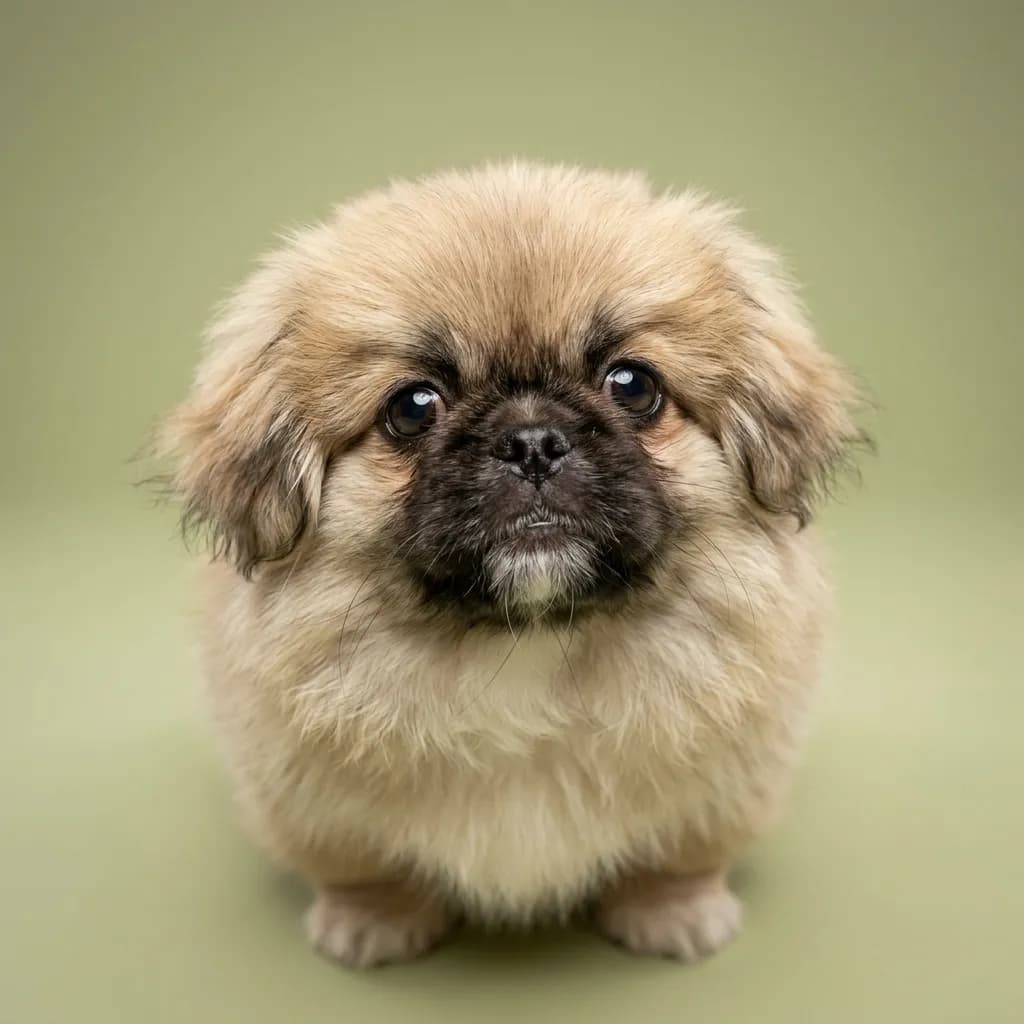
People compare the Pekingese and Russian Toy because they’re both tiny, regal-looking lapdogs with royal pedigrees and a presence that belies their size. But that’s where the similarities end. If the Pekingese is a velvet-draped throne, the Russian Toy is a lithe ballerina in motion. same stage, totally different performance. The Pekingese carries centuries of imperial Chinese court breeding in its flat face and flowing mane. It’s calm, dignified, and deeply affectionate with its person, but it’s not eager to please. Training is a negotiation, not a command. It snoozes happily in sunbeams, asking for little beyond routine and quiet. But that pushed-in face means breathing issues, and it can’t handle heat or stairs. It’s loyal to one or two people and tolerates kids about as well as a strict librarian tolerates loud whispers. The Russian Toy, meanwhile, is alert, sprightly, and surprisingly bold. It bonds fiercely and learns quickly, especially with positive reinforcement. It’s more vocal. expect chirps and barks at passing pigeons or doorbells. and it’s fragile. Their bones are fine, so rough play is out. But they’re animated, curious, and thrive on interaction. Leave them alone too long and they’ll develop separation anxiety or chew the couch legs. So who picks which? If you want a silent, stately companion who’ll nap beside you all day and impress guests with ancient dignity, go Pekingese. If you want a lively, responsive little shadow who’ll dance with you through city walks and learn tricks with spark, choose the Russian Toy. Here’s the real talk: neither breed is truly low-maintenance. The Pekingese needs daily coat care and climate caution. The Russian Toy needs emotional maintenance. constant inclusion, dental care, and safe spaces. Both are 15-year commitments to a creature built for luxury, not rugged life. Pick based on energy, not just size. One’s a still pond, the other a bubbling brook. You know which you’d rather sit beside.
Trait-by-trait
Higher bar = more of that trait. Shedding, barking, drooling, grooming flipped for readability.Where they diverge
Choose the Pekingese if…
- Apartment living
- Seniors
- Singles or couples
- You value coat grooming — Pekingese scores noticeably higher.
Choose the Russian Toy if…
- Apartment living
- Seniors
- Owners wanting a devoted companion
- You value barking level — Russian Toy scores higher here.