Pomeranian vs Russian Tsvetnaya Bolonka
Side-by-side comparison across all 14 AKC trait ratings, with a clear verdict on which breed fits which kind of household.

Not sure which breed fits your life?
Answer five questions about your home, your schedule, and your tolerance for shedding. We’ll match you to your top three breeds from over 200.
Pomeranian vs Russian Tsvetnaya Bolonka
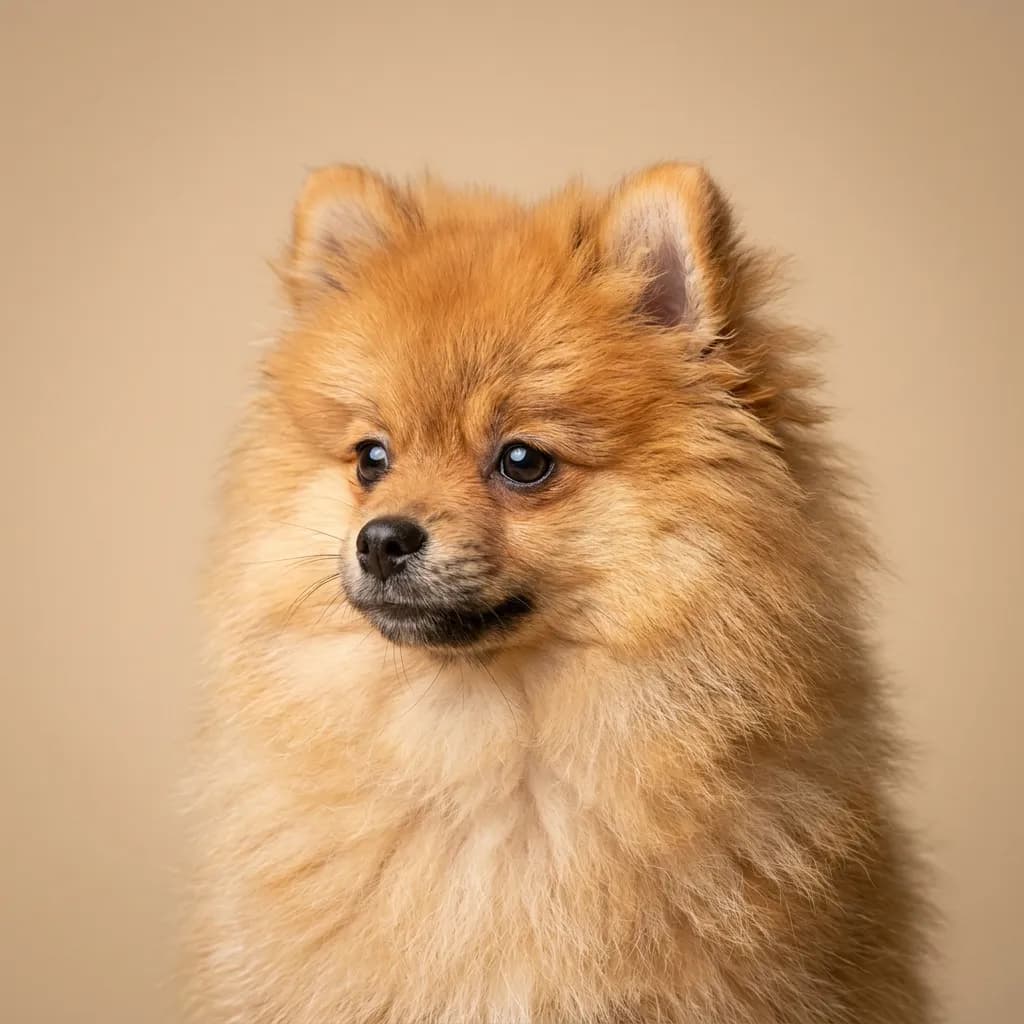
People compare Pomeranians and Russian Tsvetnaya Bolonkas because they’re both tiny, fluffy, big-eyed charmers that fit in a purse and thrive on human closeness. On paper, they look like twins. similar size, lifespan, energy, and enough bark to alert you to a squirrel three blocks away. But if you’ve lived with both, you know they’re very different soulmates. The Pomeranian is the bold little emperor of your living room. He’s got opinions, he’s not afraid to yap, and he’ll boss bigger dogs around like he’s ten times his size. He’s affectionate but on his terms. You’ll love him, but he might not always love back in the way you expect. He’s flashy, yes, but that double coat? It sheds less than you’d think, but the grooming demands are real. expect tangles daily if you don’t stay on top of it. The Bolonka, though. that’s the quiet revelation. Bred as a true lapdog behind the Iron Curtain, she’s softer in temperament, slightly more biddable, and somehow more present. She wants to be involved, not in charge. Her single-layer, curly coat doesn’t shed much at all, making her a stealth pick for people with allergies, even if no dog is truly hypoallergenic. Here’s the real talk: if you want a feisty personality in a pom-pom package and don’t mind a dog that’s always “on,” go Pom. But if you want deep companionship from a dog that melts into your mood instead of dictating it, the Bolonka might be the most honest little heart you’ll ever hold. And while both need grooming, the Bolonka’s coat is easier to manage long-term. if you can find a breeder, which is half the battle.
Trait-by-trait
Higher bar = more of that trait. Shedding, barking, drooling, grooming flipped for readability.Where they diverge
Choose the Pomeranian if…
- Apartment living
- Seniors or retirees
- Those wanting an alert watchdog
- You value shedding level — Pomeranian scores noticeably higher.
Choose the Russian Tsvetnaya Bolonka if…
- Apartment living
- Seniors
- Families with gentle children
- You value playfulness — Russian Tsvetnaya Bolonka scores higher here.