Portuguese Sheepdog vs Samoyed
Side-by-side comparison across all 14 AKC trait ratings, with a clear verdict on which breed fits which kind of household.

Not sure which breed fits your life?
Answer five questions about your home, your schedule, and your tolerance for shedding. We’ll match you to your top three breeds from over 200.
Portuguese Sheepdog vs Samoyed
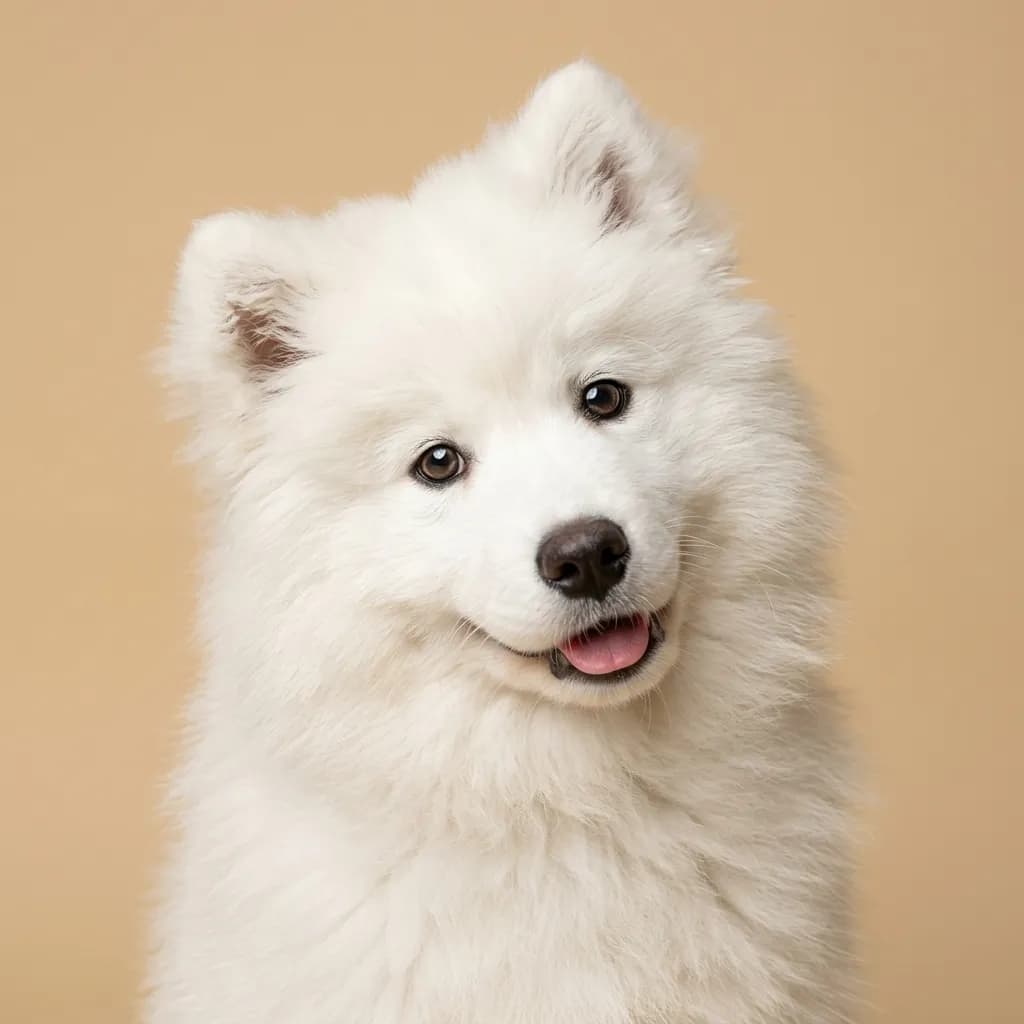
People compare Portuguese Sheepdogs and Samoyeds because they’re both medium to large, fluffy, white-ish dogs with roots in cold climates and herding backgrounds. They look a little alike from a distance—especially when covered in snow—but that’s where the real similarities end. Choosing between them isn’t just about looks. It’s about lifestyle, noise tolerance, and how much dog you’re ready to engage. The Portuguese Sheepdog is a high-drive, intense thinker built for tough mountain work. These dogs live to solve problems and work alongside you. They’re incredibly trainable, yes, but they need jobs. A bored Portuguese Sheepdog will reorganize your backyard or herd your kids with relentless focus. They’re loyal and affectionate, but not the type to flop on your lap for hours. They’re happiest on a farm, in dog sports, or with an experienced owner who speaks fluent “herding dog.” The Samoyed, meanwhile, is the smiling, sociable sweetheart of the Siberian tundra. They’re still energetic and need activity, but they’re more adaptable. They’ll do okay in a suburban yard or a cold-weather city apartment. What they won’t do is keep quiet. Samoyeds bark—loudly, often, and with enthusiasm. And that gorgeous coat? It sheds year-round and blows twice a year like a snowstorm indoors. But they’re deeply affectionate with kids and strangers alike, and they thrive on being part of the family. Here’s the thing no breeder brochure tells you: the Portuguese Sheepdog doesn’t just want your time. It wants your purpose. The Samoyed just wants to be next to you, smiling, even if you’re doing nothing at all. Pick the first if you need a partner. Pick the second if you want a hug with fur.
Trait-by-trait
Higher bar = more of that trait. Shedding, barking, drooling, grooming flipped for readability.Where they diverge
Choose the Portuguese Sheepdog if…
- herding and farm work
- active families
- experienced herding breed owners
- You value drooling level — Portuguese Sheepdog scores noticeably higher.
Choose the Samoyed if…
- Active families
- Cold climate households
- Dog sports enthusiasts
- You value good with young children — Samoyed scores higher here.