Pudelpointer vs Russian Tsvetnaya Bolonka
Side-by-side comparison across all 14 AKC trait ratings, with a clear verdict on which breed fits which kind of household.

Not sure which breed fits your life?
Answer five questions about your home, your schedule, and your tolerance for shedding. We’ll match you to your top three breeds from over 200.
Pudelpointer vs Russian Tsvetnaya Bolonka
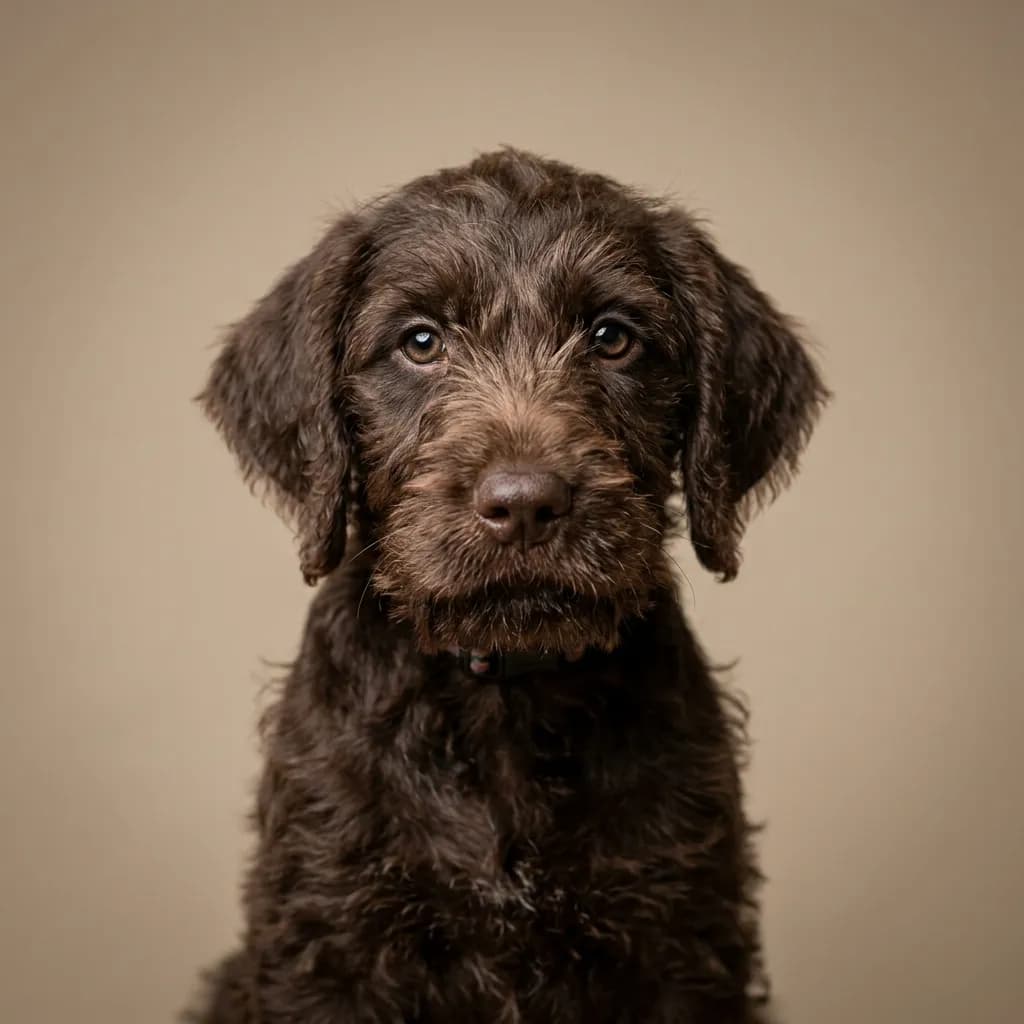
You’re probably not comparing a Pudelpointer and a Russian Tsvetnaya Bolonka because you’re trying to decide between them. You’re doing it because you saw both on a list, or someone mentioned them together, and now you’re wondering—how are they even in the same conversation? One’s a 60-pound German hunting machine built for marshes and mileage. The other is a 7-pound Russian lapdog bred to nap in a silk-lined coat on a Moscow balcony. But people compare them because both are rare, both are smart, and both have that “I’ve never seen that before” factor that draws attention. So here’s the real story. If you’re a hunter, a trail runner, or someone with a big yard and a need for a dog who thrives on work, the Pudelpointer is your dog. It lives to fetch, track, and swim. It’ll train all day and then cuddle at night. But it needs space and purpose. Leave it bored and you’ll come home to a chewed doorframe. The Bolonka? It’s the opposite kind of commitment. Tiny, hypoallergenic, and deeply attached, it’s perfect for city living or retirees who want a velcro dog. It’s not built for fieldwork—it’s built for closeness. But don’t mistake its size for low maintenance. That fluffy coat needs daily care, and it barks at strangers like it’s paid to. Here’s the insight no one talks about: both breeds bond intensely, but in opposite ways. The Pudelpointer bonds through shared effort. The Bolonka bonds through shared space. One wants to earn your love. The other just wants to be near you. Choose the dog whose life matches yours. Not the one that looks interesting.
Trait-by-trait
Higher bar = more of that trait. Shedding, barking, drooling, grooming flipped for readability.Where they diverge
Choose the Pudelpointer if…
- hunters
- very active owners
- waterfowl and upland bird hunters
- You value shedding level — Pudelpointer scores noticeably higher.
Choose the Russian Tsvetnaya Bolonka if…
- Apartment living
- Seniors
- Families with gentle children
- You value coat grooming — Russian Tsvetnaya Bolonka scores higher here.