Pudelpointer vs Siberian Husky
Side-by-side comparison across all 14 AKC trait ratings, with a clear verdict on which breed fits which kind of household.
Not sure which breed fits your life?
Answer five questions about your home, your schedule, and your tolerance for shedding. We’ll match you to your top three breeds from over 200.
Pudelpointer vs Siberian Husky
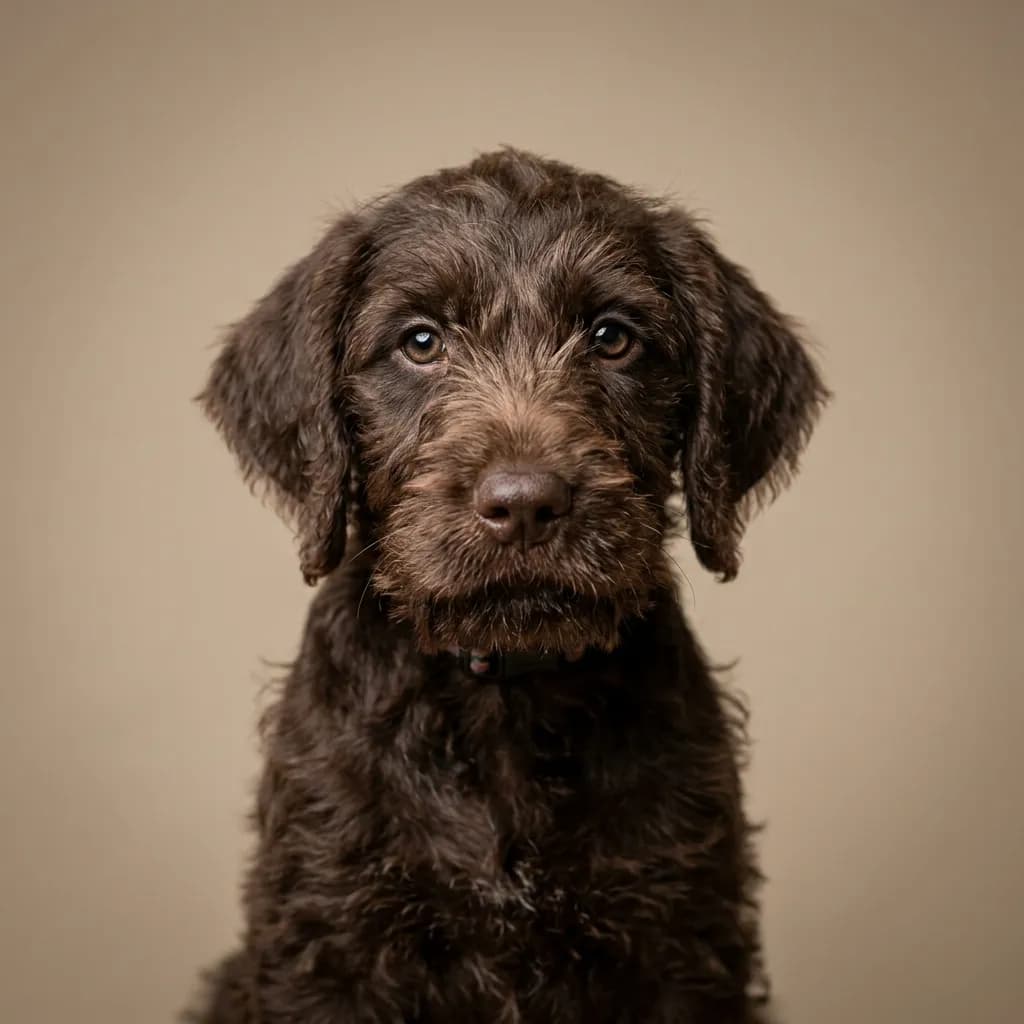
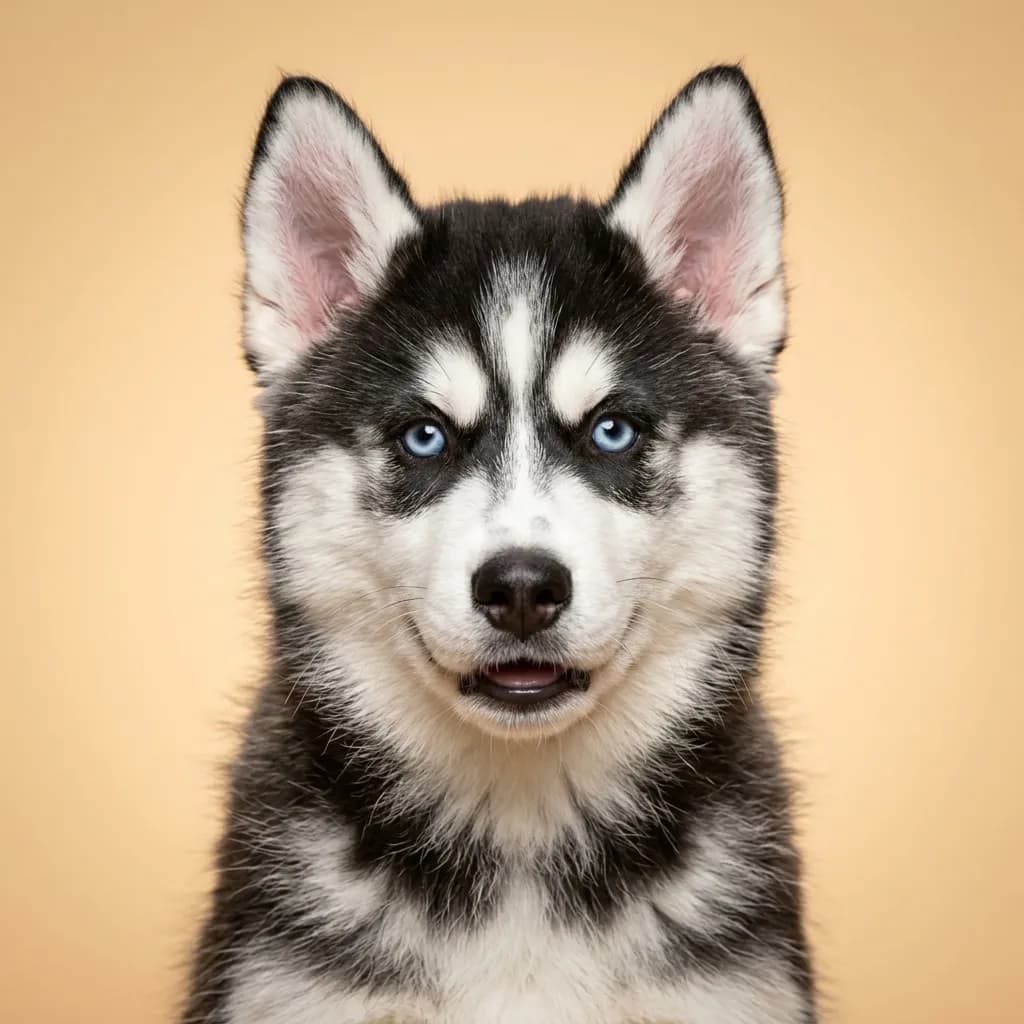
People compare Pudelpointers and Siberian Huskies because both are high-energy, athletic dogs with thick double coats and a wild, “outdoor dog” look. They’re often lumped together by folks wanting a rugged companion who thrives in nature. But that’s where the real similarity ends. The Pudelpointer is a hunting machine built for purpose. These dogs live to work—pointing birds, retrieving from icy water, tracking through brush—and they bond tightly with their handler. You’ll need to give them a job, whether it’s actual hunting or advanced dog sports. They’re smart and eager to learn, so training clicks fast, but don’t expect them to lounge on the couch. They’re also surprisingly quiet for a pointer, barking only when needed. If you’ve got acreage and an outdoor lifestyle, they’ll be your shadow. The Siberian Husky, though, is a free spirit with a mind of its own. Bred to pull sleds in packs, they’re deeply social and love kids, but that independence makes training a grind. They howl, dig, and will vanish if given the chance. And that coat? It sheds—twice a year in avalanches of fur. They’re happiest with daily runs or sledding, but even then, they’ll test boundaries. They’re loyal, yes, but on their terms. Here’s the real difference: Pudelpointers want to please you. Huskies want to please the pack. Choose a Pudelpointer if you hunt, train, or want a focused partner. Choose a Husky if you’ve got space, cold weather, and kids, and don’t mind a Houdini with a snowflake coat. Just don’t get either if you’re not outside daily. Neither will forgive a sedentary life.
Trait-by-trait
Higher bar = more of that trait. Shedding, barking, drooling, grooming flipped for readability.Where they diverge
Choose the Pudelpointer if…
- hunters
- very active owners
- waterfowl and upland bird hunters
- You value drooling level — Pudelpointer scores noticeably higher.
Choose the Siberian Husky if…
- Active owners who exercise daily
- Cold climate households
- Families with children
- You value good with young children — Siberian Husky scores higher here.