Puli vs Samoyed
Side-by-side comparison across all 14 AKC trait ratings, with a clear verdict on which breed fits which kind of household.
Not sure which breed fits your life?
Answer five questions about your home, your schedule, and your tolerance for shedding. We’ll match you to your top three breeds from over 200.
Puli vs Samoyed
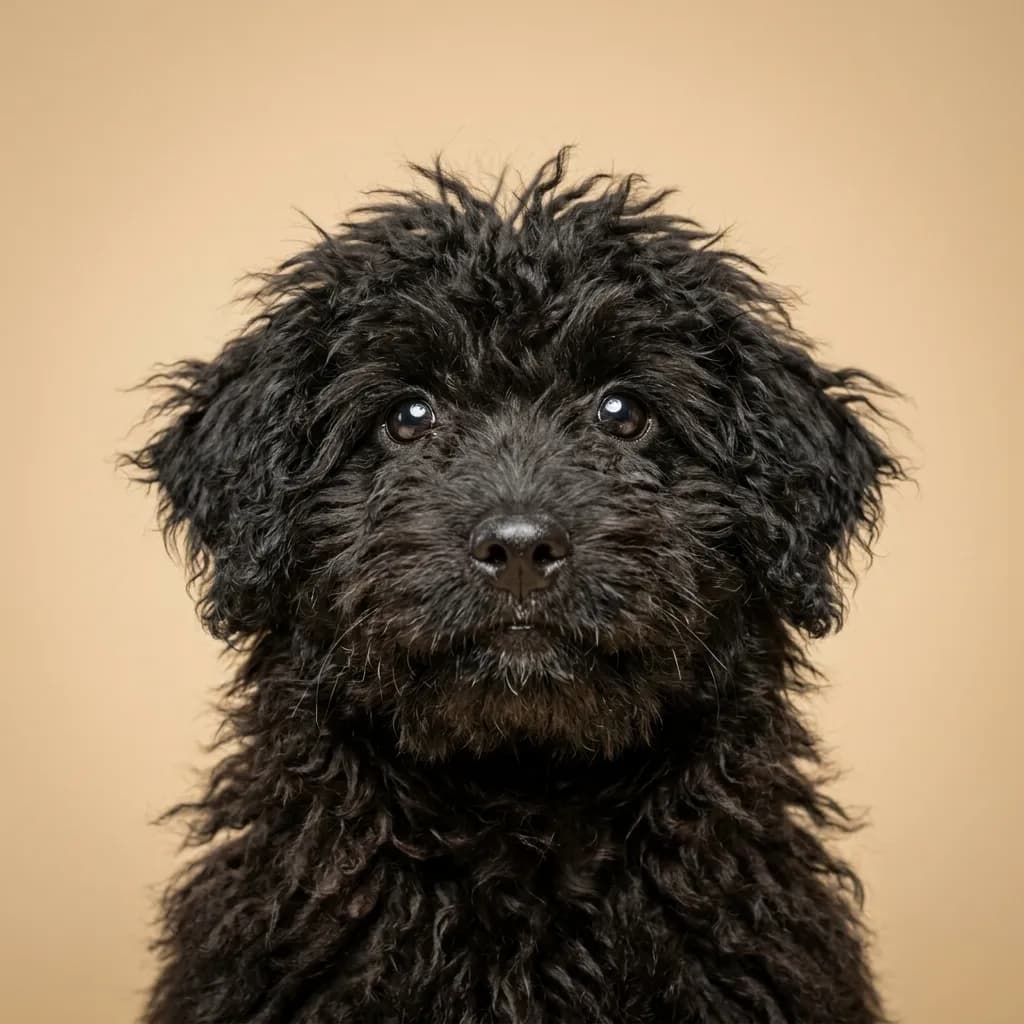
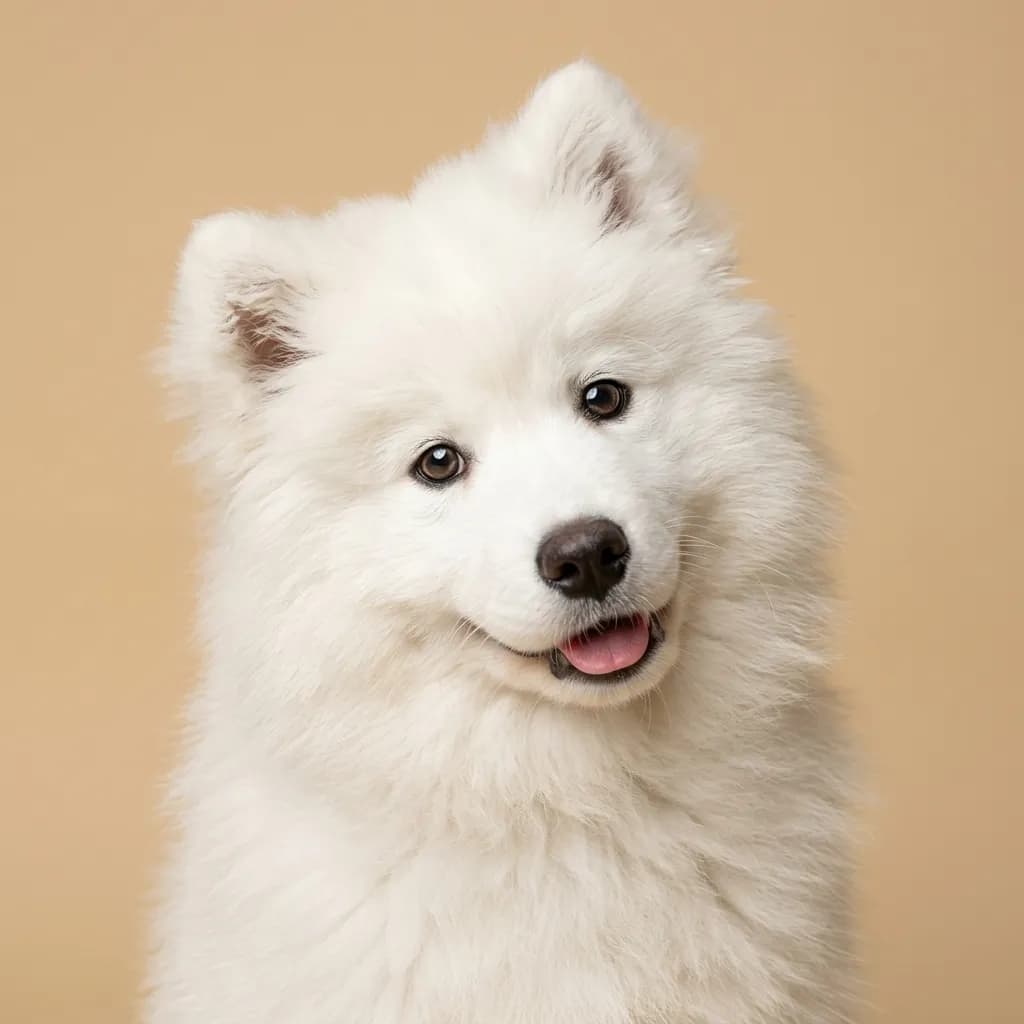
People compare Pulis and Samoyeds because they’re both fluffy, active, and look like they stepped out of a fairy tale. At first glance, they even share that cloud-like silhouette—especially when the Puli’s cords aren’t yet fully formed. But that’s where the similarity ends. Choosing between them isn’t just about coat upkeep, though that alone is a massive deciding factor. The Puli is a compact herding dynamo from Hungary, intense and deeply loyal. Think of a dog that watches your every move with quiet focus, ready to spring into action. They’re smart to a fault and need jobs to do, or they’ll start inventing their own—like herding your kids off the couch. Their corded coat is low-shedding but demands serious grooming time. If you’re not prepared to separate and maintain those dreadlocks regularly, don’t bother. And while they’re affectionate with their people, they’re not the kind of dog who’ll greet strangers with a grin. They’re more likely to assess first. The Samoyed, in contrast, is the people’s dog. Bred for companionship as much as work, they’re social, outgoing, and thrive on interaction. They bark—a lot—and not just to alert. They’ll bark at squirrels, at the mailman, at their own reflection. Their thick double coat sheds heavily, especially in warmer months, and brushing is non-negotiable. But if you want a dog that adores kids, gets along with everyone, and smiles on command, the Samoyed delivers. Here’s the real insight: the Puli bonds like a shadow; the Samoyed bonds like a host at a dinner party. Pick the Puli if you want a devoted, focused partner who happens to look like a mop. Pick the Samoyed if you want a joyful, social athlete who’ll turn your backyard into a winter wonderland—whether you want it to or not.
Trait-by-trait
Higher bar = more of that trait. Shedding, barking, drooling, grooming flipped for readability.Where they diverge
Choose the Puli if…
- Active families
- Experienced dog owners
- Those wanting a unique coat
- You value coat grooming — Puli scores noticeably higher.
Choose the Samoyed if…
- Active families
- Cold climate households
- Dog sports enthusiasts
- You value good with young children — Samoyed scores higher here.