Puli vs Slovensky Cuvac
Side-by-side comparison across all 14 AKC trait ratings, with a clear verdict on which breed fits which kind of household.
Not sure which breed fits your life?
Answer five questions about your home, your schedule, and your tolerance for shedding. We’ll match you to your top three breeds from over 200.
Puli vs Slovensky Cuvac
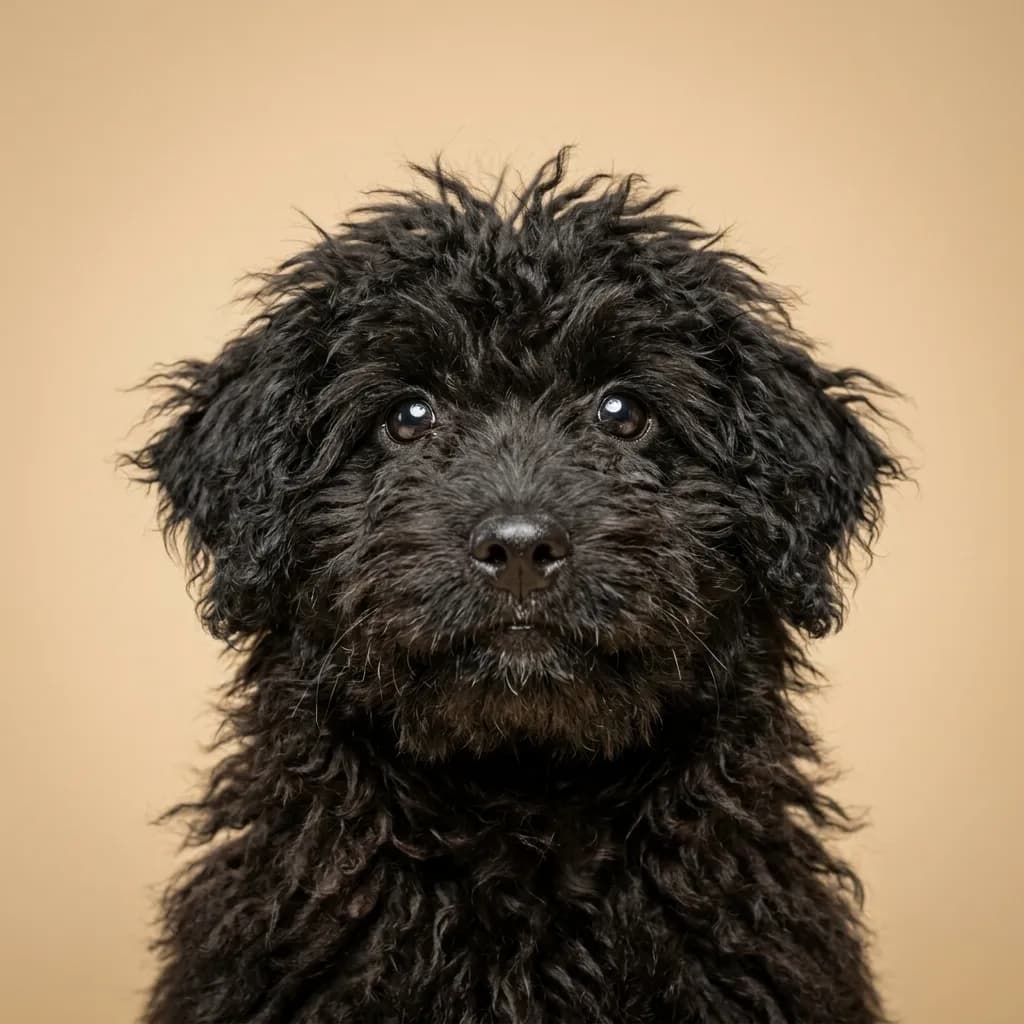
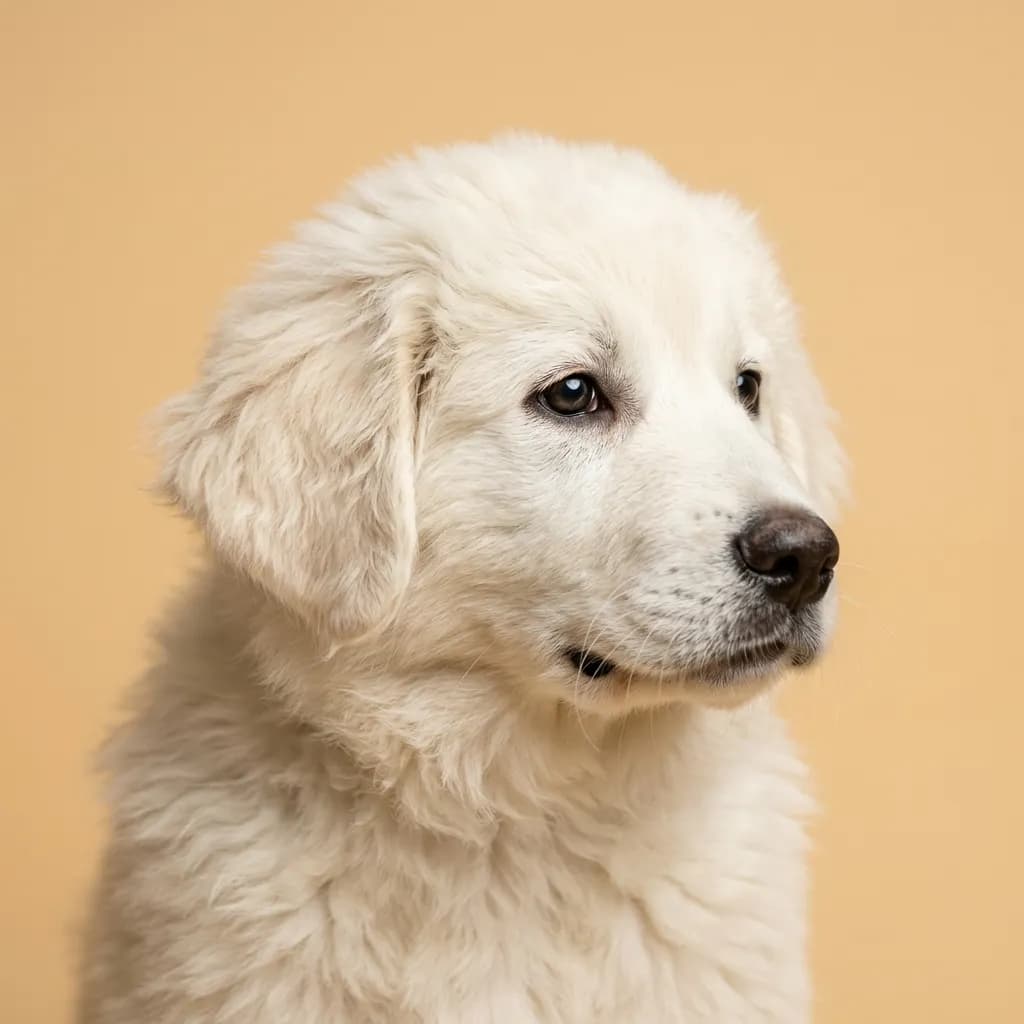
People compare the Puli and the Slovensky Cuvac because both are rare, white, weather-resistant coated guardians from Central Europe—on paper, they sound like distant cousins. But bring one home and you’ll realize they’re practically from different planets. The Puli is the compact, whip-smart herding dynamo with dreadlocks you can’t stop touching. At just 30 pounds, it’s built for agility, not bulk. It thrives on mental puzzles, obedience trials, and daily tasks. You’ll need to spend real time grooming—those cords aren’t lazy man’s curls—but you get a dog that’s deeply bonded, affectionate, and eager to please. It’s the kind of dog that learns a trick by watching you once. But don’t be fooled by its size. It’s not a lapdog. It wants to do something, every day. The Slovensky Cuvac, in contrast, is the quiet giant. Nearly 100 pounds of thick-coated, independent guardian built to spend nights alone in the Carpathian snow, watching over flocks. It’s calm, courageous, and deeply loyal—but not particularly eager to impress you. Training takes patience, and its thick double coat sheds heavily twice a year like a snowstorm. It’s not suited for apartments or hot cities. It needs space, cold weather, and a job. It won’t follow you room to room, but it’ll notice every footstep on your property. Here’s the real insight: the Puli wants to be with you; the Cuvac wants to protect you from a distance. Choose the Puli if you want a trainable, interactive partner in an active household. Choose the Cuvac only if you have land, experience with livestock guardians, and respect for a dog that makes its own decisions. Both are rare—but for good reason. They’re not for everyone. And that’s exactly why the right person will fall hard for one.
Trait-by-trait
Higher bar = more of that trait. Shedding, barking, drooling, grooming flipped for readability.Where they diverge
Choose the Puli if…
- Active families
- Experienced dog owners
- Those wanting a unique coat
- You value coat grooming — Puli scores noticeably higher.
Choose the Slovensky Cuvac if…
- experienced large-breed owners
- farms and large properties
- cold climates
- You value shedding level — Slovensky Cuvac scores higher here.