Pumi vs Schipperke
Side-by-side comparison across all 14 AKC trait ratings, with a clear verdict on which breed fits which kind of household.

Not sure which breed fits your life?
Answer five questions about your home, your schedule, and your tolerance for shedding. We’ll match you to your top three breeds from over 200.
Pumi vs Schipperke
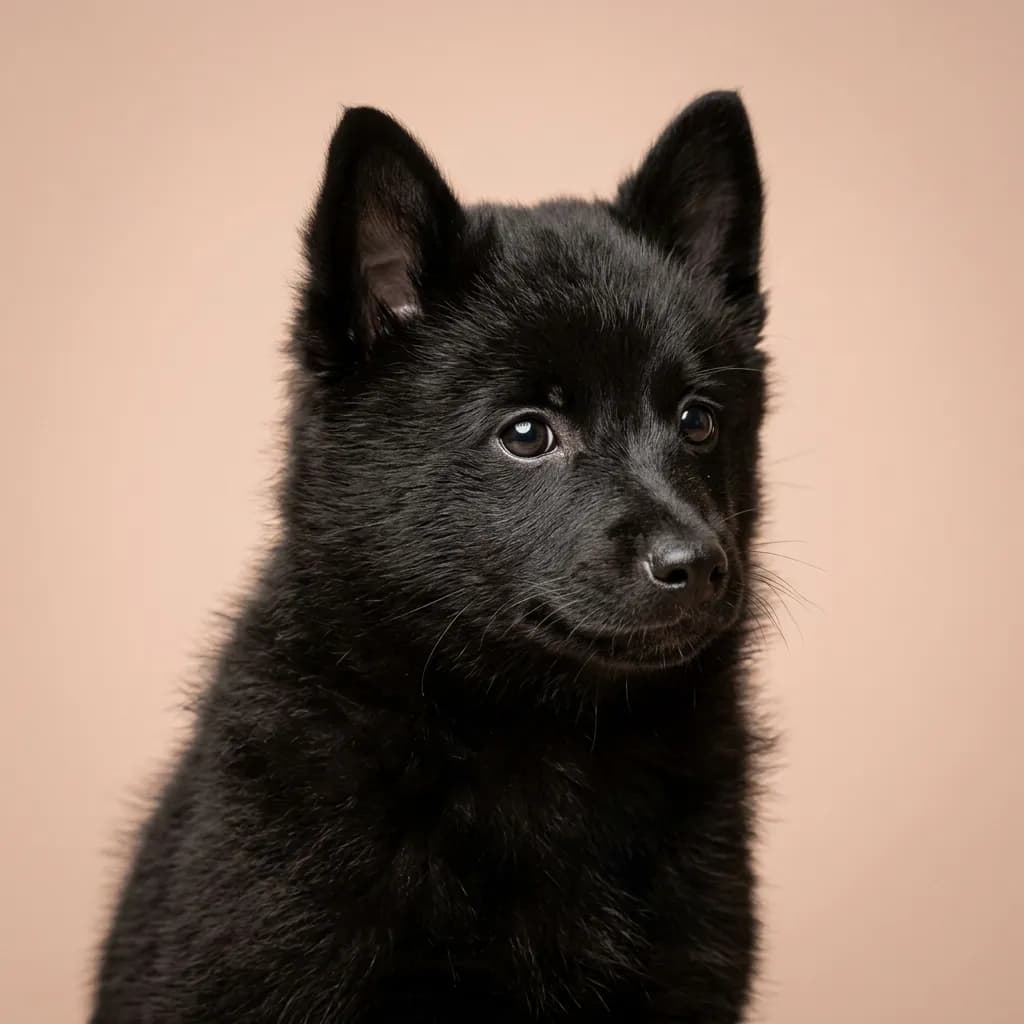
You don’t see Pumis and Schipperkes duking it out at the dog park every day, but if you’re hunting for a small, smart, high-character dog with a big-dog attitude, these two come up together more than you’d think. Both are alert, loyal, and pack a punch in personality. But that’s where the similarity ends. The Pumi is a whirling dervish with a corkscrew coat and the energy of a wind-up toy. This is a dog that lives to work. If your weekends involve agility trials, hiking, or just running laps around the yard because your dog won’t settle, the Pumi fits. It bonds fiercely, learns fast, and needs mental challenges like oxygen. But if you’re not matching its pace, it’ll find its own job—like barking at leaves or herding your toddlers into timeout. It’s not a shedder, which is great, but good luck calling it “low maintenance.” This isn’t a couch companion. This is a herding tornado in a curly coat. The Schipperke, on the other hand, is the tiny black sentinel with a Napoleon complex. It’s bold, inquisitive, and suspicious of change. Less intense than the Pumi, but more stubborn. It’ll alert you to every package delivery and passing squirrel—barking isn’t a trait, it’s a lifestyle. It sheds moderately, so you’ll find fur, but not the constant vacuuming level of some breeds. It’s adaptable and affectionate with family, but not always a fan of young kids or small pets. Think of it as the watchdog that never clocked out. Pick the Pumi if you want a driven partner in adventure. Pick the Schipperke if you want a fearless little guardian with a big personality in a smaller frame. Here’s the real talk: neither of these breeds forgives ignorance. They’re both too smart to be ignored. But the Pumi will punish boredom with destruction. The Schipperke? It’ll just ignore you back—and win the silent treatment war.
Trait-by-trait
Higher bar = more of that trait. Shedding, barking, drooling, grooming flipped for readability.Where they diverge
Choose the Pumi if…
- Active owners
- Dog sports enthusiasts
- Experienced herding breed owners
- You value energy level — Pumi scores noticeably higher.
Choose the Schipperke if…
- Active owners
- Those wanting a small but bold breed
- Suburban or rural settings
- You value shedding level — Schipperke scores higher here.