Pumi vs Yakutian Laika
Side-by-side comparison across all 14 AKC trait ratings, with a clear verdict on which breed fits which kind of household.

Not sure which breed fits your life?
Answer five questions about your home, your schedule, and your tolerance for shedding. We’ll match you to your top three breeds from over 200.
Pumi vs Yakutian Laika
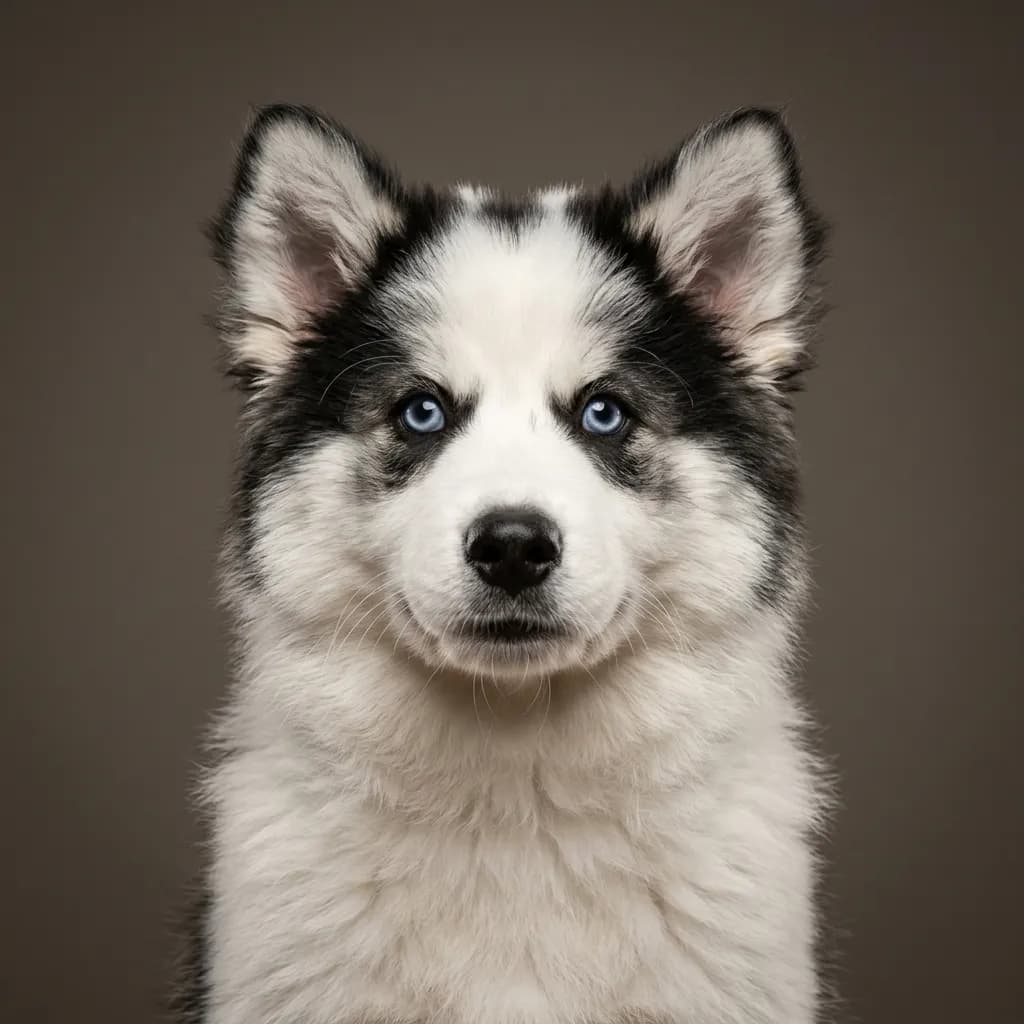
You’re not going to find a Pumi and a Yakutian Laika stacked side-by-side on many comparison charts. But if you’re deep in the weeds of rare working breeds—smart, high-energy dogs that thrive on purpose—you might be circling both. They look nothing alike, but they share that rare combination of mental intensity and physical stamina that makes them unsuitable for casual pet life. So how do you choose? The Pumi is a coiled spring with a mop top. From Hungary’s pastures, this herder lives to work and play hard. It’s obsessive about tasks, brilliant in dog sports, and bonds fiercely with its person. If you do agility, obedience, or just want a dog who’s always two steps ahead mentally—this is your dog. But they don’t fade into the background. They demand jobs, training, and engagement. Kids might be okay, but only in a loud, active household that matches their energy. They’re low-shedding, which helps, but that doesn’t make them apartment-friendly. They’re too wired. The Yakutian Laika is from another world—literally. Bred in Siberia’s frozen tundra, this breed pulls sleds, hunts game, and survives -50°C winters. They’re heavier, thicker, and built for endurance, not agility rings. They’re affectionate with family but reserved with strangers, and they’ll bark at anything unusual—more watchdog than clown. Unlike the Pumi, they’re not eager to please in the same way. Trainability is moderate, meaning consistency is non-negotiable. They need space, cold weather, and a job. But they’re incredibly loyal and surprisingly good with kids. Here’s the real difference: the Pumi wants to be your partner in everything you do. The Laika wants to be your partner in surviving the wilderness. Pick based on your life—not your wishlist.
Trait-by-trait
Higher bar = more of that trait. Shedding, barking, drooling, grooming flipped for readability.Where they diverge
Choose the Pumi if…
- Active owners
- Dog sports enthusiasts
- Experienced herding breed owners
- You value good with strangers — Pumi scores noticeably higher.
Choose the Yakutian Laika if…
- Cold climate owners
- Active families
- Experienced dog owners
- You value shedding level — Yakutian Laika scores higher here.