Pyrenean Mastiff vs Samoyed
Side-by-side comparison across all 14 AKC trait ratings, with a clear verdict on which breed fits which kind of household.
Not sure which breed fits your life?
Answer five questions about your home, your schedule, and your tolerance for shedding. We’ll match you to your top three breeds from over 200.
Pyrenean Mastiff vs Samoyed
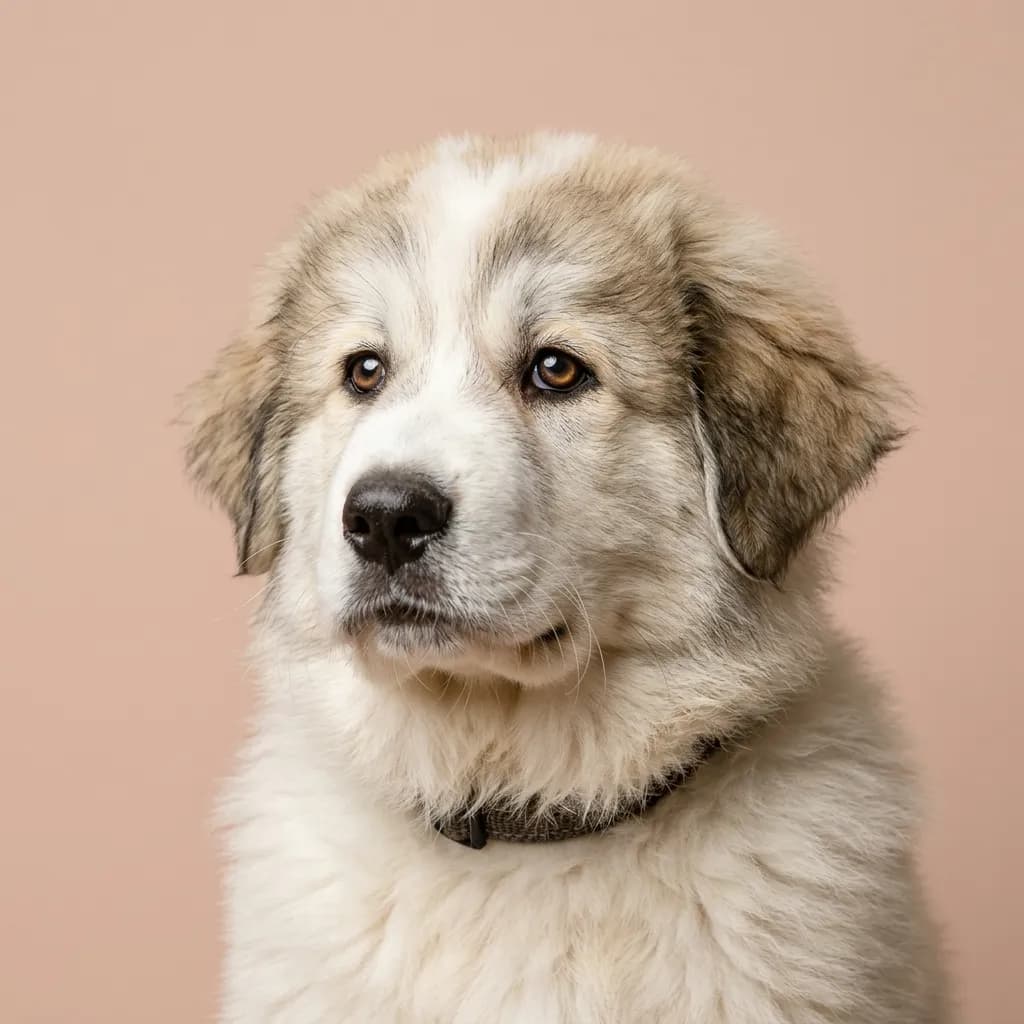
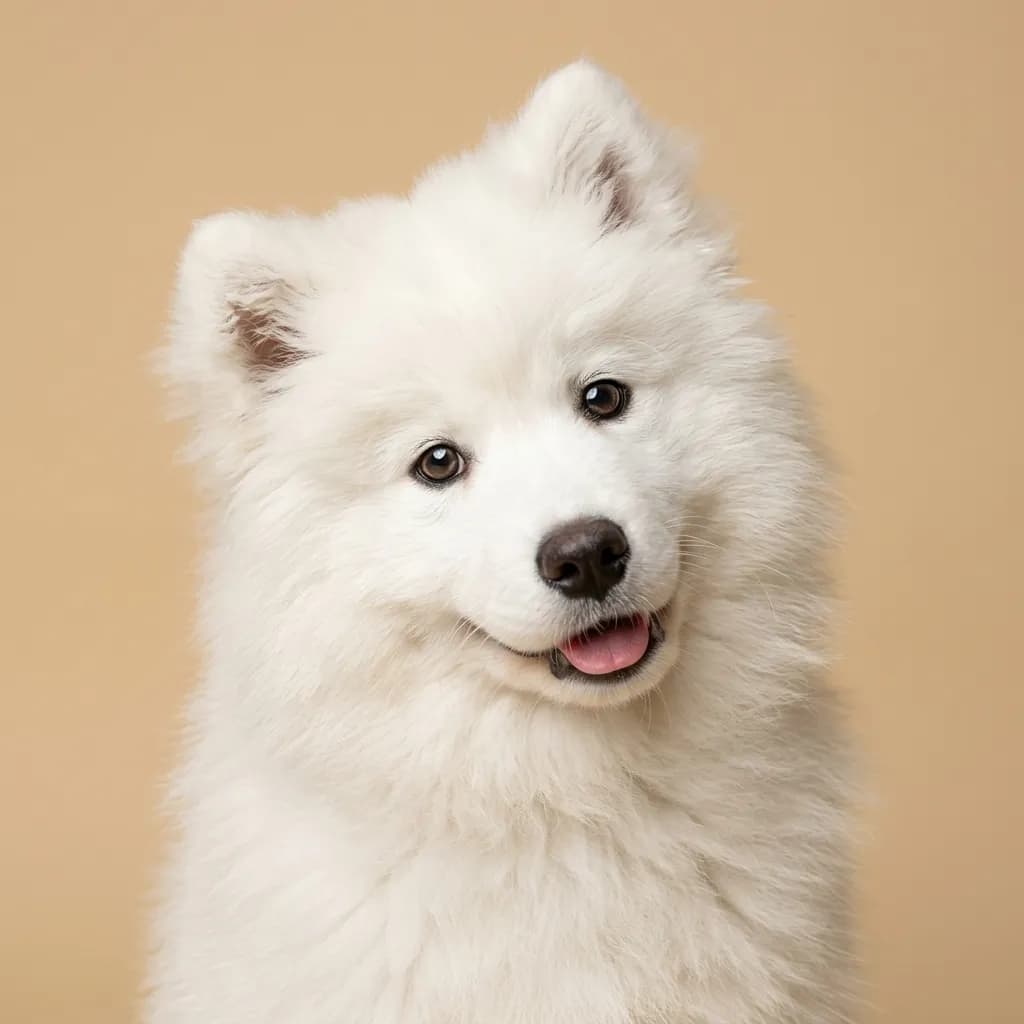
People don’t usually compare a Pyrenean Mastiff and a Samoyed at first glance—one’s a towering mountain of calm, the other a bouncy cloud of energy. But both are white, fluffy, and look like they stepped out of a fairy tale, so it’s easy to see why they get lumped together by dreamers scrolling late at night. The truth is, they’re about as alike as a monastery and a playground. The Pyrenean Mastiff is a gentle giant bred to move with sheep across rugged Pyrenees passes, deterring wolves with presence alone. At 120 to 240 pounds, this dog isn’t just big—it’s a commitment on every level. You’ll need space, a strong fence, and the ability to handle giant-breed costs, from food to vet bills. They’re quiet, loyal, and deeply calm, making them excellent with older kids, but their low adaptability means city living or frequent travel will stress them out. They’re not lazy, but their energy is purposeful, not playful. The Samoyed, meanwhile, is built for joy—and noise. Bred to work in teams in Arctic Siberia, they thrive on interaction. They’ll greet your neighbors, your groceries, and the mailman with equal enthusiasm. High energy and high barking mean they need daily activity and mental challenges. They’re incredible with kids and social butterflies, but that thick coat demands brushing—weekly isn’t enough, think weekly per hour. And they shed—constantly, everywhere. Here’s the real difference beyond size: the Mastiff is a guardian who’ll sit in silence for hours; the Samoyed is a companion who’ll talk to you all night. Choose the Mastiff if you want a noble, steady protector rooted to your land. Pick the Samoyed if your home is full of noise, movement, and love—because this dog needs to be part of it all, every second.
Trait-by-trait
Higher bar = more of that trait. Shedding, barking, drooling, grooming flipped for readability.Where they diverge
Choose the Pyrenean Mastiff if…
- Experienced large-breed owners
- Rural or farm settings
- Livestock guardian needs
- You value drooling level — Pyrenean Mastiff scores noticeably higher.
Choose the Samoyed if…
- Active families
- Cold climate households
- Dog sports enthusiasts
- You value barking level — Samoyed scores higher here.