Pyrenean Shepherd vs Samoyed
Side-by-side comparison across all 14 AKC trait ratings, with a clear verdict on which breed fits which kind of household.
Not sure which breed fits your life?
Answer five questions about your home, your schedule, and your tolerance for shedding. We’ll match you to your top three breeds from over 200.
Pyrenean Shepherd vs Samoyed
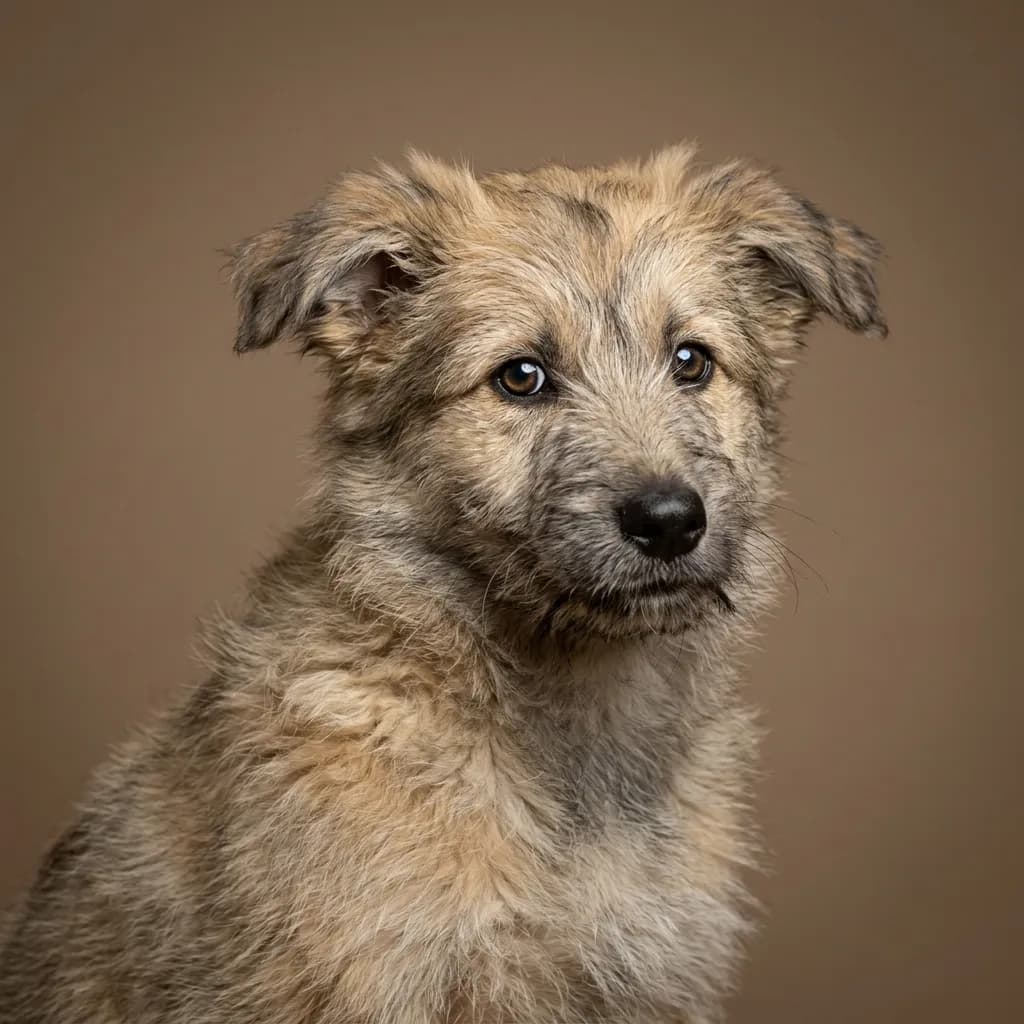
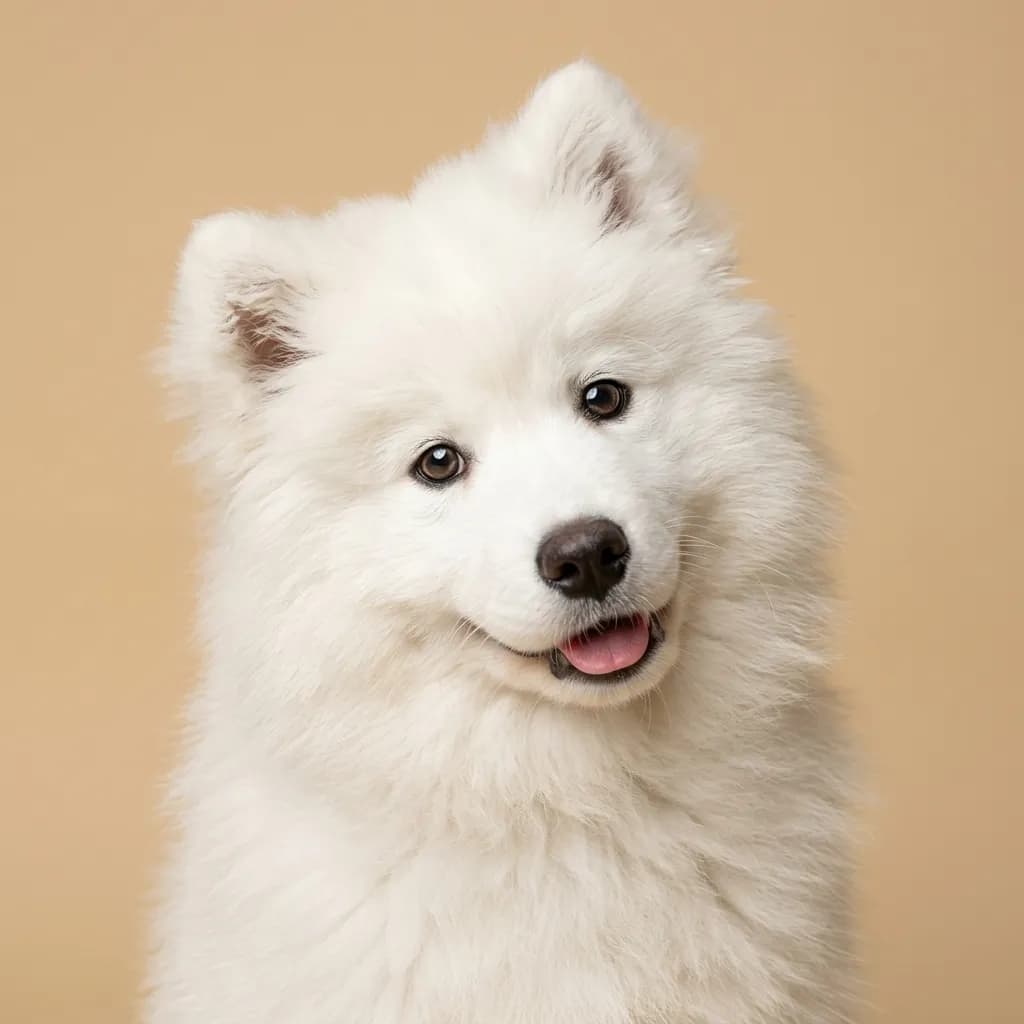
You don’t see a Pyrenean Shepherd and a Samoyed side by side at the dog park every day, but people compare them because both are fluffy, energetic, and look like they belong in a fairy tale. One’s a wiry, lightning-fast herder from the French mountains; the other’s a snowproof, smiling sled dog from Siberia. On paper, they seem like opposites, but both demand commitment—just in very different forms. The Pyrenean Shepherd is a lean, intense athlete built for speed and precision. If you’re into dog sports like agility or herding trials, this dog will live for it. They bond tightly, almost shadow you, and need constant mental work. Boredom turns them destructive. They’re not the best with small kids—not out of aggression, but because they’re too intense, too fast. You need experience to keep up, literally and mentally. The Samoyed, with that iconic grin and plush white coat, is a people magnet. They’re friendly with everyone, great with kids, and thrive in cold climates. But don’t be fooled by the sweetness—this dog barks. A lot. They’re social to a fault and hate being alone. And while they’re easier on families, the grooming is relentless. You’re brushing weekly, often more, and finding fur in your coffee. Here’s the thing most gloss over: both breeds are high-maintenance, just in different currencies. The Pyrenean Shepherd costs you time and training energy. The Samoyed costs you grooming hours and noise management. Pick the Pyrenean Shepherd if you want a driven partner in adventure. Choose the Samoyed if you want a joyful, social family guardian who looks like a cloud and barks like a watchdog. Either way, you’re signing up for love that’s loud, loyal, and impossible to ignore.
Trait-by-trait
Higher bar = more of that trait. Shedding, barking, drooling, grooming flipped for readability.Where they diverge
Choose the Pyrenean Shepherd if…
- Highly active owners
- Dog sports enthusiasts
- Herding enthusiasts
- You value drooling level — Pyrenean Shepherd scores noticeably higher.
Choose the Samoyed if…
- Active families
- Cold climate households
- Dog sports enthusiasts
- You value good with young children — Samoyed scores higher here.