Romanian Mioritic Shepherd Dog vs Samoyed
Side-by-side comparison across all 14 AKC trait ratings, with a clear verdict on which breed fits which kind of household.
Not sure which breed fits your life?
Answer five questions about your home, your schedule, and your tolerance for shedding. We’ll match you to your top three breeds from over 200.
Romanian Mioritic Shepherd Dog vs Samoyed
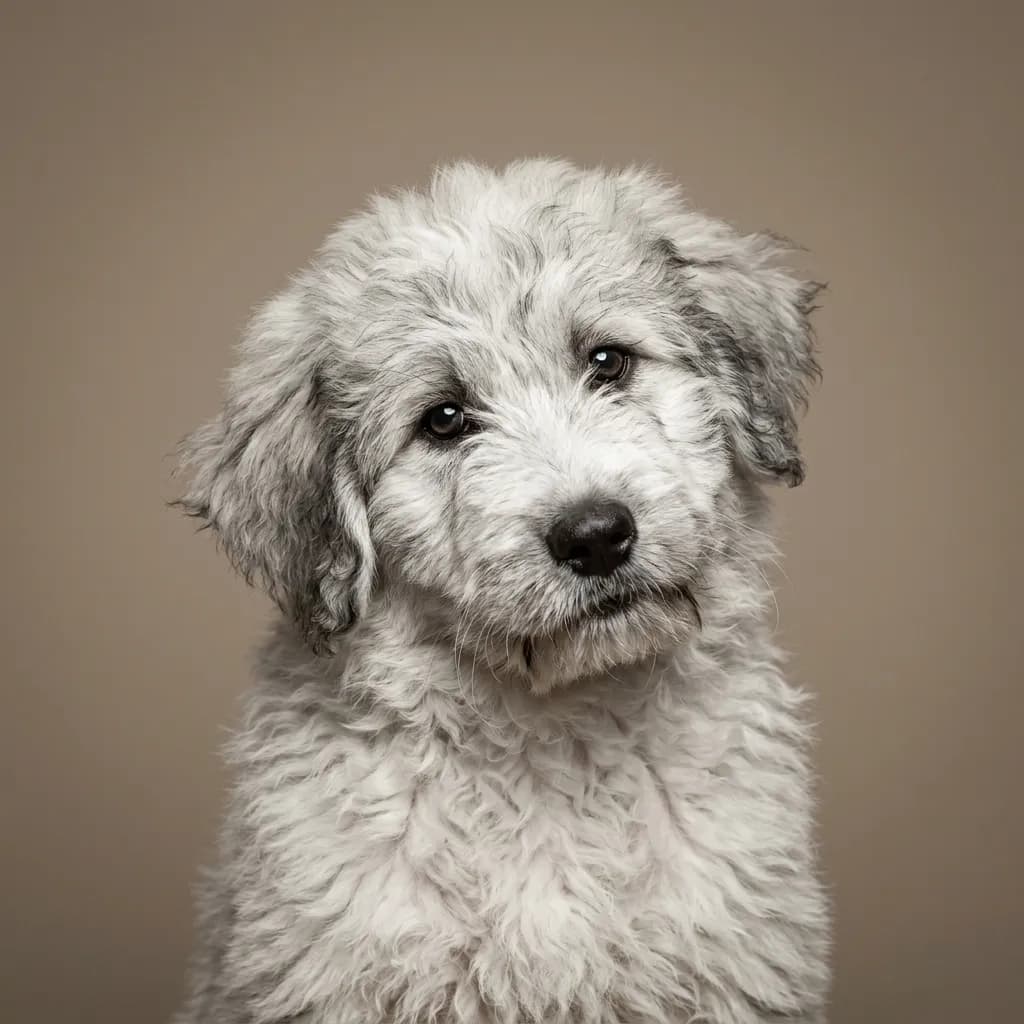
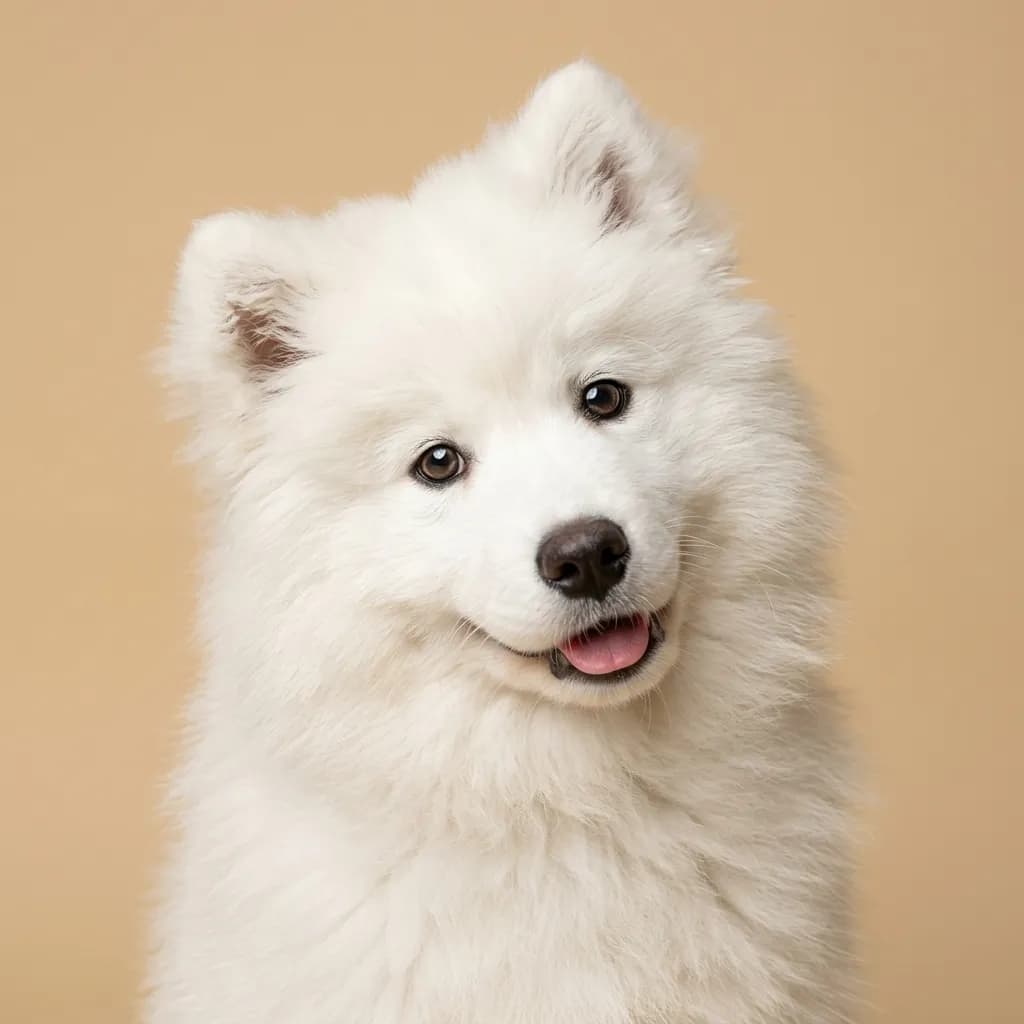
You don’t see a Romanian Mioritic Shepherd and a Samoyed side by side at dog parks—these breeds live in totally different worlds. But people compare them when they’re drawn to big, white, fluffy dogs that look like they belong in a fairy tale. That’s where the similarity ends. One’s a gentle, barking snowball that wants to hug everyone. The other’s a quiet mountain guardian built like a fridge, who’ll size up strangers without blinking. If you’re picturing weekend hikes and family cuddles on the couch, the Samoyed fits right in—especially if you live somewhere cold and don’t mind brushing dog hair out of everything, including your coffee. They thrive on interaction, need mental work, and will bark to announce the mailman, a leaf falling, or their own shadow. They’re trainable, social, and full of charm. But they’re high-maintenance in ways that surprise first-time owners: the grooming, the noise, the need for company. The Mioritic? This dog isn’t a family accessory. It’s a working breed with a job in its DNA—guarding livestock in the Carpathians. Calm and deeply loyal, yes, but independent to a fault. You don’t train it so much as earn its cooperation. It’s not for city living or anyone who wants a portable companion. It’s for someone with land, experience, and a need for a calm, imposing presence. Here’s the real insight: the Samoyed wants to be part of your life. The Mioritic will tolerate your presence as long as you respect its space. Pick based on who you are—not just which dog looks prettier in a photo.
Trait-by-trait
Higher bar = more of that trait. Shedding, barking, drooling, grooming flipped for readability.Where they diverge
Choose the Romanian Mioritic Shepherd Dog if…
- Experienced large-breed owners
- Farm or rural settings
- Livestock guardian needs
- You value drooling level — Romanian Mioritic Shepherd Dog scores noticeably higher.
Choose the Samoyed if…
- Active families
- Cold climate households
- Dog sports enthusiasts
- You value good with strangers — Samoyed scores higher here.