Russell Terrier vs Slovensky Cuvac
Side-by-side comparison across all 14 AKC trait ratings, with a clear verdict on which breed fits which kind of household.
Not sure which breed fits your life?
Answer five questions about your home, your schedule, and your tolerance for shedding. We’ll match you to your top three breeds from over 200.
Russell Terrier vs Slovensky Cuvac
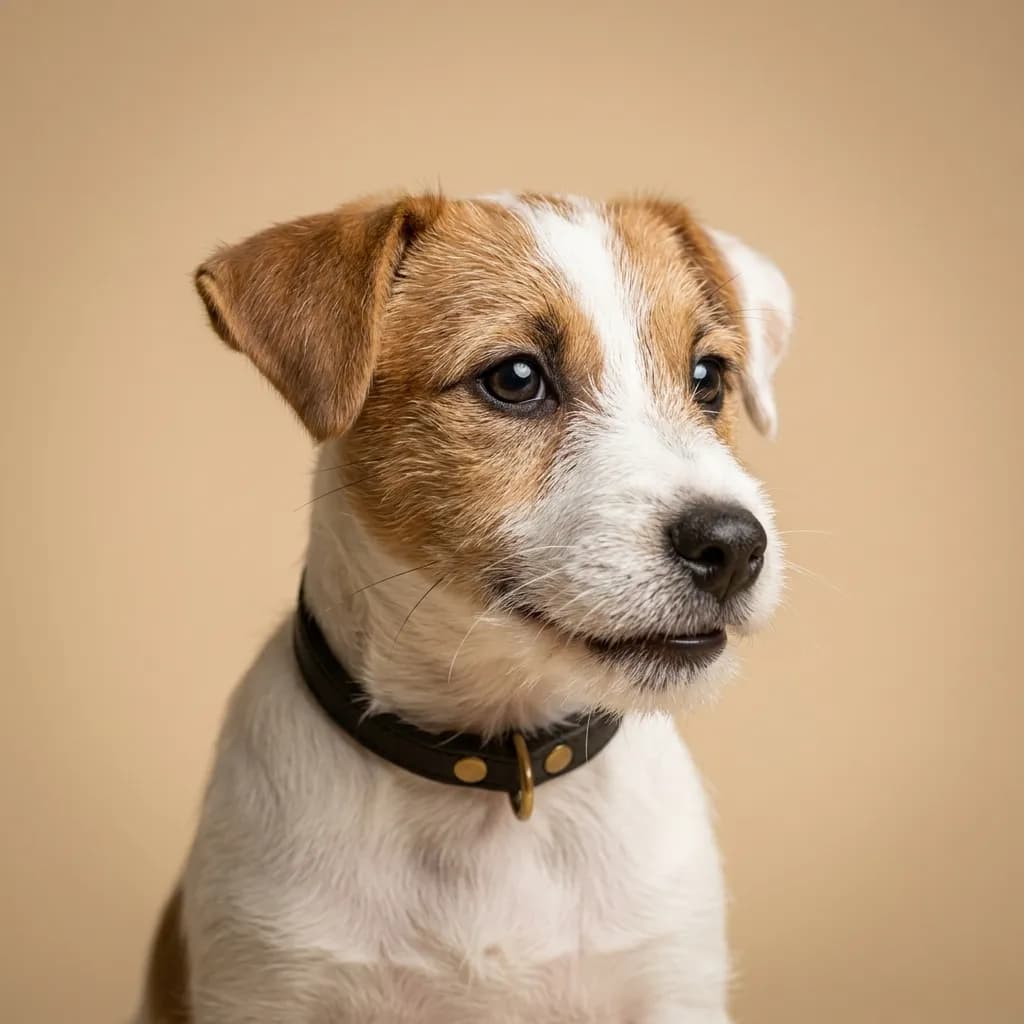
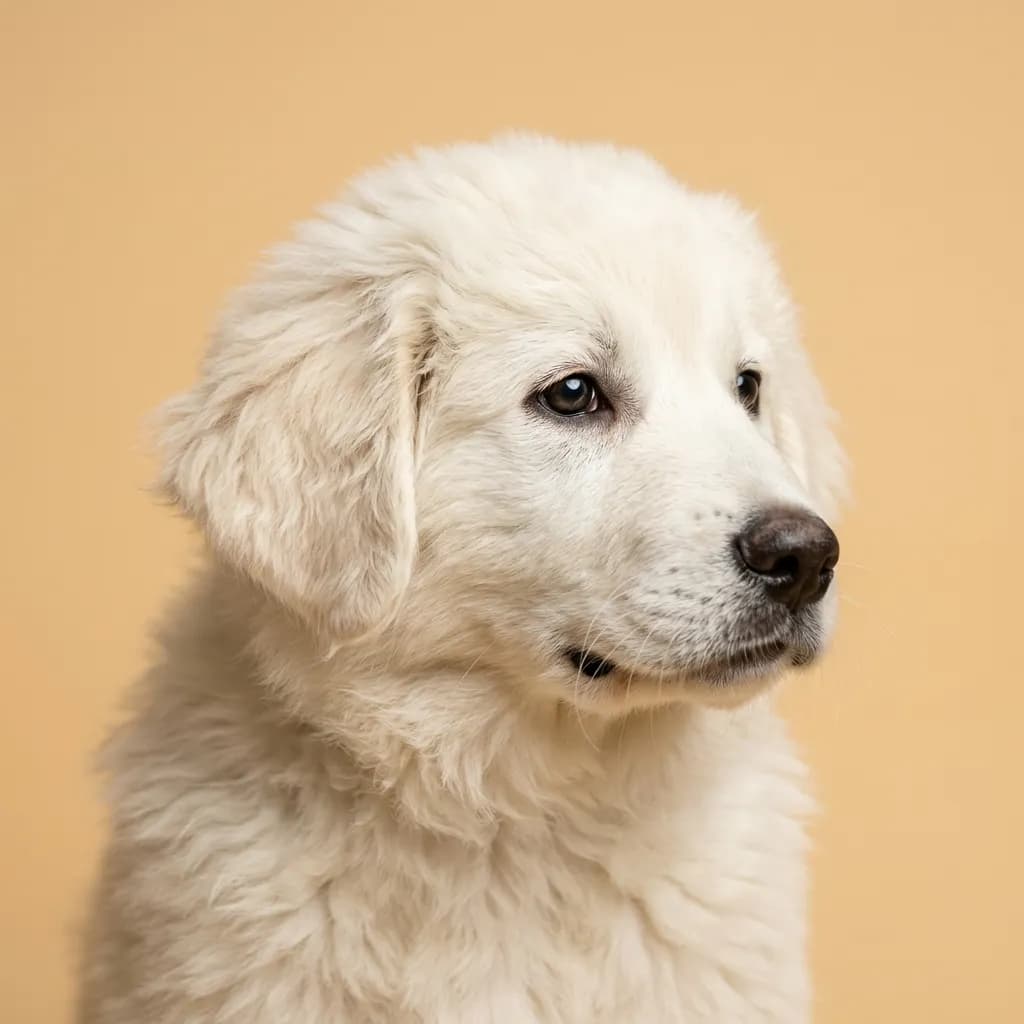
You’re probably not comparing a Russell Terrier and a Slovensky Cuvac because you’re torn between them at the pet store. You’re doing it because you’re trying to solve a problem—maybe you want a dog for protection, or you’re fascinated by rare breeds, or you’re drawn to extremes. These two couldn’t be more different, but they’re both white, both alert, and both come from working lines. That’s likely where the surface-level comparison starts and ends. The Russell Terrier is a firecracker in a 12-pound frame. Bred to dive into fox dens, it’s got endless energy, boldness, and a mind that’s always working. You’ll need to outthink it daily—this isn’t a dog that settles on the couch without serious conditioning. It’s affectionate with its people, yes, but it’s not a lapdog. And if you’ve got a cat or a hamster? Forget it. This dog sees movement and wants to chase. The Slovensky Cuvac is the opposite kind of guardian. A massive, white, fluffy mountain dog built for cold climates and solitude, it’s calm, observant, and deeply loyal. It won’t bark at every squirrel, but it will notice every change in its environment. It’s not hyperactive, but it needs space—physical and mental—to fulfill its instinct to patrol and protect. Pick the Russell if you’re active, experienced with terriers, and want a tiny dynamo for agility or hiking. Pick the Cuvac if you’ve got land, need a property guardian, and live somewhere cold. Here’s the real insight: the Russell Terrier demands your time, but the Cuvac demands your lifestyle. You adjust your routine for the Russell. You rebuild your life around the Cuvac.
Trait-by-trait
Higher bar = more of that trait. Shedding, barking, drooling, grooming flipped for readability.Where they diverge
Choose the Russell Terrier if…
- Active owners
- Dog sports enthusiasts
- Families with older children
- You value good with strangers — Russell Terrier scores noticeably higher.
Choose the Slovensky Cuvac if…
- experienced large-breed owners
- farms and large properties
- cold climates
- You value drooling level — Slovensky Cuvac scores higher here.