Russian Tsvetnaya Bolonka vs Shiba Inu
Side-by-side comparison across all 14 AKC trait ratings, with a clear verdict on which breed fits which kind of household.
Not sure which breed fits your life?
Answer five questions about your home, your schedule, and your tolerance for shedding. We’ll match you to your top three breeds from over 200.
Russian Tsvetnaya Bolonka vs Shiba Inu
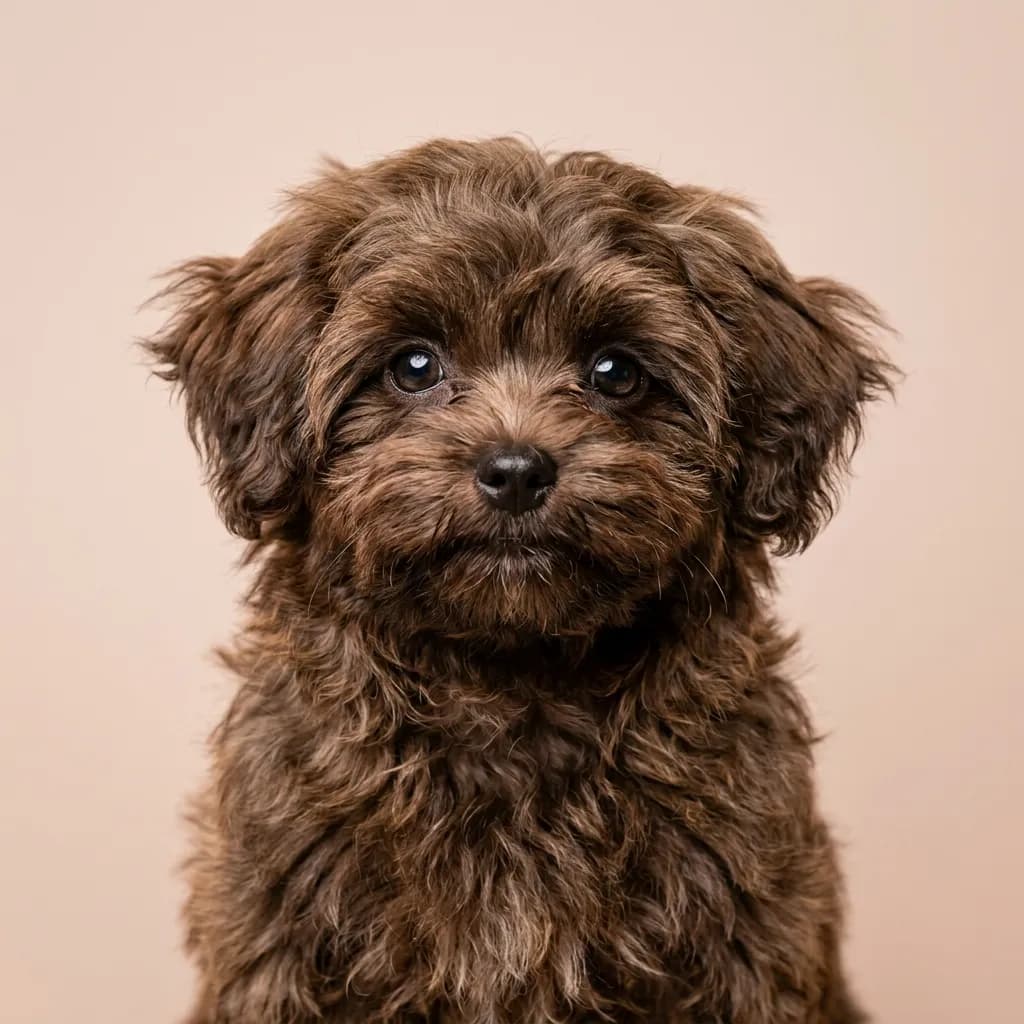
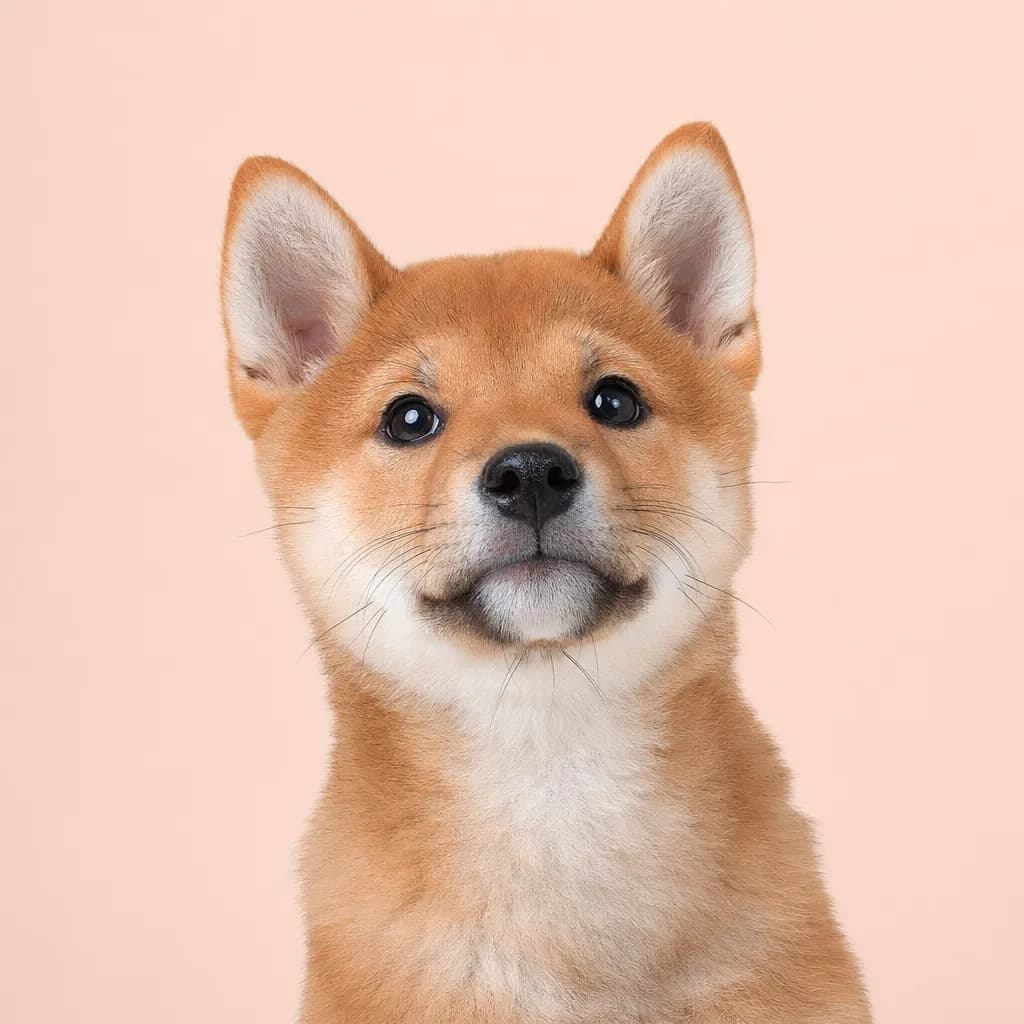
You’d never mistake one for the other, but people compare the Russian Tsvetnaya Bolonka and the Shiba Inu for the same reason: they’re both small, sturdy, and look like they stepped out of a fairy tale. One’s a fluffy lapdog with a teasing glint in its eye; the other’s a fox-faced survivor built like a tank. But that’s where the similarities end. The Bolonka is the dog who’ll follow you to the bathroom, curl up on your lap during dinner, and sing along when you hum a tune. She’s bred to charm, and she does it relentlessly. She’s quiet on the leash, easy to train, and doesn’t shed much—making her a favorite for apartment dwellers and allergy sufferers. But don’t be fooled by her softness. She bonds hard and doesn’t do well alone. Leave her for eight hours straight, and you’ll come home to a sad-eyed drama queen. The Shiba? He’s the one eyeing you from the back porch like he owns the place. Independent, clean, and stubborn as hell. He’ll lick you one day and ignore you the next. He’s not mean, but he’s not eager to please. He’ll chase a squirrel into traffic if you let him, so a secure yard isn’t optional—it’s mandatory. And while he grooms himself like a cat, he blows coat twice a year like a snowstorm. So who chooses which? If you want a velcro dog who thrives on togetherness and don’t mind some grooming upkeep, the Bolonka’s your girl. If you want a self-possessed companion with wild ancestry and respect boundaries, go Shiba. Here’s the truth no breeder will lead with: the Bolonka needs someone home. The Shiba doesn’t care if you’re gone. Pick based on who you are, not who you wish you were.
Trait-by-trait
Higher bar = more of that trait. Shedding, barking, drooling, grooming flipped for readability.Where they diverge
Choose the Russian Tsvetnaya Bolonka if…
- Apartment living
- Seniors
- Families with gentle children
- You value playfulness — Russian Tsvetnaya Bolonka scores noticeably higher.
Choose the Shiba Inu if…
- Experienced dog owners
- Those wanting a cat-like independence
- Active owners
- You value shedding level — Shiba Inu scores higher here.