Saluki vs Samoyed
Side-by-side comparison across all 14 AKC trait ratings, with a clear verdict on which breed fits which kind of household.
Not sure which breed fits your life?
Answer five questions about your home, your schedule, and your tolerance for shedding. We’ll match you to your top three breeds from over 200.
Saluki vs Samoyed
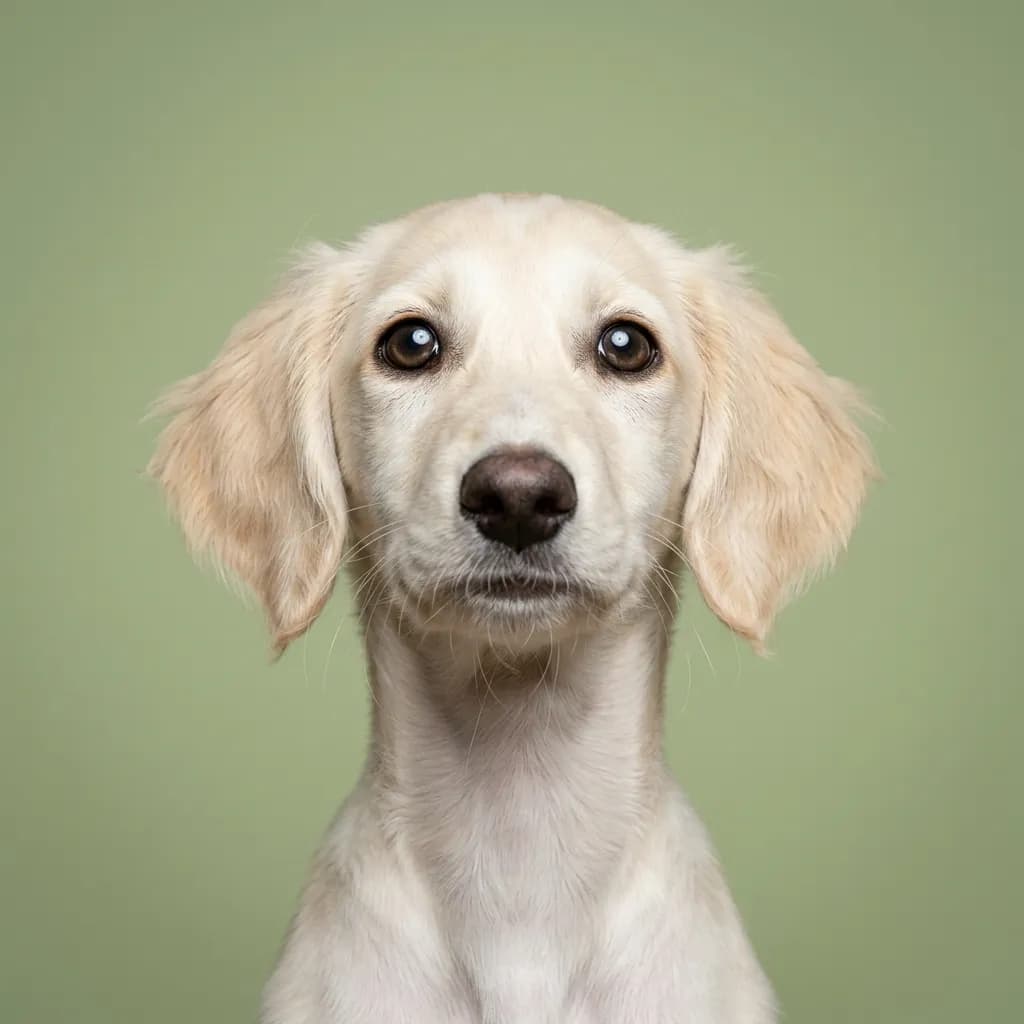
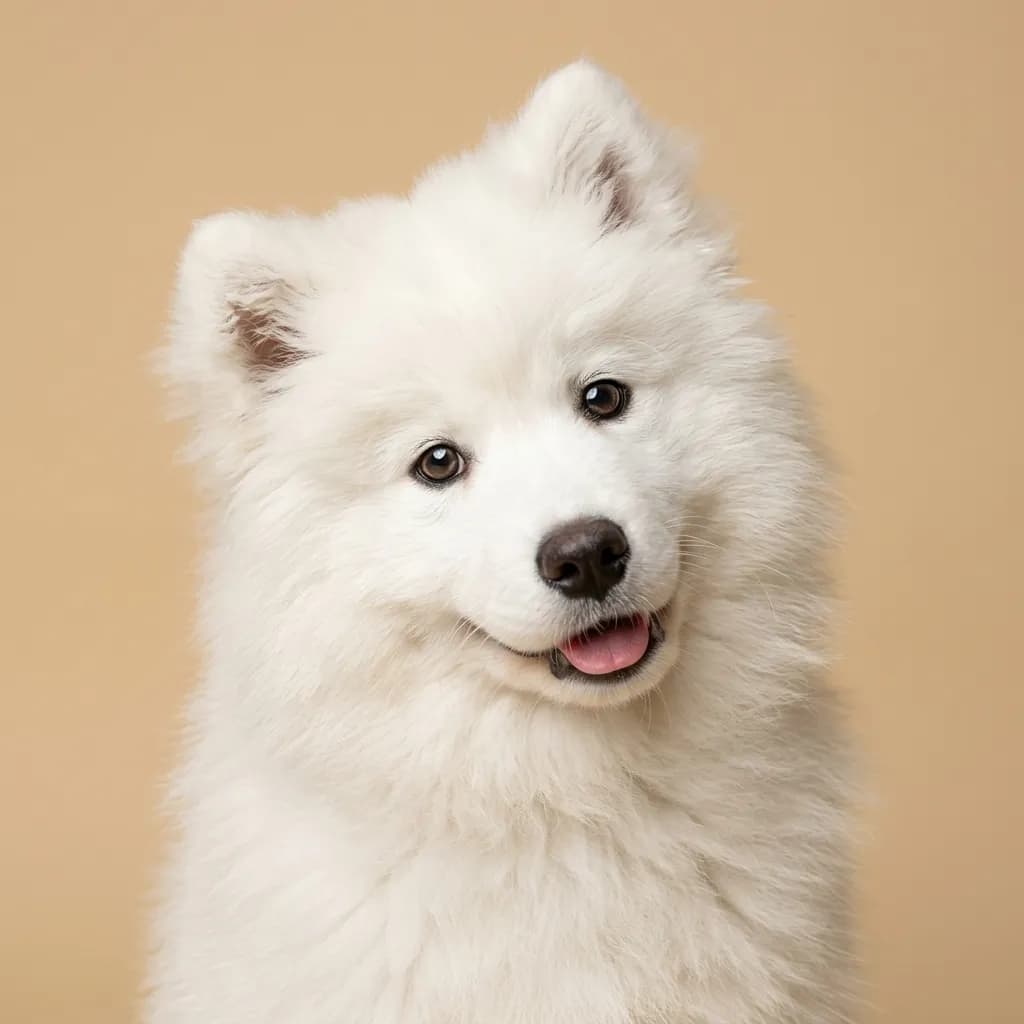
People compare Salukis and Samoyeds because both are striking, elegant dogs with that “wow” factor in appearance and a loyal, affectionate core. But beneath the surface, they’re built for entirely different lives and lifestyles. The Saluki is a desert ghost, slender and lightning-fast, bred to chase down gazelle across open terrain. You’ll find quiet dignity in their gaze and a deep independence in their spirit. They’re not the type to follow you room to room. Instead, they’ll curl up nearby, observant and serene, then explode into motion the second they spot a squirrel. They need space to run—safely fenced, always—or they’ll follow instinct and disappear. Training requires patience, not because they’re stubborn exactly, but because they think first. They’re quiet dogs, low shedders, and deeply sensitive to anesthesia and stress. The Samoyed, in contrast, is a smiling snow cloud of a dog, bred to work closely with people in brutal cold. They thrive on interaction, pull you into their world with goofy grins, and want to be part of everything. They bark—often, and with purpose—and shed heavily, especially in warm months. Grooming is non-negotiable. But they’re more adaptable to family life, great with kids, and eager to please, excelling in dog sports if you’re up for it. Choose a Saluki if you want a graceful, quiet companion who runs like the wind but respects your space. Pick a Samoyed if you want a social, outgoing family dog who’ll greet each day like a celebration. Here’s the real talk: the Saluki may look regal and distant, but their quiet loyalty runs deep. And the Samoyed’s smile? It’s not just for show—they’ll steal your heart, your couch, and probably your socks.
Trait-by-trait
Higher bar = more of that trait. Shedding, barking, drooling, grooming flipped for readability.Where they diverge
Choose the Saluki if…
- Active owners with running space
- Experienced sighthound owners
- Those wanting an elegant, quiet breed
- You value mental stimulation needs — Saluki scores noticeably higher.
Choose the Samoyed if…
- Active families
- Cold climate households
- Dog sports enthusiasts
- You value watchdog / protective — Samoyed scores higher here.