Samoyed vs Soft Coated Wheaten Terrier
Side-by-side comparison across all 14 AKC trait ratings, with a clear verdict on which breed fits which kind of household.

Not sure which breed fits your life?
Answer five questions about your home, your schedule, and your tolerance for shedding. We’ll match you to your top three breeds from over 200.
Samoyed vs Soft Coated Wheaten Terrier
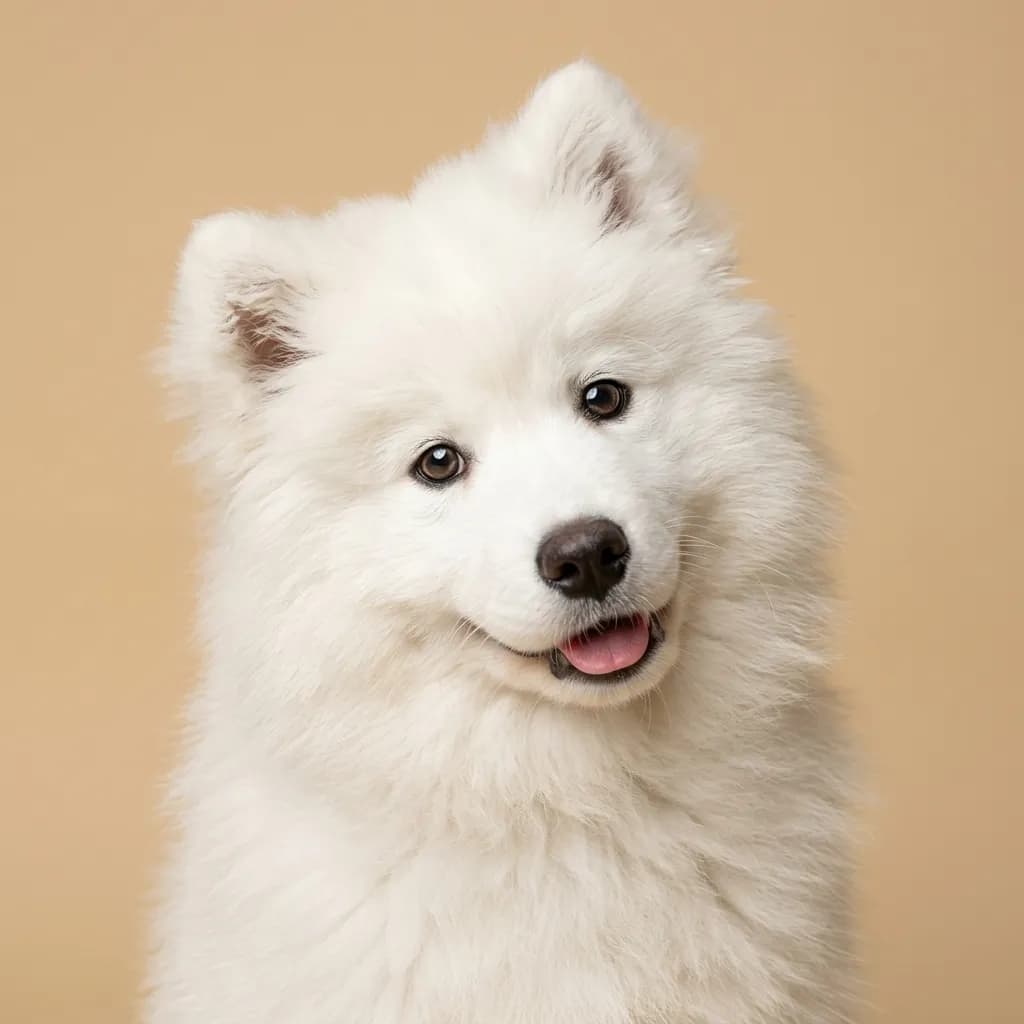
You’re probably looking at these two because they’re both medium-sized, goofy, fluffy family dogs with smiles that make you melt. And yeah, they do share that joyful energy and love for kids. But behind the fluff and grins, they’re built for totally different worlds. The Samoyed is a snowman come to life, bred to haul gear across frozen tundras and herd reindeer in Siberia. You’ll feel that heritage in their need for cold air and daily adventure. They’re louder—barking isn’t just occasional, it’s part of their personality. If you live in Arizona or hate hearing dog opinions, this won’t work. But if you’re up early for hikes or into dog sports like sledding or agility, they’re right at home. They shed seasonally, but that thick double coat needs serious upkeep year-round. The Wheaten? He’s the Irish farmhand who did it all—chased rats, guarded the yard, and then curled up with the kids. Less bark, way less shed (almost hypoallergenic), but that silky coat mats if you blink wrong. They’re easier on the ears and better in warmer zones, but don’t mistake their charm for ease. Wearing a terrier badge, they’ve got a stubborn streak that makes training a test of patience. Pick the Samoyed if you want a loyal, vocal partner in an active, cold-weather life. Choose the Wheaten if you’ve got allergies, want quieter days, and don’t mind a dog with a mind of his own. Here’s the real talk: both look like low-maintenance fluff balls in photos. They’re not. You’re signing up for brushing sessions like weekly appointments. Skip the vacuum; just accept the dog hair as your new home decor.
Trait-by-trait
Higher bar = more of that trait. Shedding, barking, drooling, grooming flipped for readability.Where they diverge
Choose the Samoyed if…
- Active families
- Cold climate households
- Dog sports enthusiasts
- You value shedding level — Samoyed scores noticeably higher.
Choose the Soft Coated Wheaten Terrier if…
- Active families
- Allergy sufferers
- Families with children
- You value coat grooming — Soft Coated Wheaten Terrier scores higher here.