Samoyed vs Spanish Mastiff
Side-by-side comparison across all 14 AKC trait ratings, with a clear verdict on which breed fits which kind of household.

Not sure which breed fits your life?
Answer five questions about your home, your schedule, and your tolerance for shedding. We’ll match you to your top three breeds from over 200.
Samoyed vs Spanish Mastiff
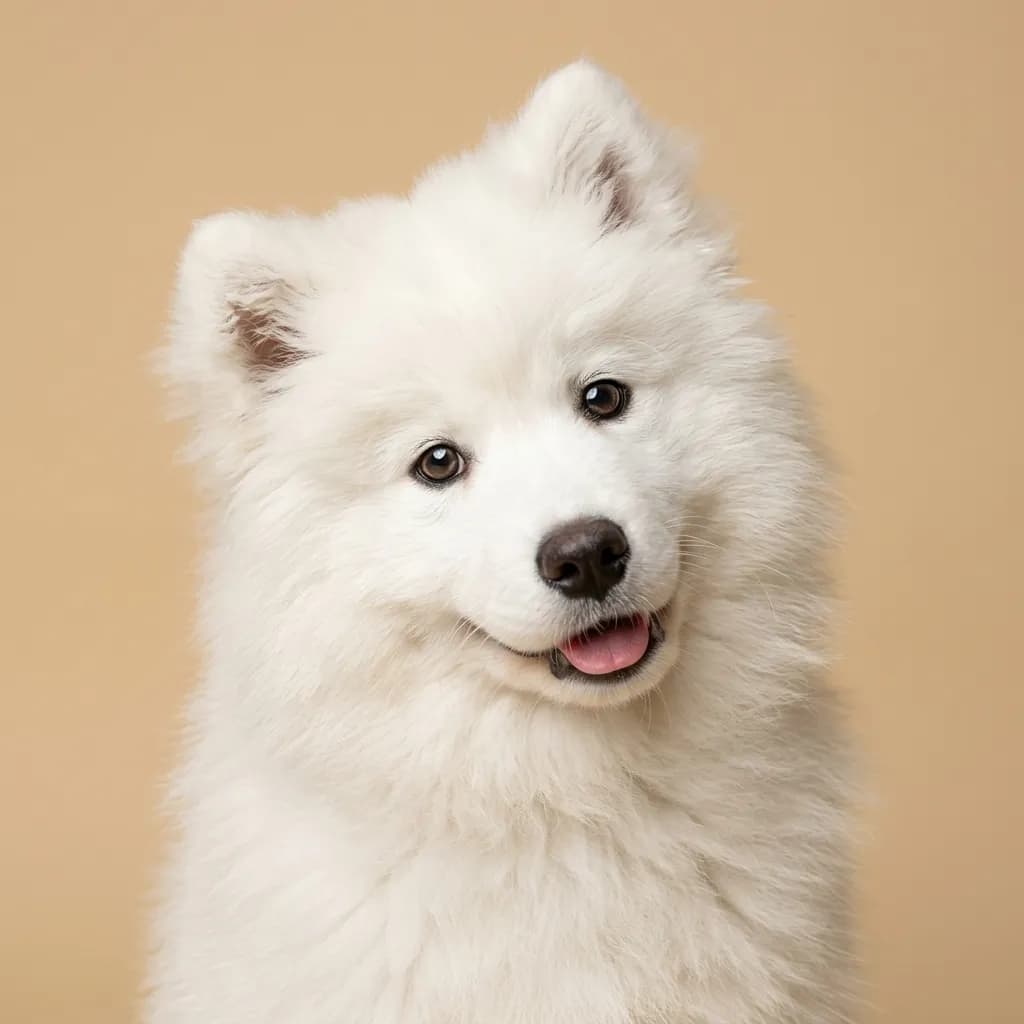
People don’t usually compare a Samoyed and a Spanish Mastiff unless they’re deep in the dog world and realizing both are rare, white-coated guardians with ancient roots. But that’s where the surface similarities end. One was built for Arctic survival and constant motion; the other, for standing like a mountain between wolves and sheep in the Spanish highlands. If you’re picturing weekend hikes, neighborhood strolls with kids in tow, and a dog that greets everyone like a long-lost cousin, the Samoyed fits that life. They’re bouncy, chatty, and thrive on interaction. You’ll spend time brushing that plush coat weekly, and yes, the “Sammy scream” is real — they’re not quiet about anything. But they adapt well to suburban homes, as long as you live somewhere that doesn’t hit 90 degrees in July. The Spanish Mastiff? This isn’t a neighborhood mascot. At 150+ pounds, it’s a working fortress. Calm to the point of stillness, they’re not out for walks — they’re on patrol. Bred to make independent decisions when predators approached a flock, they’re not eager to please in the way a Samoyed is. Training takes patience, space matters enormously, and you’d better have a yard that borders open land, not a sidewalk. They’re affectionate with their family, but reserved to the point of aloofness with strangers. Here’s the real difference beyond size and climate: the Samoyed wants to join your life. The Spanish Mastiff will let you join theirs. Choose the Samoyed if you want a joyful, engaged companion. Choose the Mastiff only if you need a guardian first, and a pet second — and you’re ready for the responsibility of a giant, both physically and emotionally.
Trait-by-trait
Higher bar = more of that trait. Shedding, barking, drooling, grooming flipped for readability.Where they diverge
Choose the Samoyed if…
- Active families
- Cold climate households
- Dog sports enthusiasts
- You value barking level — Samoyed scores noticeably higher.
Choose the Spanish Mastiff if…
- Experienced large-breed owners
- Farm or rural settings
- Livestock guardian needs
- You value drooling level — Spanish Mastiff scores higher here.