Samoyed vs Sussex Spaniel
Side-by-side comparison across all 14 AKC trait ratings, with a clear verdict on which breed fits which kind of household.

Not sure which breed fits your life?
Answer five questions about your home, your schedule, and your tolerance for shedding. We’ll match you to your top three breeds from over 200.
Samoyed vs Sussex Spaniel
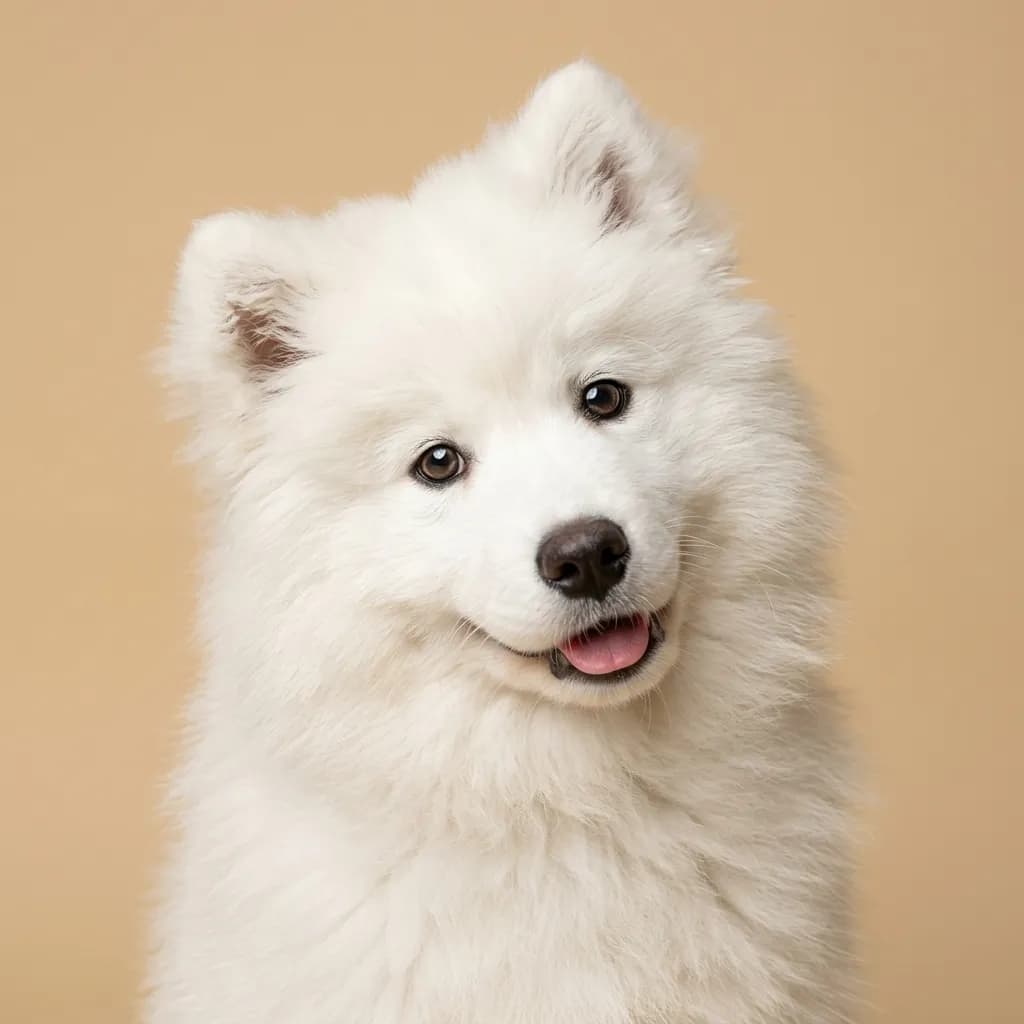
You don’t see a Samoyed and a Sussex Spaniel side by side every day, but people end up comparing them when they’re after a loyal, medium-sized dog with a friendly face and a gentle heart. They’re both affectionate, both shed, both cost more than your average rescue—and both have that “smile” that pulls you in. But that’s where the similarities melt away. The Samoyed is a beam of Arctic sunlight. Bred to work in brutal cold, this dog thrives on activity, snow, and attention. You’ll hear them before you see them—Samoyeds bark. A lot. They’re not guard dogs, but they’ll announce the mailman, a falling leaf, or their own shadow. If you’re active, live up north, and want a dog that feels like part of the family circus, they’re magic. But you’ll brush them daily, and yes, you’ll learn to love dog hair in your coffee. The Sussex Spaniel is the deep-woods hum of a fall morning. Low to the ground, with a golden liver coat and a deliberate waddle, they’re built for pushing through thick brush, not sprinting through dog parks. Calmer, quieter, and more deliberate, they bond closely but don’t demand constant action. They’re better for families who want a sturdy, sweet dog that won’t wear out the kids—or the adults. Here’s the real difference: the Samoyed needs a job, even if it’s just hiking or obedience tricks. The Sussex? They’re happy just being with you, slowly. If you’re sedentary, the Sussex might suit—but watch their weight. If you’re energetic but live in a hot climate, think twice about the Samoyed. Their coat isn’t just for show—it’s insulation. And one honest truth? The Samoyed’s smile is famous, but the Sussex’s quiet, goofy loyalty? That’s the underdog charm that grows on you like moss on stone.
Trait-by-trait
Higher bar = more of that trait. Shedding, barking, drooling, grooming flipped for readability.Where they diverge
Choose the Samoyed if…
- Active families
- Cold climate households
- Dog sports enthusiasts
- You value good with young children — Samoyed scores noticeably higher.
Choose the Sussex Spaniel if…
- Moderately active owners
- Hunters in dense cover
- Families with children
- You value drooling level — Sussex Spaniel scores higher here.