Samoyed vs Transylvanian Hound
Side-by-side comparison across all 14 AKC trait ratings, with a clear verdict on which breed fits which kind of household.

Not sure which breed fits your life?
Answer five questions about your home, your schedule, and your tolerance for shedding. We’ll match you to your top three breeds from over 200.
Samoyed vs Transylvanian Hound
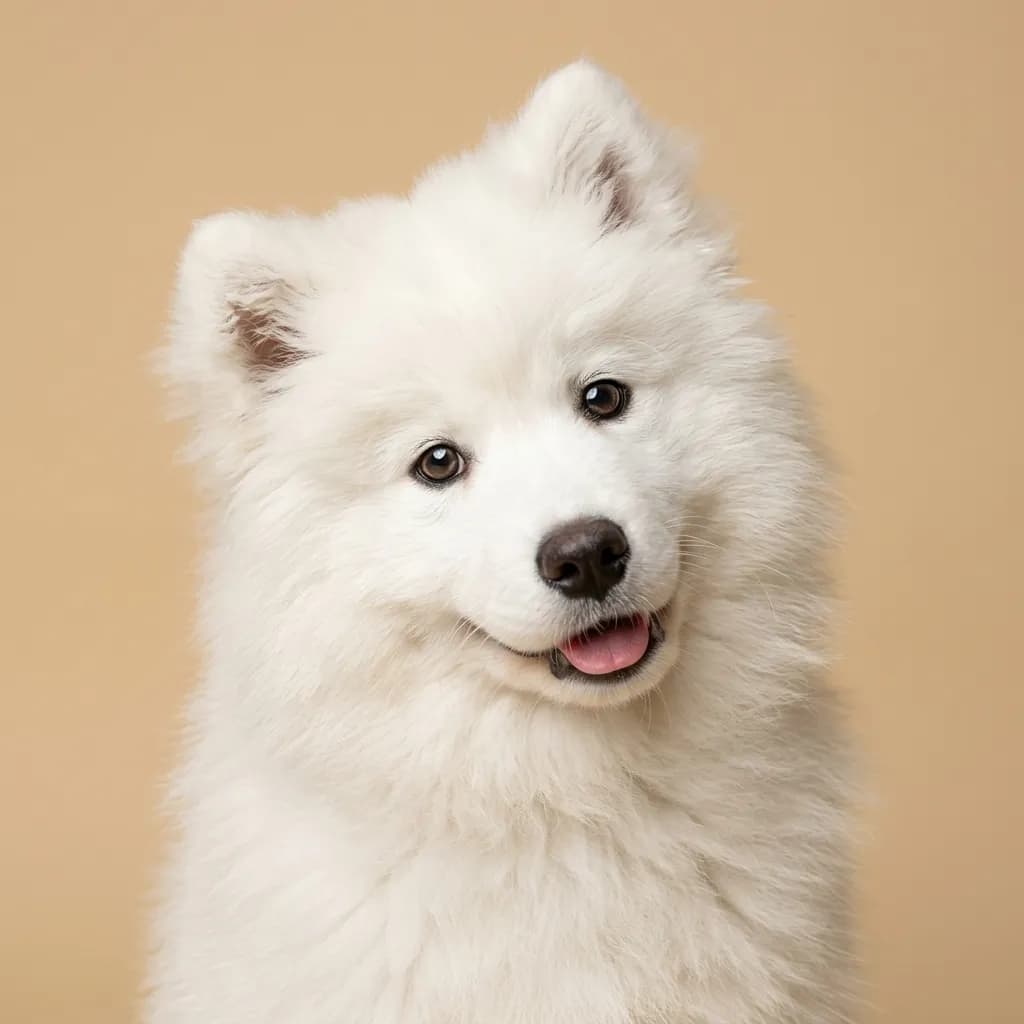
You probably landed here because you’re drawn to the fluffy white smile of a Samoyed or the striking tricolor of a Transylvanian Hound, and now you’re wondering—can these wildly different dogs actually be compared? The truth is, people stack them up when they’re after a loyal, family-friendly dog with some serious outdoor chops. But that’s where the similarity ends. The Samoyed is the social butterfly with a permanent grin. Bred to work alongside people in freezing Siberian winters, it thrives on companionship. You’ll get a dog that wants to be involved in everything, from hiking to homework. It bonds deeply with kids, loves cold weather, and will greet your neighbors—loudly. That 5/5 barking score? It’s not a typo. This dog has opinions. The Transylvanian Hound, on the other hand, is a quiet storm. Built for tracking game through dense forests, it’s more independent, focused, and physically driven. It’s still great with families but needs space and purpose. You can’t just take this dog to the park and call it a day. It wants to work, whether that’s trailing scents or covering miles in the woods. If you live in a hot climate or want a quiet, low-maintenance pup, skip both—but the Samoyed will be harder to manage in heat. The Transylvanian Hound is rarer and needs an experienced hand; its determination can look like stubbornness if you don’t know how to guide it. Here’s the thing no chart tells you: the Samoyed will love you no matter what you do. The Transylvanian Hound wants to earn your respect—and once it does, it’s all in. Pick the Samoyed if you want constant friendship. Pick the Hound if you want a partner who challenges you back.
Trait-by-trait
Higher bar = more of that trait. Shedding, barking, drooling, grooming flipped for readability.Where they diverge
Choose the Samoyed if…
- Active families
- Cold climate households
- Dog sports enthusiasts
- You value affectionate w/ family — Samoyed scores noticeably higher.
Choose the Transylvanian Hound if…
- Active families
- Experienced dog owners
- Rural or suburban living
- You value good with other dogs — Transylvanian Hound scores higher here.