Samoyed vs Vizsla
Side-by-side comparison across all 14 AKC trait ratings, with a clear verdict on which breed fits which kind of household.

Not sure which breed fits your life?
Answer five questions about your home, your schedule, and your tolerance for shedding. We’ll match you to your top three breeds from over 200.
Samoyed vs Vizsla
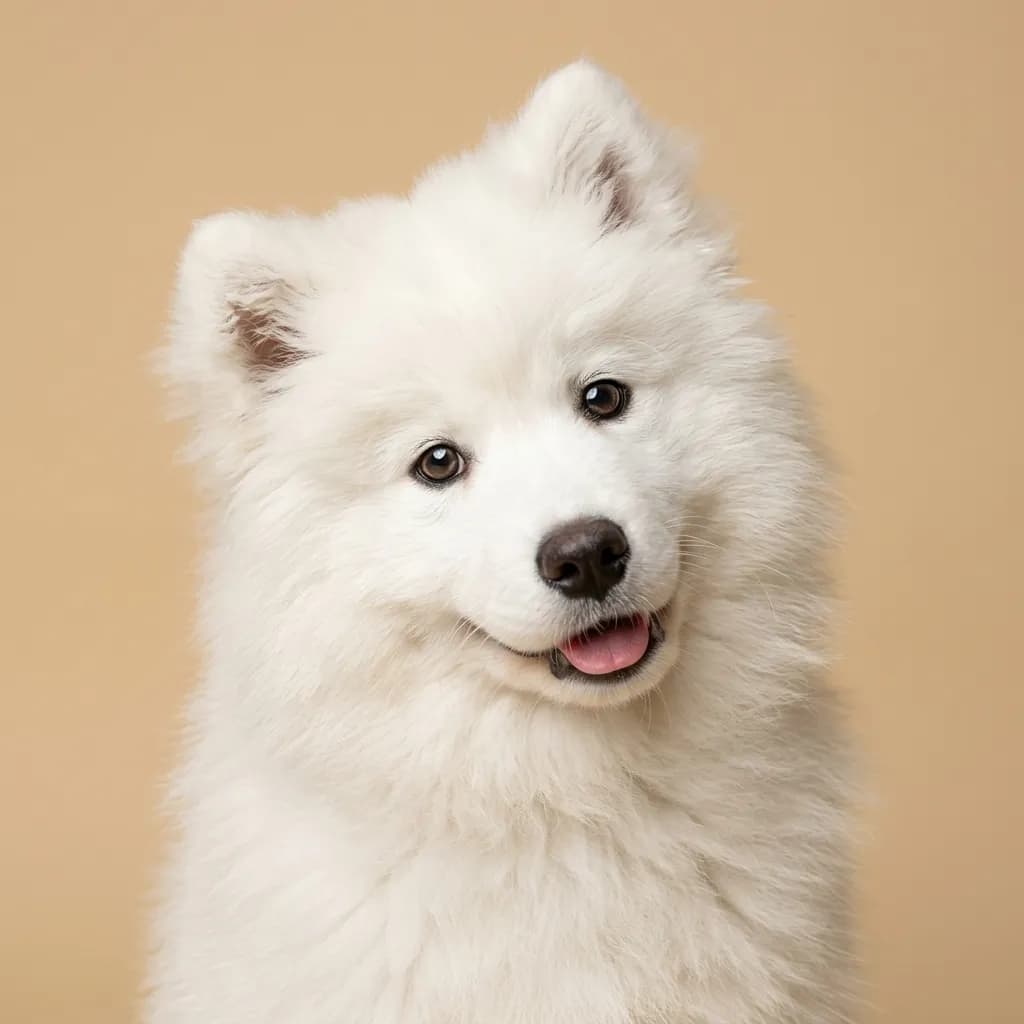
People compare Samoyeds and Vizslas because they’re both medium to large, family-friendly dogs with boundless energy and a love for people. On paper, they seem like two sides of the same active, affectionate coin. But living with one versus the other? That’s where the story splits. The Samoyed will greet you with a grin that could power a small city, even at 6 a.m. in a blizzard. This is a dog built for Arctic winds, with a thick, insulating double coat that sheds seasonally and demands grooming. If you live where it snows and you’re okay with dog hair on everything, the Samoyed’s friendly, gentle nature makes it a joy with kids and strangers alike. But be warned: they’re barkers. They were bred to work independently with reindeer herders, and they will tell you about it. The Vizsla is the sleek, velour-bodied athlete who wants to run 10 miles before breakfast—then cuddle on the couch like a 50-pound lap dog. They’re more driven, more intense, and need serious daily exercise. But they’re quiet by comparison, with a soft bark and a need to be near you at all times. Leave a Vizsla alone too long and you’ll come home to shredded pillows. They’re not just active. They’re attached. If you want a dog that thrives in cold climates and doesn’t mind the spotlight (and the grooming), go Samoyed. If you’re an athlete or outdoorsy family who wants a deeply bonded, low-maintenance coat but high-exercise dog, the Vizsla’s your match. Here’s the real talk: the Vizsla’s need for companionship isn’t just preference—it’s emotional necessity. They suffer more from isolation than most breeds. The Samoyed is vocal and stubborn in their own way, but they’re more self-contained. Choose the Vizsla only if you’re ready for a four-legged shadow.
Trait-by-trait
Higher bar = more of that trait. Shedding, barking, drooling, grooming flipped for readability.Where they diverge
Choose the Samoyed if…
- Active families
- Cold climate households
- Dog sports enthusiasts
- You value barking level — Samoyed scores noticeably higher.
Choose the Vizsla if…
- Active families
- Runners and cyclists
- Hunters
- You value good with other dogs — Vizsla scores higher here.