Schipperke vs Swedish Lapphund
Side-by-side comparison across all 14 AKC trait ratings, with a clear verdict on which breed fits which kind of household.
Not sure which breed fits your life?
Answer five questions about your home, your schedule, and your tolerance for shedding. We’ll match you to your top three breeds from over 200.
Schipperke vs Swedish Lapphund
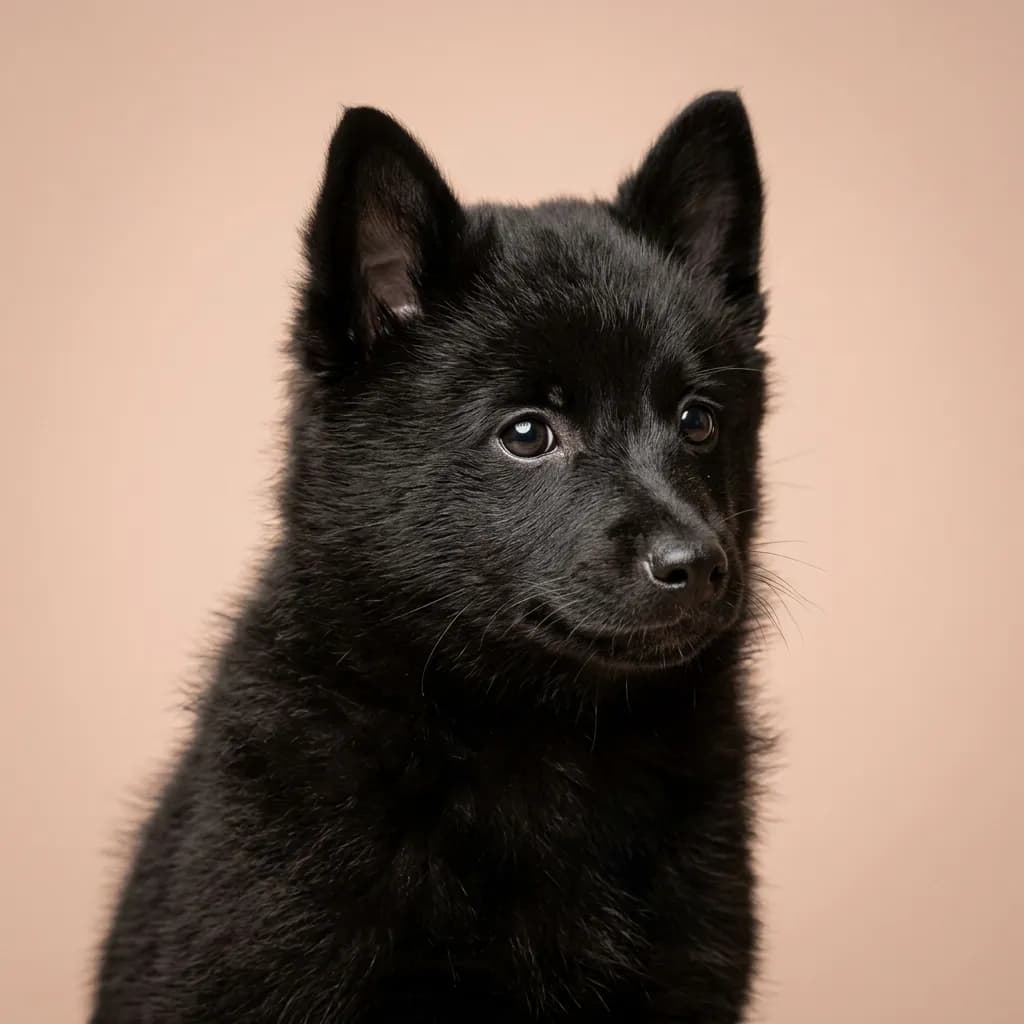
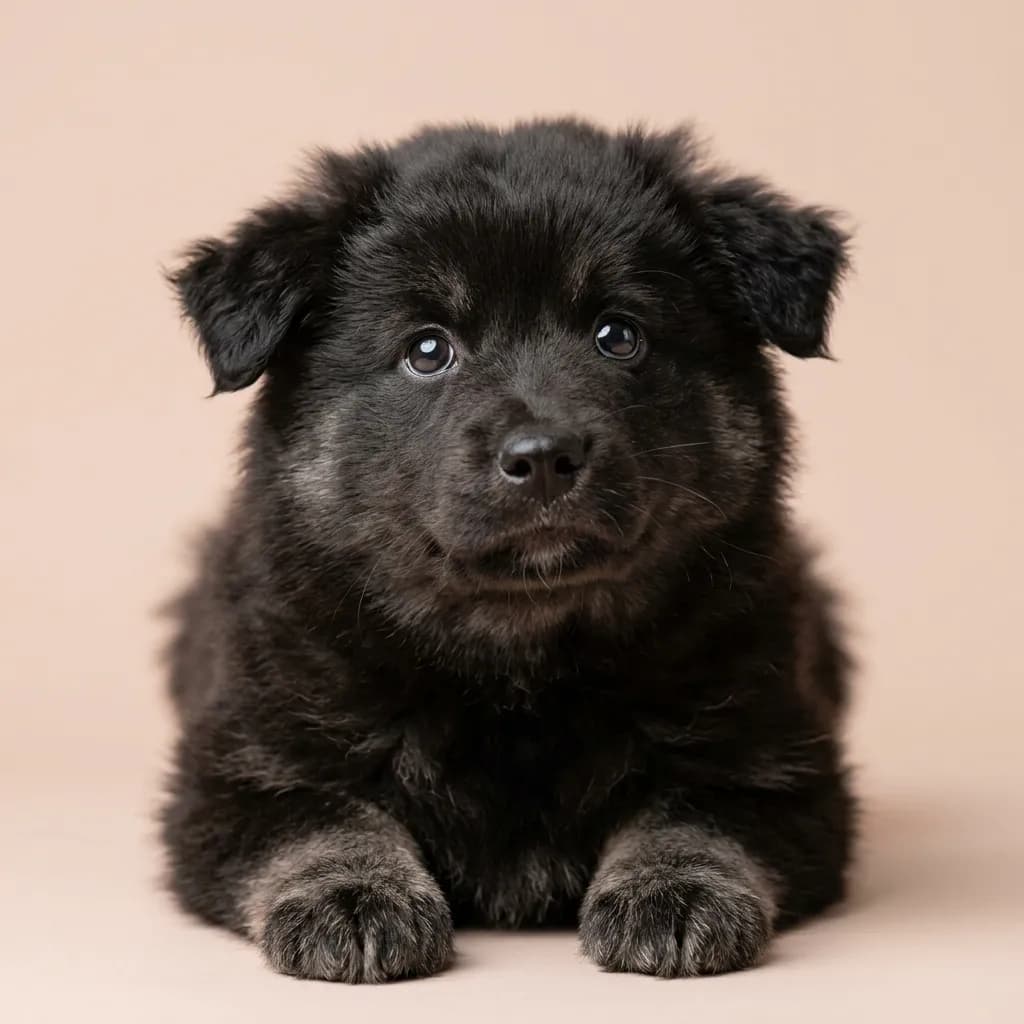
You don’t see a Schipperke and a Swedish Lapphund side by side at dog parks every day, but people compare them because both are rare, black, pointy-eared dogs with a fox-like spark. At first glance, they might look like distant cousins. They’re not. And if you’re choosing between them, you’re really choosing between a firecracker and a nordic expedition dog. The Schipperke is the tiny, fearless guardian of Belgian canals—bold, curious, and always on the move. He’s 13 pounds of opinion, barking at squirrels like they’ve declared war. He bonds deeply with his people and will follow you room to room, but he’s not always a fan of kids under 10 unless they’re calm and respectful. He’s clever and eager to please, but that curiosity can turn into mischief if he’s bored. The Swedish Lapphund is bigger, sturdier, built for Arctic winds and long days of work. He’s still affectionate and loves his family just as much, but he’s got a job-focused intensity. He thrives with activity—hiking, herding, agility—and needs space and climate to match. He’s not built for apartment life in Phoenix. Here’s the real difference: the Schipperke fits into your life like a feisty shadow. The Lapphund asks you to match his rhythm. If you’re active but live in the suburbs and want a small dog with big-dog attitude, go Schipperke. If you’re outdoorsy, love cold weather, and want a partner for adventures, the Lapphund is worth the search and the price. One thing no breeder brochure tells you: both bark. A lot. But the Schipperke barks because he has something to say. The Lapphund barks because he’s part of the conversation—and he expects you to listen.
Trait-by-trait
Higher bar = more of that trait. Shedding, barking, drooling, grooming flipped for readability.Where they diverge
Choose the Schipperke if…
- Active owners
- Those wanting a small but bold breed
- Suburban or rural settings
- You value watchdog / protective — Schipperke scores noticeably higher.
Choose the Swedish Lapphund if…
- Active families
- Cold climate households
- Dog sports enthusiasts
- You value drooling level — Swedish Lapphund scores higher here.