Scottish Deerhound vs Swedish Lapphund
Side-by-side comparison across all 14 AKC trait ratings, with a clear verdict on which breed fits which kind of household.
Not sure which breed fits your life?
Answer five questions about your home, your schedule, and your tolerance for shedding. We’ll match you to your top three breeds from over 200.
Scottish Deerhound vs Swedish Lapphund
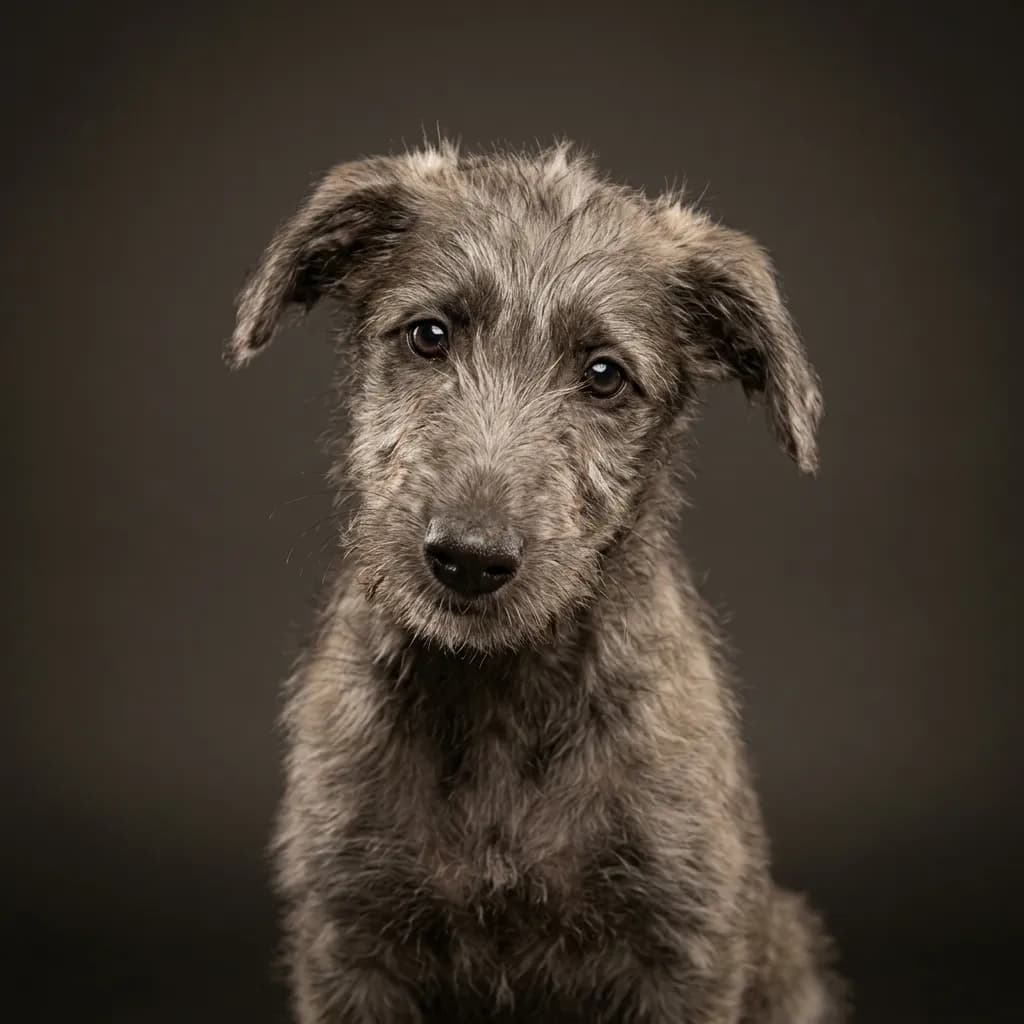
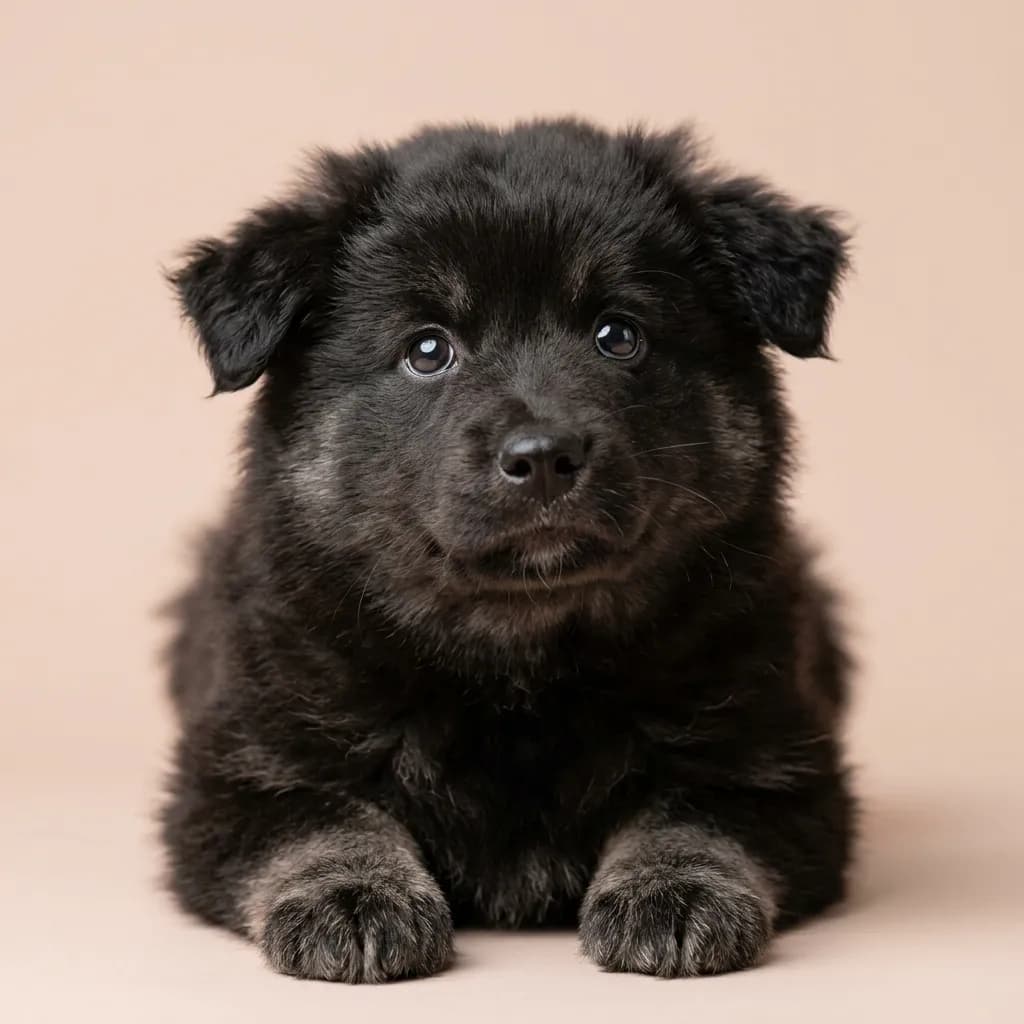
You don’t see Scottish Deerhounds and Swedish Lapphunds in the same conversation every day, but when you do, it’s usually someone charmed by Nordic or rustic dogs and trying to decide between a gentle giant and a lively little Nordic all-rounder. On paper, they share a love for cold weather, moderate shedding, and deep loyalty. But in real life? They’re worlds apart. The Deerhound is a quiet soul in a towering frame, built for sweeping across open moorland, not your city sidewalk. They’re calm indoors, almost monk-like in their dignity, but need space to stretch their legs safely. You’ll fall in love with their quiet devotion, but brace yourself—8 to 11 years isn’t long, and bloat or heart issues can come fast. They’re not demanding, but they’re fragile in ways that hurt. The Lapphund, in contrast, is a spark in a fluffy coat. Bred to work with reindeer, they’re sharp, vocal, and always tuned in. They’ll bark at squirrels, greet you like you’ve been gone for weeks, and thrive in agility or obedience. They adapt okay to smaller homes, but not to silence or stillness. If you live somewhere warm, they’ll struggle. If you hate barking, run. Pick the Deerhound if you want a serene, affectionate giant and can offer a safe yard and rural calm. Choose the Lapphund if you want a clever, energetic partner for adventures and don’t mind a little noise. Here’s what no chart tells you: the Deerhound will break your heart when they go too soon. The Lapphund? They’ll wear you out while filling your life with sound and motion. One steals quiet moments. The other fills every moment with life.
Trait-by-trait
Higher bar = more of that trait. Shedding, barking, drooling, grooming flipped for readability.Where they diverge
Choose the Scottish Deerhound if…
- Active owners with spacious homes
- Those wanting a gentle giant
- Experienced sighthound owners
- You value good with other dogs — Scottish Deerhound scores noticeably higher.
Choose the Swedish Lapphund if…
- Active families
- Cold climate households
- Dog sports enthusiasts
- You value barking level — Swedish Lapphund scores higher here.