Shetland Sheepdog vs Slovensky Cuvac
Side-by-side comparison across all 14 AKC trait ratings, with a clear verdict on which breed fits which kind of household.
Not sure which breed fits your life?
Answer five questions about your home, your schedule, and your tolerance for shedding. We’ll match you to your top three breeds from over 200.
Shetland Sheepdog vs Slovensky Cuvac
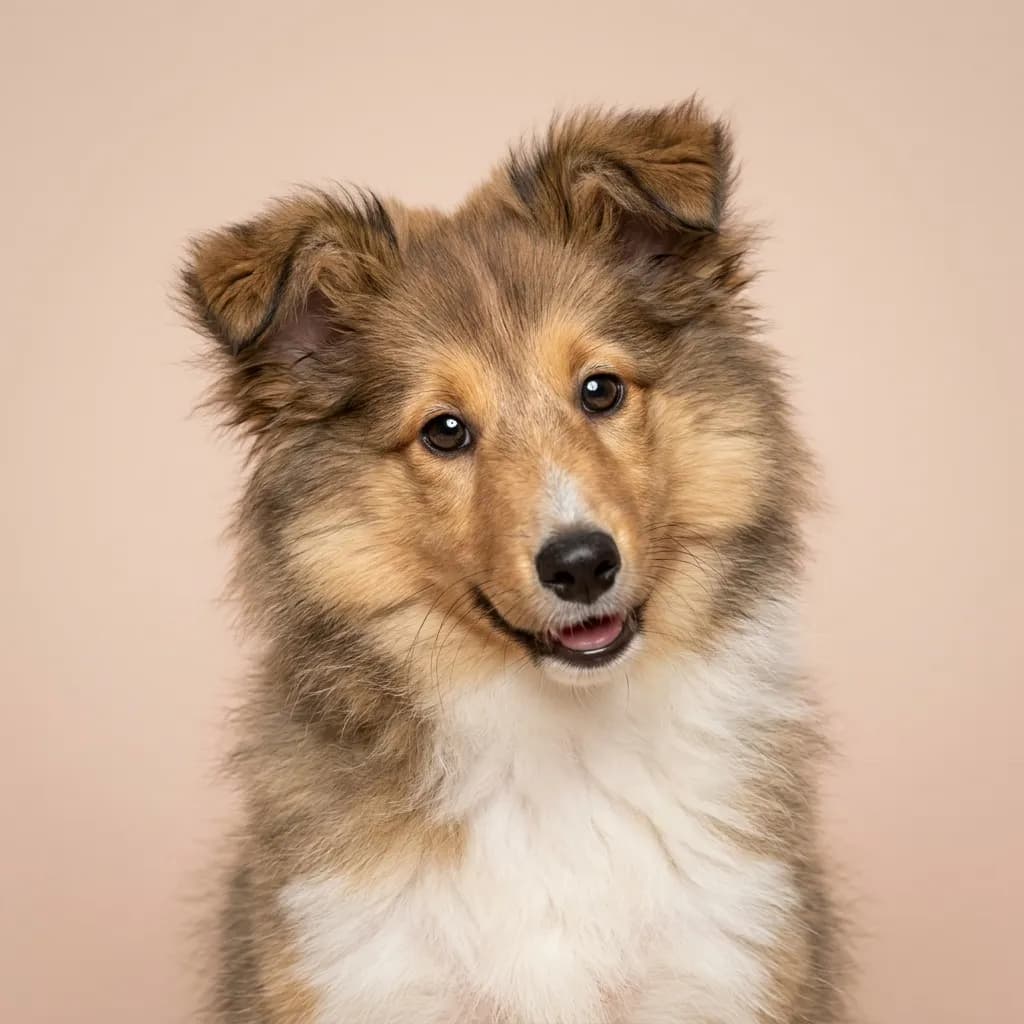
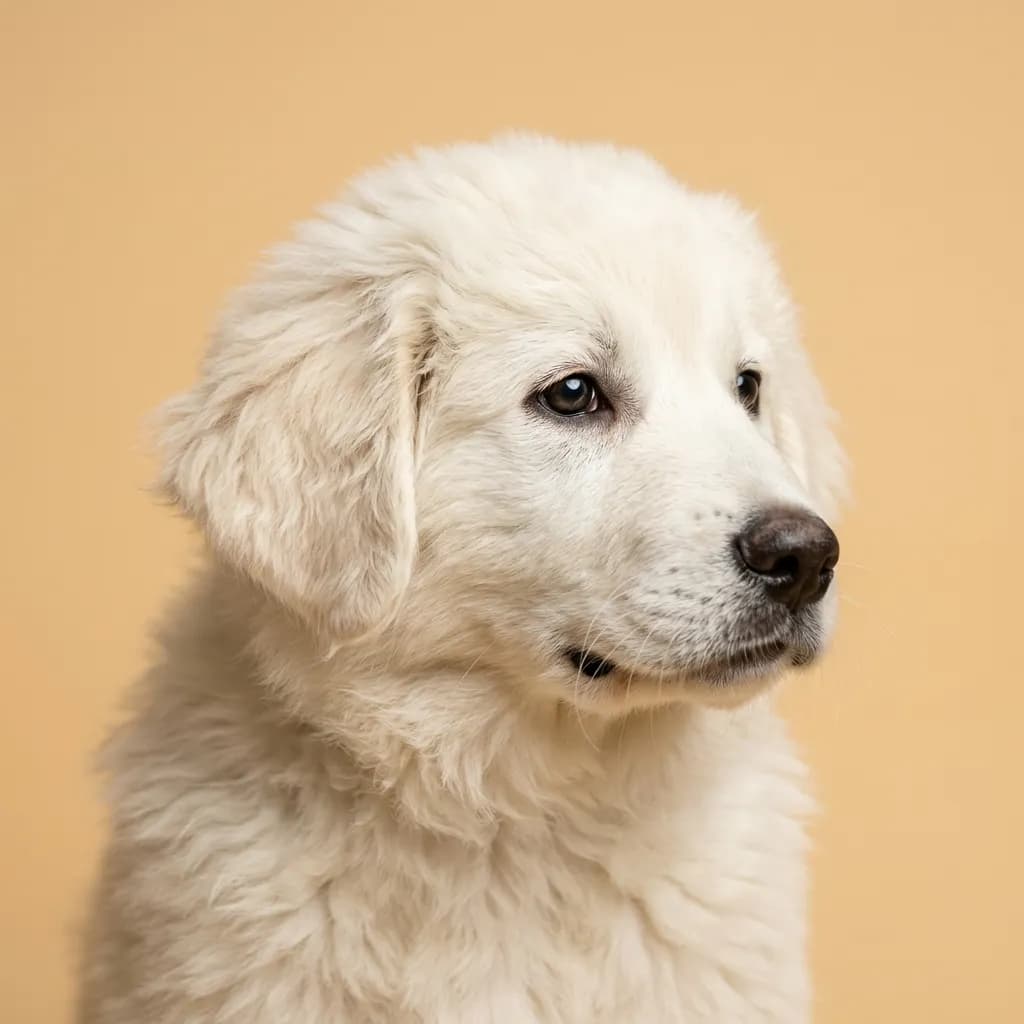
You don’t see Shetland Sheepdogs and Slovenský Cuvacs compared every day, but the question pops up when someone’s looking for a loyal, intelligent dog and gets lost in the alphabet of breeds. On paper, both are white, alert, and rooted in rural work, but that’s where the story splits—hard. The Sheltie is your energetic shadow, the dog that learns a trick in ten minutes and will follow you from room to room just to be near. At 15 to 25 pounds, they fit neatly into suburban life, thriving in homes with kids, agility courses, or even city parks if you’re committed to their daily zoomies. They’re bouncy, bright, and bark at pretty much everything—that doorbell, that leaf, that thought. If you want a dog that feels like a furry extension of your family’s pulse, this is it. But if you hate constant chatter or don’t want to brush weekly, think twice. The Cuvac is a different beast entirely. Think of a 90-pound white mountain dog built for blizzards and solitude, bred to patrol flocks through the night without direction. They’re calm indoors, deeply loyal, but not eager to please like a Sheltie. Training takes patience, and they won’t adapt to apartment living or chaotic households. They’re not the type to cuddle on command, but they’ll guard your family with quiet intensity. Here’s the real difference: Shelties want to join your life. Cuvacs want to protect it from the outside. If you’re a first-time owner craving connection and activity, go Sheltie. If you’ve got space, experience, and need a stoic guardian, the Cuvac might be your match. Just know—this dog isn’t a pet. It’s a sentinel.
Trait-by-trait
Higher bar = more of that trait. Shedding, barking, drooling, grooming flipped for readability.Where they diverge
Choose the Shetland Sheepdog if…
- Families with children
- Active owners
- Dog sports enthusiasts
- You value barking level — Shetland Sheepdog scores noticeably higher.
Choose the Slovensky Cuvac if…
- experienced large-breed owners
- farms and large properties
- cold climates
- You value drooling level — Slovensky Cuvac scores higher here.