Siberian Husky vs Swedish Lapphund
Side-by-side comparison across all 14 AKC trait ratings, with a clear verdict on which breed fits which kind of household.
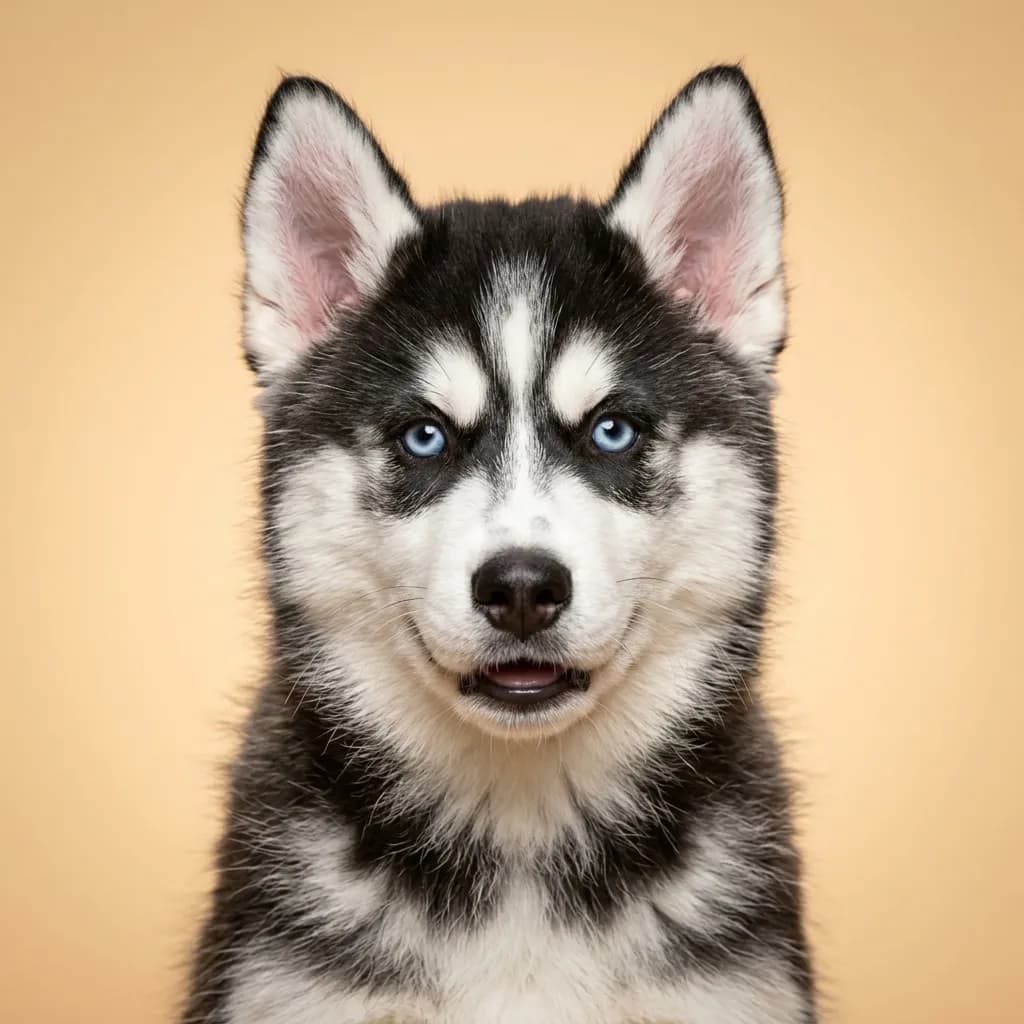
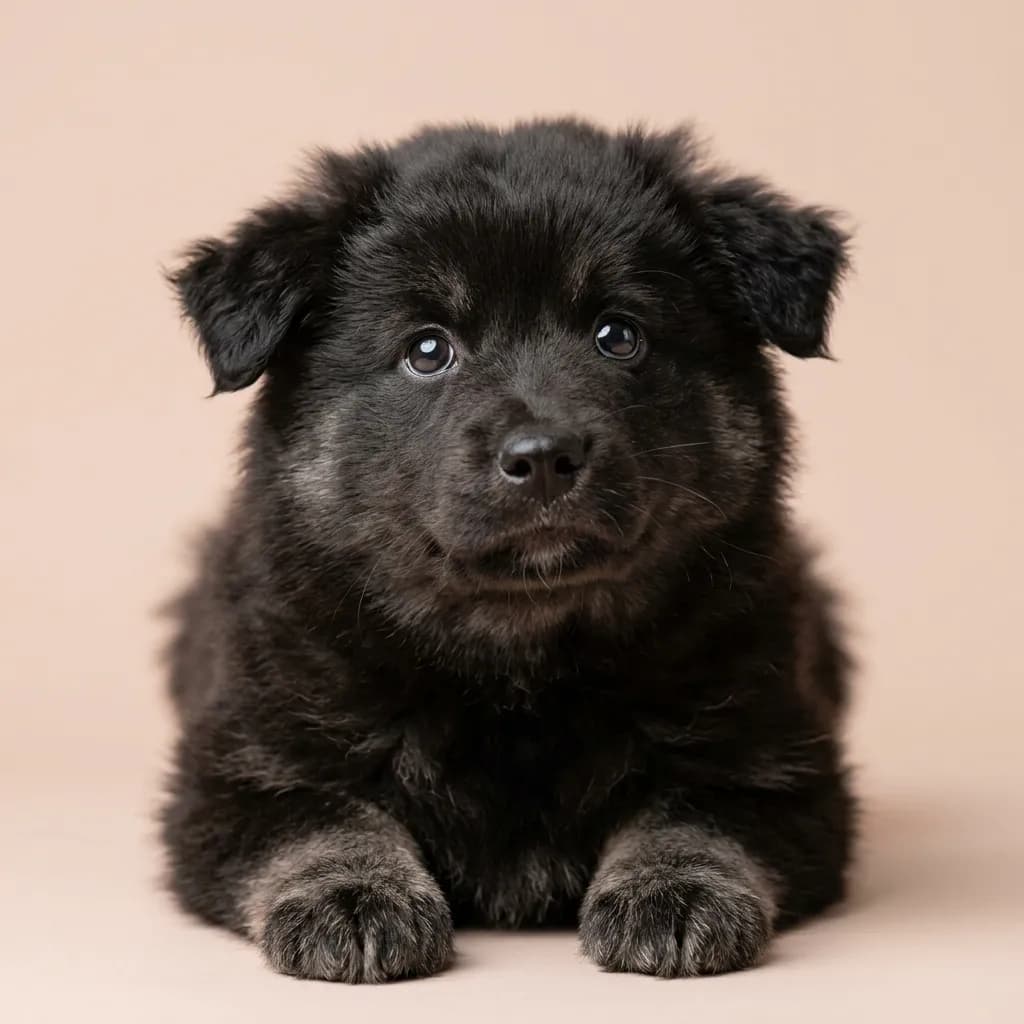
Not sure which breed fits your life?
Answer five questions about your home, your schedule, and your tolerance for shedding. We’ll match you to your top three breeds from over 200.
Siberian Husky vs Swedish Lapphund
People toss these two breeds together because they look vaguely alike—fluffy northern dogs with pricked ears and tails curled over their backs. But that’s where the similarity ends. If the Siberian Husky is the daredevil snowmobile with a heart of gold, the Swedish Lapphund is the thoughtful, slightly quirky cousin who shows up with a well-organized backpack and a plan. Huskies are built for power and endurance, bred to pull sleds across frozen tundra. They’re outgoing, loud, and full of mischief—barking, howling, and plotting escape routes before breakfast. They thrive on adventure, need serious daily exercise, and will ignore recall like it’s a suggestion, not a command. You don’t own a Husky. You negotiate with one. They’re amazing with kids, but only if your home can handle a whirlwind. The Swedish Lapphund, on the other hand, was herding reindeer in the Arctic forests of Sweden—smaller, lighter, more agile. They’re quick to learn, eager to please, and bond deeply with their people. They bark to alert, not to dominate the soundscape, and while they love activity, they’re more content to curl on the couch after a good hike. They’re less obsessed with kids than Huskies, and they don’t adapt as well to chaotic environments. Here’s the real insight: Huskies demand a lifestyle. Lapphunds fit into one. If you’re training for sledding or logging 10-mile trail runs, go Husky. If you want a sharp, loyal companion who’ll join your outdoor life without reinventing it, the Lapphund’s your dog. And while both need cold weather, the Lapphund’s rarer, pricier, and harder to find—so be ready to wait.
Trait-by-trait
Higher bar = more of that trait. Shedding, barking, drooling, grooming flipped for readability.Where they diverge
Choose the Siberian Husky if…
- Active owners who exercise daily
- Cold climate households
- Families with children
- You value good with young children — Siberian Husky scores noticeably higher.
Choose the Swedish Lapphund if…
- Active families
- Cold climate households
- Dog sports enthusiasts
- You value watchdog / protective — Swedish Lapphund scores higher here.