Slovensky Cuvac vs Working Kelpie
Side-by-side comparison across all 14 AKC trait ratings, with a clear verdict on which breed fits which kind of household.
Not sure which breed fits your life?
Answer five questions about your home, your schedule, and your tolerance for shedding. We’ll match you to your top three breeds from over 200.
Slovensky Cuvac vs Working Kelpie
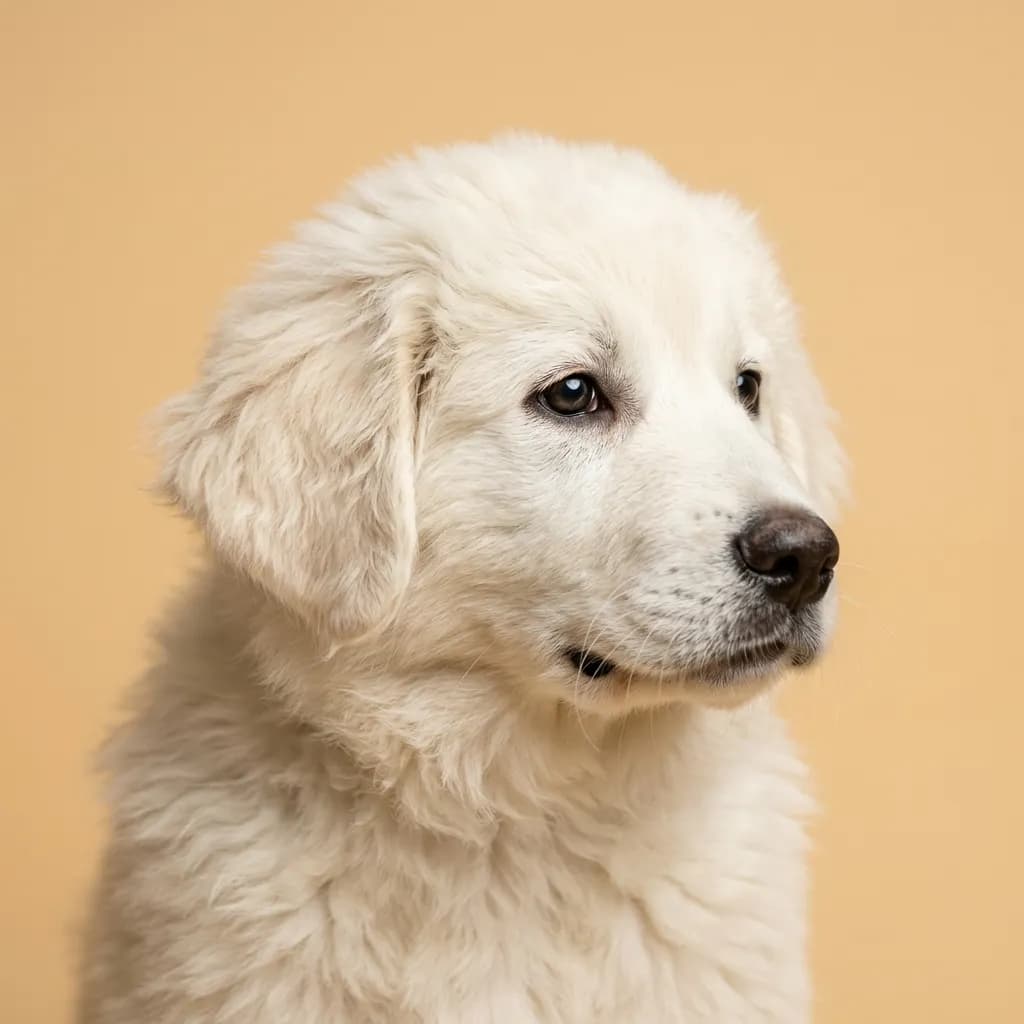
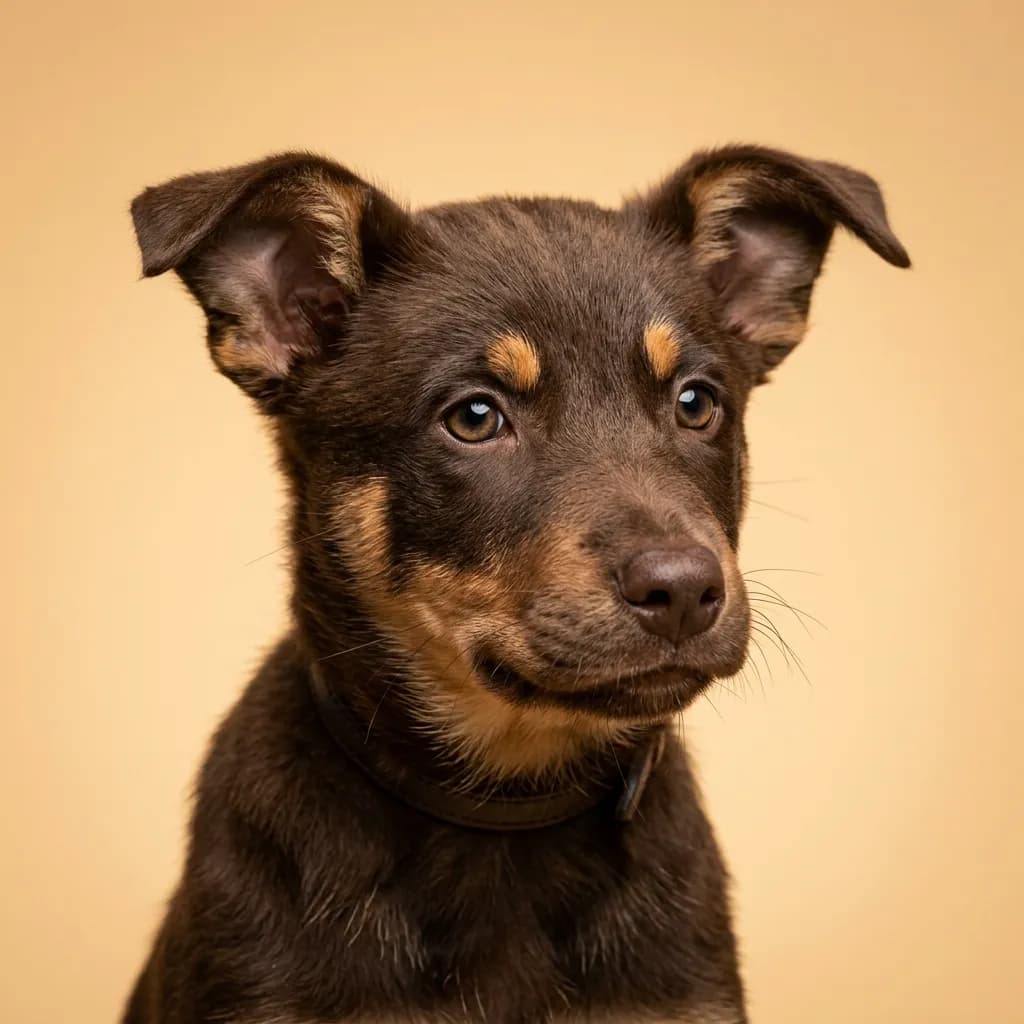
People don’t usually pit a Slovakian livestock guardian against an Australian herding machine, but if you’re eyeing both, you’re likely someone with land, a love for working dogs, and a need for a dog that earns its keep. These breeds get compared not because they’re similar, but because they’re both intense, capable, and utterly unsuitable for the average suburban backyard. The Slovensky Cuvac is a mountain of a dog, built for silence and stamina in snow and cold. It’s loyal to its family and deeply suspicious of strangers, which makes it an excellent night guardian. You won’t hear much from it, but it’s always watching. It sheds heavily, needs space, and won’t thrive unless it has a job or territory to defend. This isn’t a dog that cuddles on command; it’s more like a furry sentinel that happens to love you deeply. The Working Kelpie, on the other hand, is all motion. It lives to work, to move, to solve problems with its body and brain in sync. It’s lighter, quicker, and needs constant physical and mental challenges. If you’re farming or ranching and can include your dog in daily tasks, a Kelpie will be your most efficient partner. It’s great with kids, eager to please, and thrives on interaction. Choose the Cuvac if you need a calm, independent protector for a remote property in a colder climate. Pick the Kelpie if your life involves movement, livestock, and you’re ready to match its energy every single day. Here’s the real talk: the Cuvac will let you live your life while it guards it. The Kelpie will demand you live its life — and if you don’t, it’ll find its own way to stay busy, whether you like it or not.
Trait-by-trait
Higher bar = more of that trait. Shedding, barking, drooling, grooming flipped for readability.Where they diverge
Choose the Slovensky Cuvac if…
- experienced large-breed owners
- farms and large properties
- cold climates
- You value affectionate w/ family — Slovensky Cuvac scores noticeably higher.
Choose the Working Kelpie if…
- Farmers and ranchers
- Experienced dog owners
- Active rural lifestyles
- You value good with strangers — Working Kelpie scores higher here.