Swedish Lapphund vs Tornjak
Side-by-side comparison across all 14 AKC trait ratings, with a clear verdict on which breed fits which kind of household.
Not sure which breed fits your life?
Answer five questions about your home, your schedule, and your tolerance for shedding. We’ll match you to your top three breeds from over 200.
Swedish Lapphund vs Tornjak
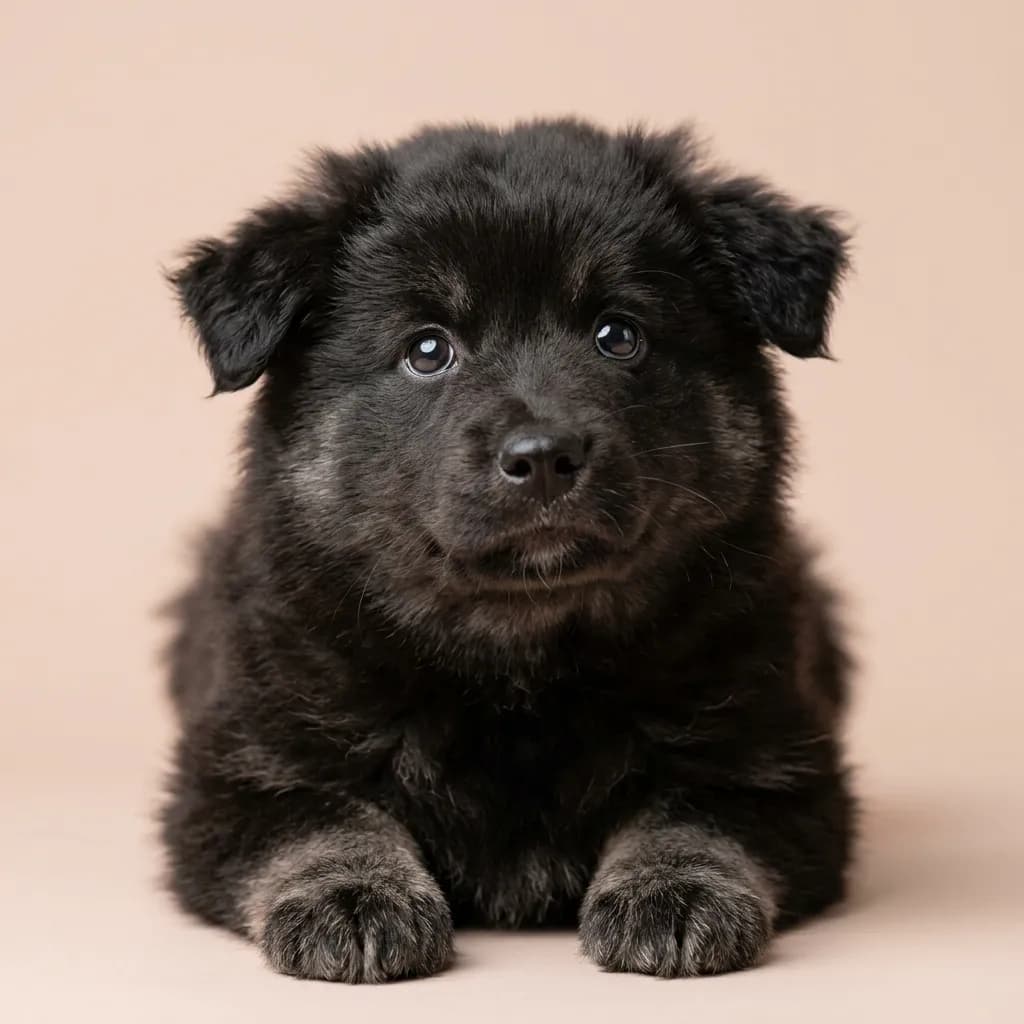
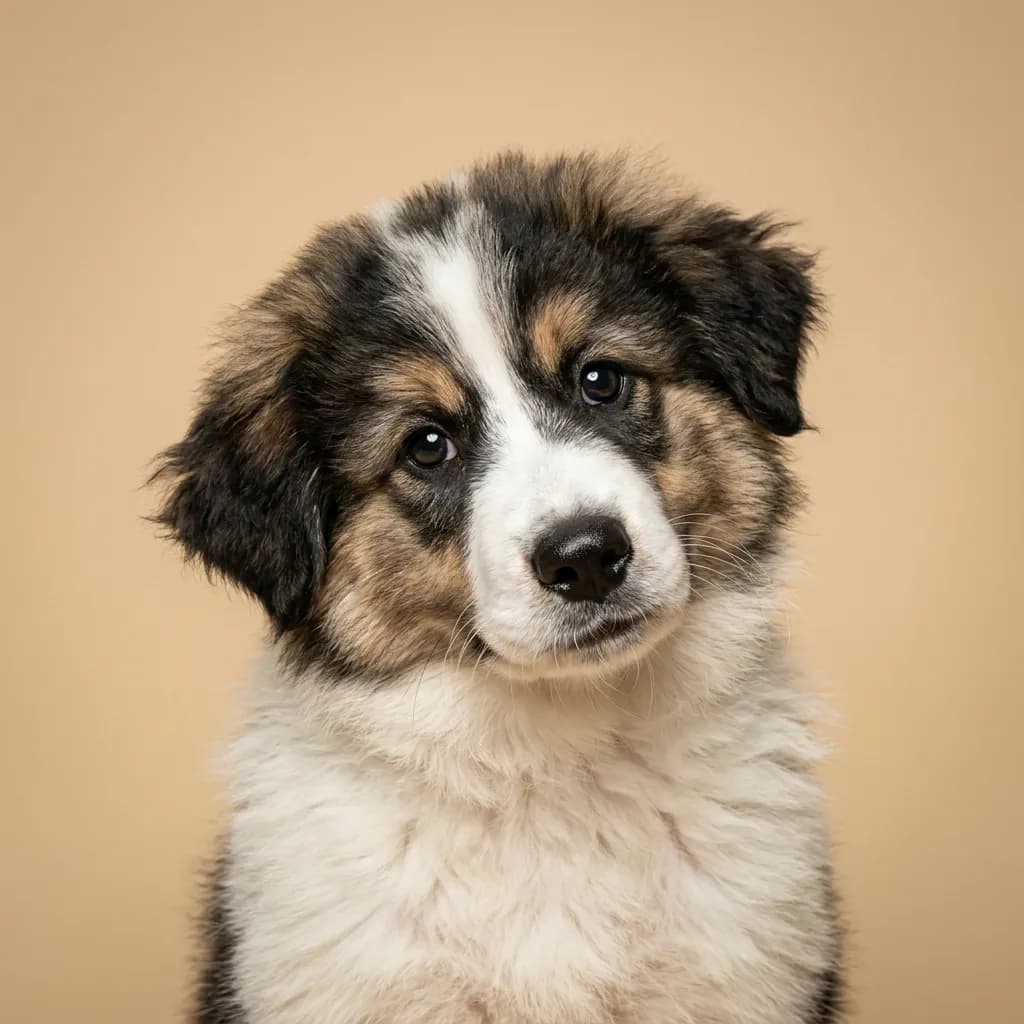
People compare the Swedish Lapphund and Tornjak because both are rare, northern-origin breeds with thick double coats and strong working instincts. At first glance, they might seem like similar rustic packages. But in real life, they’re built for entirely different jobs—and that shapes everything. The Swedish Lapphund is the nimble, brainy herder from Arctic Sweden, originally working reindeer with the Sami people. Think compact, alert, and always ready for a task. At 30–45 pounds, they’re energetic and highly trainable, thriving in dog sports or active family life. They bond closely, demand mental stimulation, and won’t hesitate to bark at changes in their environment. You’ll need time and cold weather to keep them happy. They’re not aloof, but they’re not a couch potato either. The Tornjak is a different kind of dog entirely—massive, calm, and deeply independent. Weighing 60 to 110 pounds, this livestock guardian was bred to make its own decisions overnight in remote pastures. They’re loyal and affectionate with their people, but slow to warm to strangers and slower to train. They don’t need constant activity, but they do need space, structure, and experienced handling. This isn’t a breed you impulse-adopt. Here’s the real talk: The Lapphund wants to work with you. The Tornjak wants to work for you—on his own terms. If you’re active, love training, and live where winters bite, the Lapphund could be your spirited partner. If you’re on a farm, understand guardian breeds, and need a watchful, stoic protector, the Tornjak might be worth the commitment. But don’t get a Tornjak for cuddles or a Lapphund for silence. Know the job, then pick the dog.
Trait-by-trait
Higher bar = more of that trait. Shedding, barking, drooling, grooming flipped for readability.Where they diverge
Choose the Swedish Lapphund if…
- Active families
- Cold climate households
- Dog sports enthusiasts
- You value good with other dogs — Swedish Lapphund scores noticeably higher.
Choose the Tornjak if…
- Experienced large-breed owners
- Farm or rural settings
- Livestock guardian needs
- You value shedding level — Tornjak scores higher here.