Degenerative Myelopathy
What It Is
Degenerative Myelopathy (DM) is a progressive, incurable disease of the spinal cord that affects older dogs—usually those over 8 years old. Think of it like ALS in humans: the nerves that carry messages between the brain and limbs slowly stop working. It starts subtly, often with wobbliness in the back legs, and over time leads to full paralysis. The disease doesn’t cause pain, which is a small comfort, but it severely impacts mobility and quality of life. DM is caused by a genetic mutation in the SOD1 gene, and dogs need to inherit two copies (one from each parent) to be at high risk. Even then, not every dog with the mutation develops symptoms—some live full lives without a single sign. But for those who do, the progression is relentless.
Symptoms to Watch For
Early signs are easy to miss. You might notice your dog dragging their toes when walking, especially on smooth floors, or scuffing their nails. They may stumble more often, have trouble standing up from a lying position, or knuckle their back paws. As it worsens, coordination declines—hind limbs become weak and wobbly, and eventually, your dog may lose the ability to walk entirely. In the late stages, urinary and fecal incontinence can occur, and some dogs develop front limb weakness. Importantly, there’s no pain involved. If your dog seems uncomfortable, it’s likely due to secondary issues like muscle strain from compensating. These symptoms usually progress over 6 months to 3 years, but every dog’s journey is different.
Diagnosis
Diagnosing DM isn’t straightforward because its early signs mimic other conditions like arthritis, intervertebral disc disease, or lumbosacral stenosis. Vets typically start with a full physical and neurological exam, then move to advanced imaging like an MRI to rule out spinal compression. A definitive diagnosis often requires genetic testing (a simple cheek swab) to confirm the SOD1 mutation. While that shows genetic risk, it doesn’t guarantee disease onset. Some vets may recommend a spinal fluid analysis or even post-mortem examination for confirmation. Expect to spend $1,000–$3,000 on diagnostics, depending on your location and what tests are needed. It’s a tough emotional and financial ride, but ruling out treatable conditions is essential.
Treatment Options
Here’s the hard truth: there’s no cure. Treatment focuses on slowing progression and supporting your dog’s comfort and mobility. Physical therapy is one of the most effective tools—studies suggest it can significantly extend the walking phase. Hydrotherapy, laser therapy, and targeted exercises help maintain muscle and coordination. Mobility aids like rear support harnesses ($50–$150) or dog wheelchairs ($200–$600) become crucial as weakness increases. Supplements such as aminocaproic acid, N-acetylcysteine, and vitamin E are commonly used, though evidence of their effectiveness is mixed. Some owners see benefits; others don’t. Pain-free exercise like swimming helps, too. The goal isn’t to reverse DM—it’s to preserve dignity, movement, and time together.
Prevention and Screening
Since DM is genetic, prevention starts before the dog is even born. Responsible breeders test breeding stock for the SOD1 mutation. Testing costs around $60–$100 per dog and is easy to do through labs like Orthopedic Foundation for Animals (OFA) or Paw Print Genetics. Breeding two carriers dramatically increases the risk of affected puppies—so avoid breeders who don’t provide health clearances. If you’re considering a breed at risk, ask for proof of DM testing. For owners, knowing your dog’s status helps with monitoring and planning. Even if your dog is clear (no copies) or a carrier (one copy), they can’t develop DM—only dogs with two copies are at risk. Screening isn’t just responsible—it’s compassionate.
Breeds Most at Risk
While over 100 breeds can carry the mutation, ten are especially prone: Cardigan Welsh Corgi, Chesapeake Bay Retriever, Czechoslovakian Vlcak, German Shepherd, Hovawart, Mudi, Pembroke Welsh Corgi, Puli, Pumi, and Rhodesian Ridgeback. Five of these—Corgis, Mudis, Pulis, Pumis, and Czechoslovakian Vlcaks—fall under the Herding Group, making it the most impacted. The Foundation Stock Service includes the Vlcak and Mudi, reflecting their rare status in the U.S. The Sporting Group brings in the Chesapeake, the Hound Group the Rhodesian Ridgeback, and the Miscellaneous Class the Hovawart. German Shepherds, a Herding Group staple, are among the most commonly affected—no surprise, given their popularity. If you’re drawn to these breeds, don’t panic. DM isn’t a life sentence at birth. But do your homework: choose breeders who test, know your dog’s status, and stay alert for those early wobbles. Knowledge is your best defense.
Breeds commonly affected
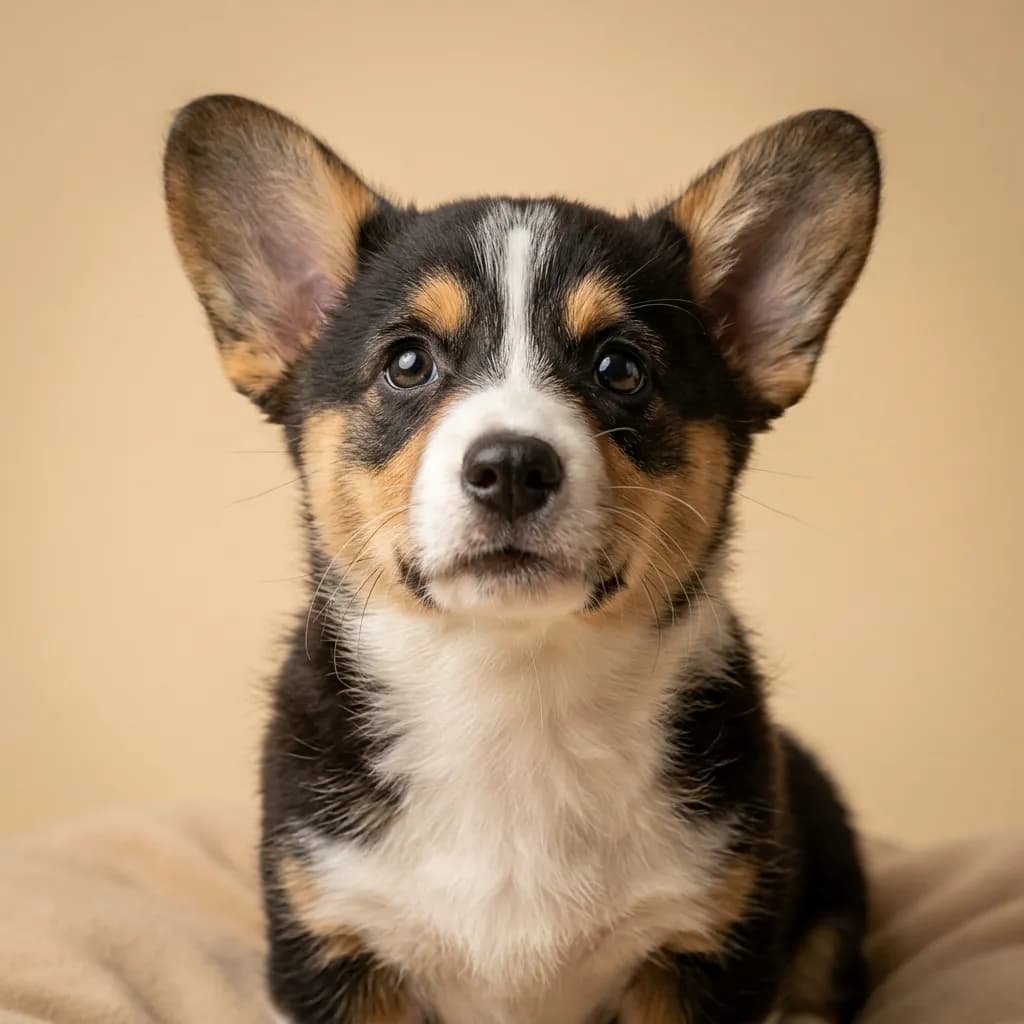
Cardigan Welsh Corgi
Herding Group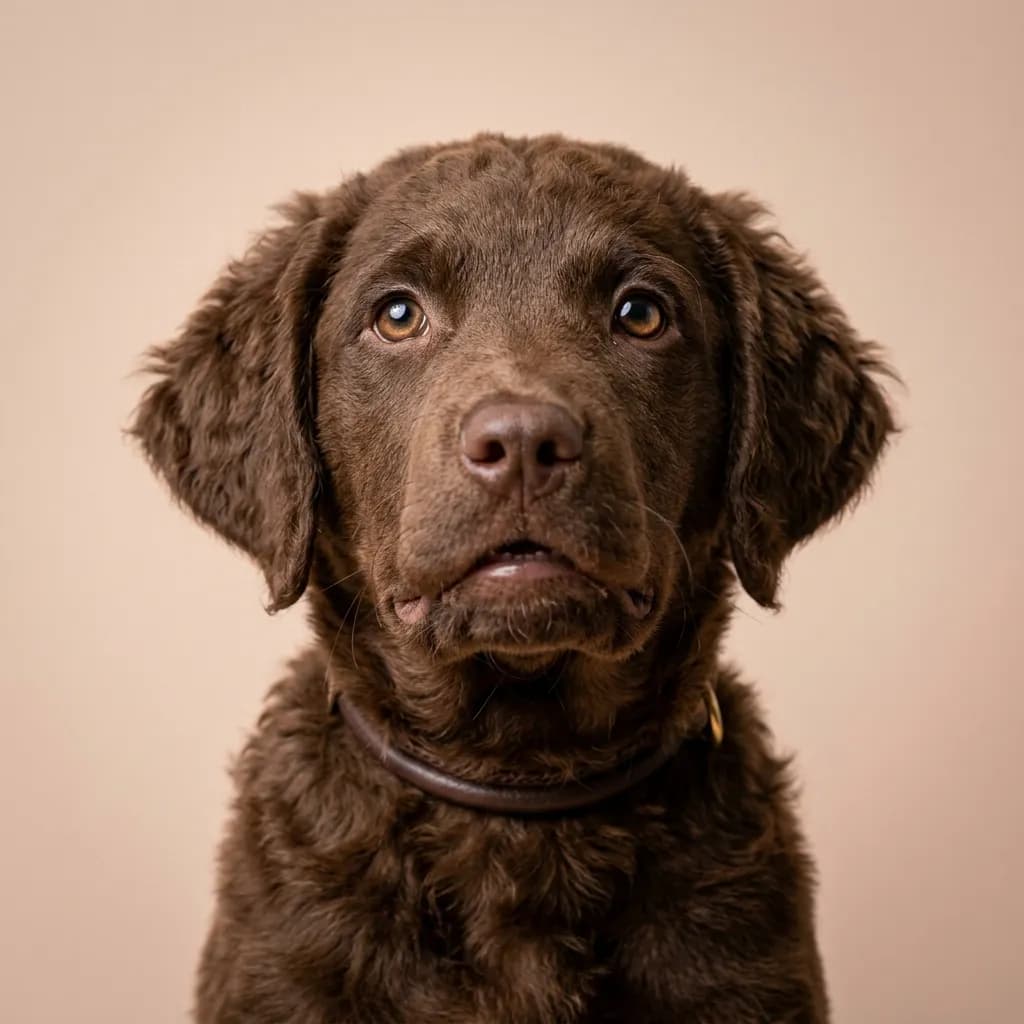
Chesapeake Bay Retriever
Sporting Group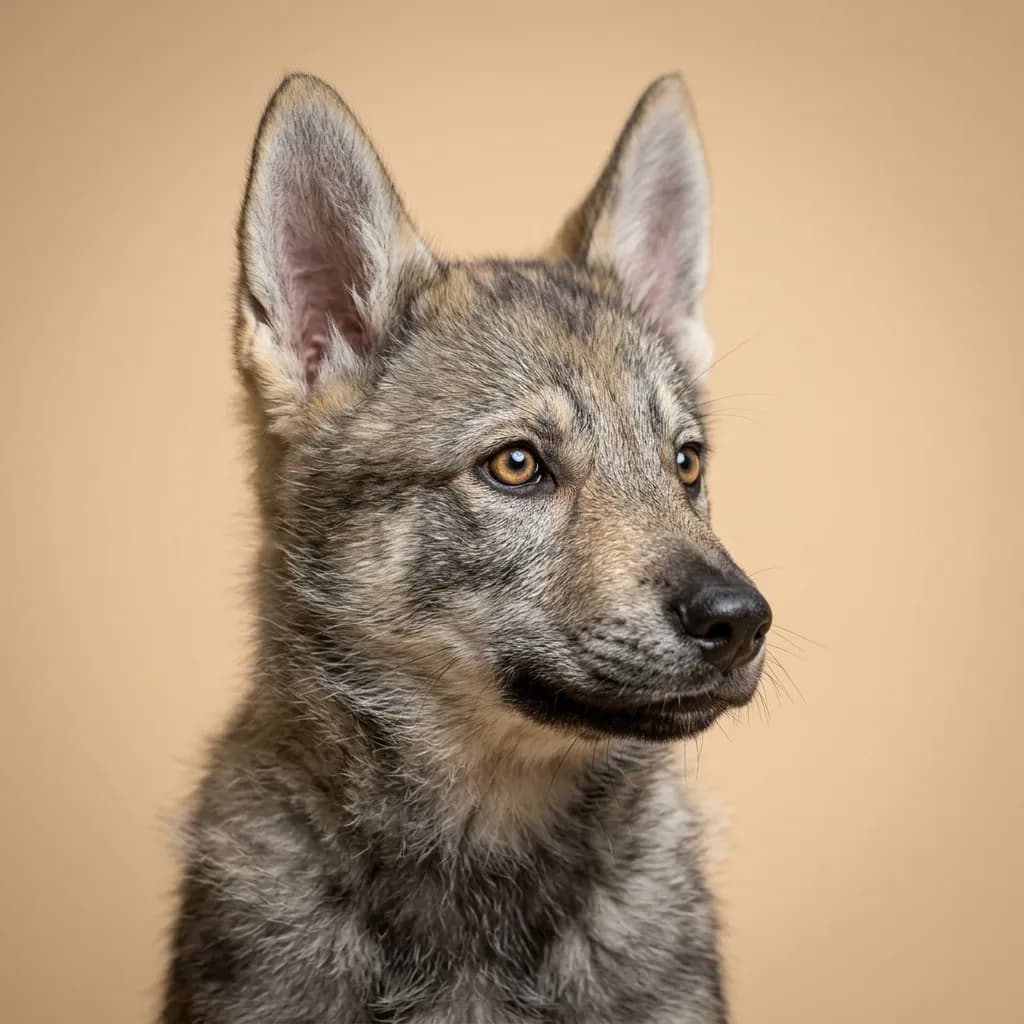
Czechoslovakian Vlcak
Foundation Stock Service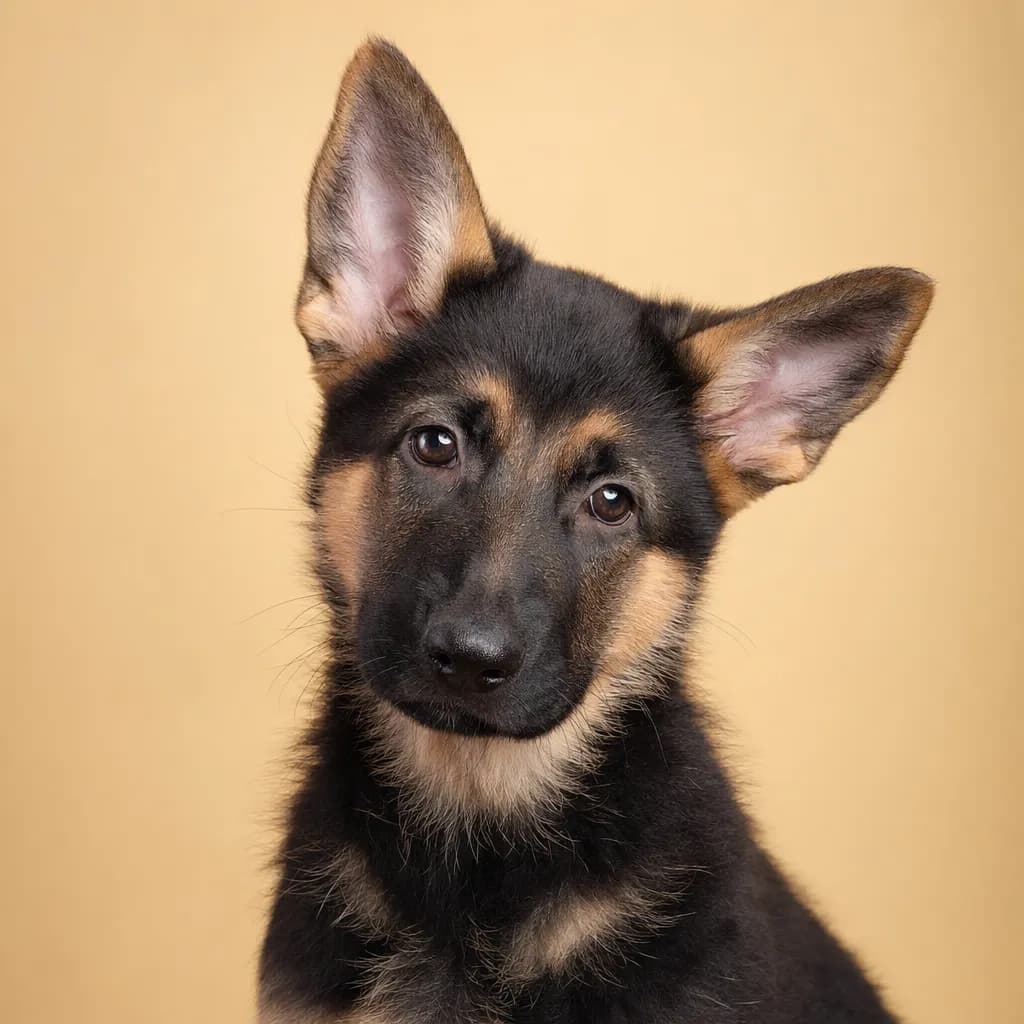
German Shepherd
Herding Group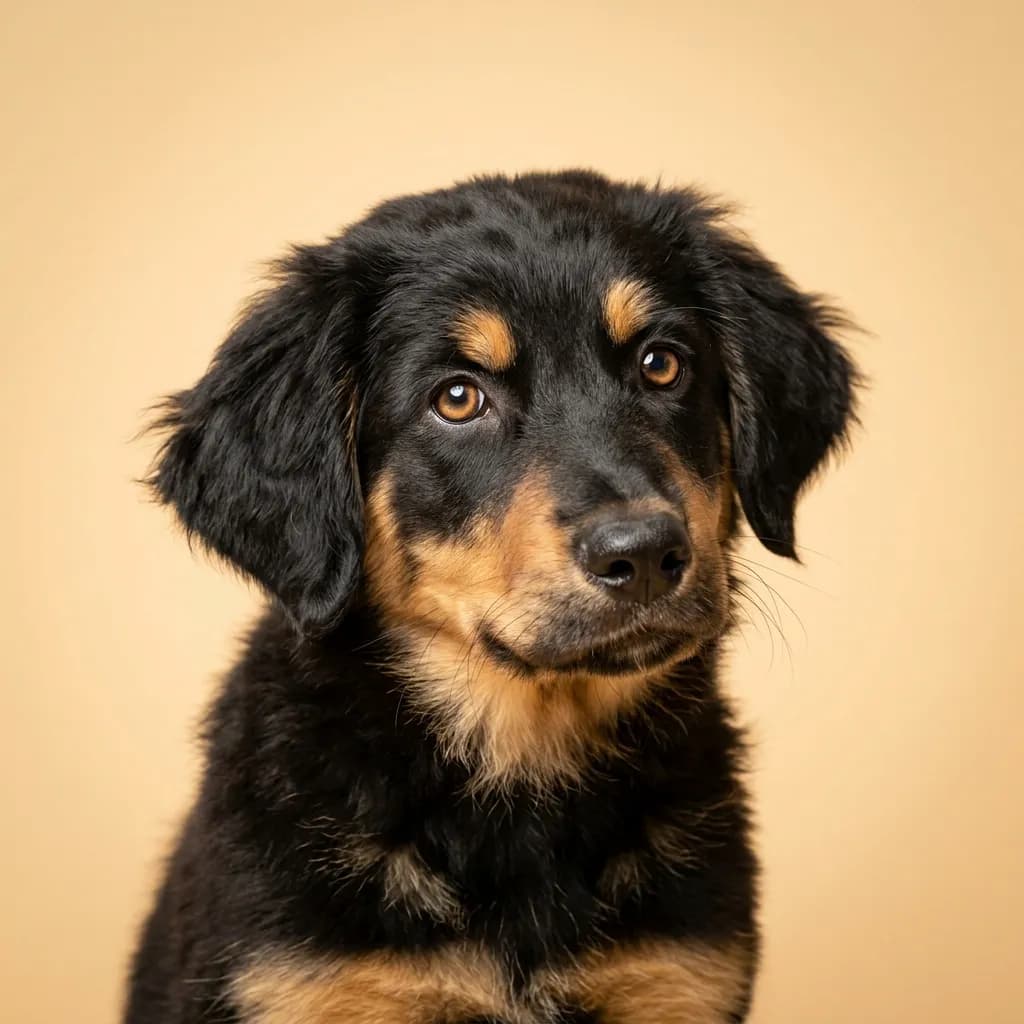
Hovawart
Foundation Stock Service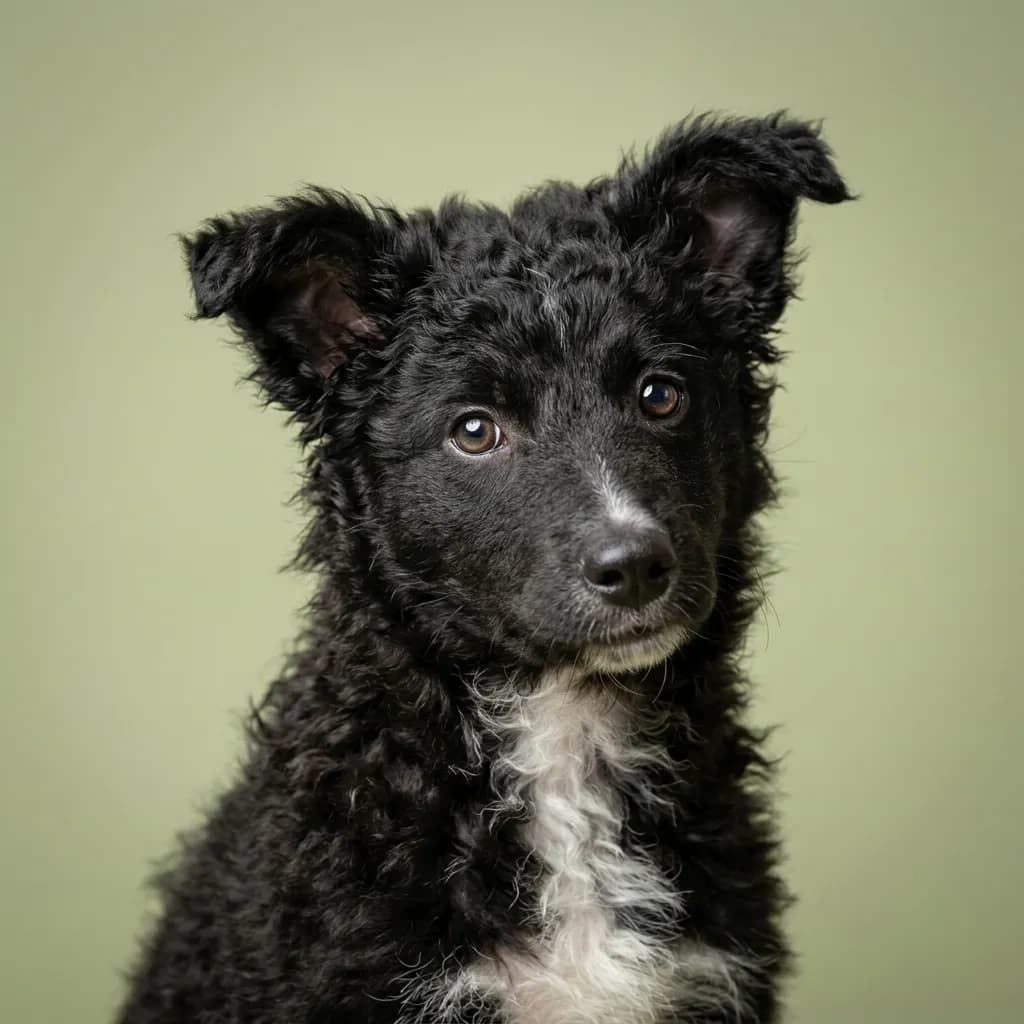
Mudi
Miscellaneous Class
Pembroke Welsh Corgi
Herding Group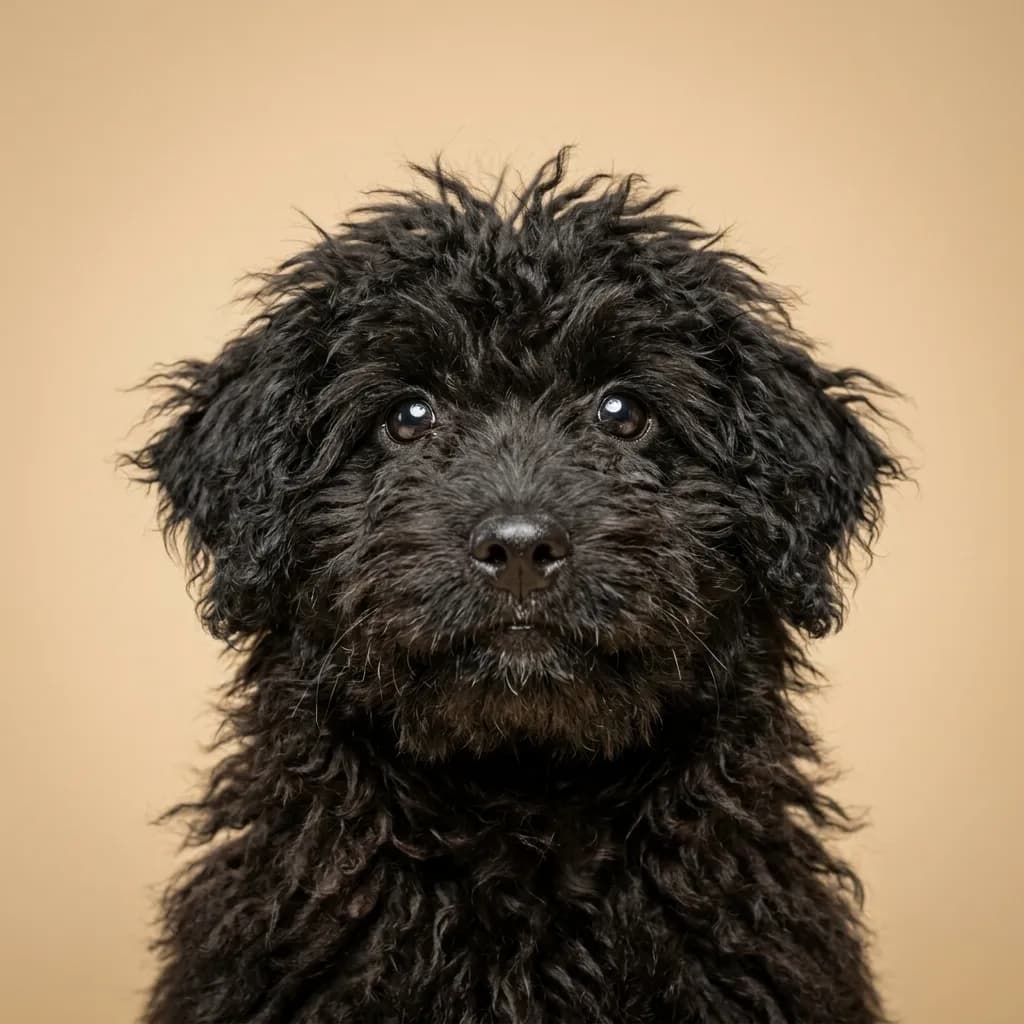
Puli
Herding Group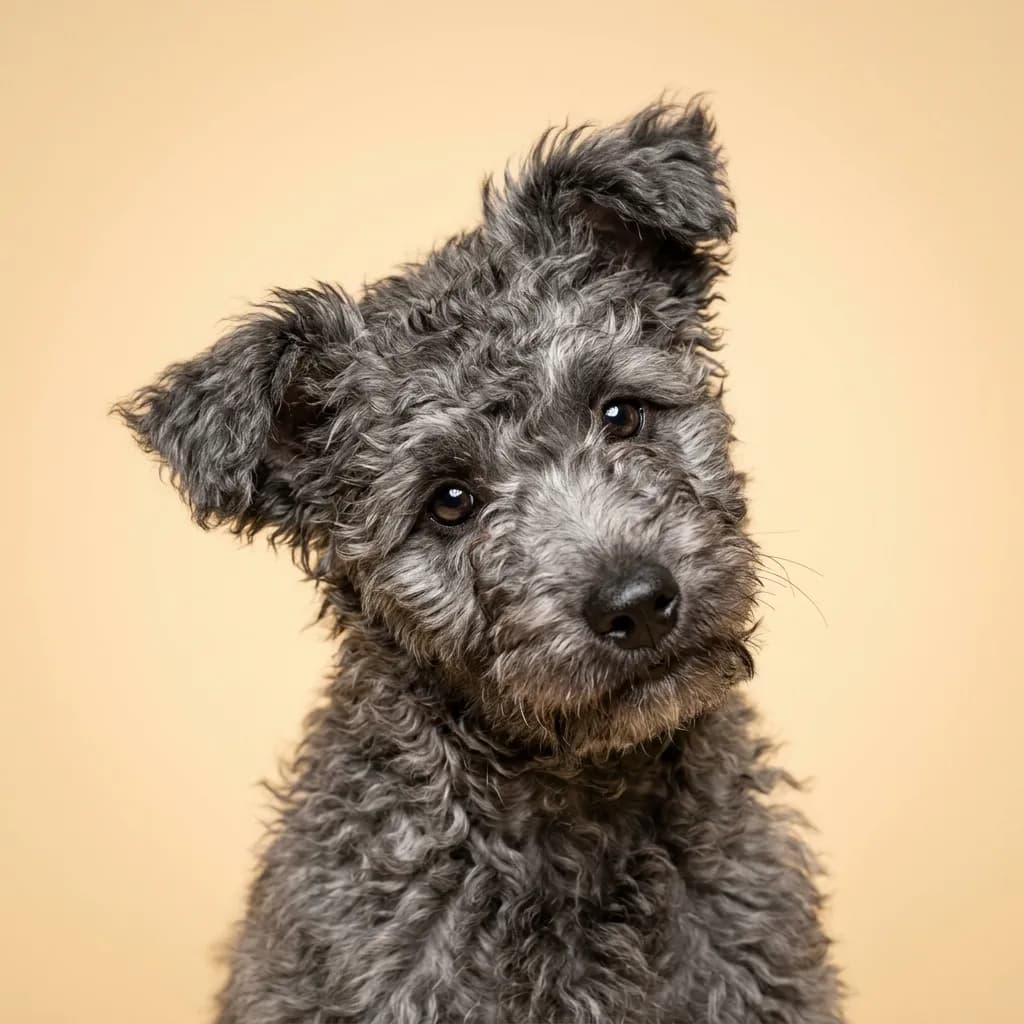
Pumi
Herding Group