Osteosarcoma
What It Is
Osteosarcoma is the most common primary bone cancer in dogs, and honestly, it’s one of the nastiest. It usually starts in the long bones—like the femur, humerus, or radius—and grows fast, destroying healthy bone tissue. By the time it’s caught, there’s often already microscopic spread to the lungs, even if they look clear on X-rays. It hits large and giant breeds hardest, typically between ages 6 and 9, though I’ve seen it in younger Great Danes as early as 3. This isn’t just a “treat and watch” situation—it’s aggressive, painful, and progresses quickly. The cancer originates in the cells that build bone, called osteoblasts, which is why it’s so destructive. Survival time without treatment? Maybe 2 to 3 months. With aggressive treatment? You might get 10 to 12 months, sometimes more, but it’s a tough battle.
Symptoms to Watch For
Limping is usually the first red flag—especially if it doesn’t get better with rest or pain meds. At first, you might think it’s just a sprain or arthritis, especially in older big dogs. But with osteosarcoma, the lameness gets worse, not better. You might also see swelling in the leg, warmth to the touch, or your dog whimpering when the area is pressed. They’ll start favoring the leg more, lose appetite, or just seem off. Some dogs go from “a little stiff” to “won’t touch the ground” in a matter of weeks. If your giant breed suddenly starts limping and isn’t improving, don’t wait—get it checked. Bone cancer doesn’t do subtle.
Diagnosis
Your vet will likely start with X-rays. Osteosarcoma has a classic “sunburst” or “moth-eaten” appearance on bone images, so it’s often suspicious right away. But to confirm, they’ll need a biopsy—pulling a small sample of the bone. It’s not something you can diagnose from bloodwork alone. They’ll also want chest X-rays or a CT scan to check for lung metastasis, because even if the primary tumor is in the leg, the cancer may have already spread. This whole diagnostic process—X-rays, CT, biopsy—can run $1,000 to $2,000 depending on your area. It stings, but skipping it means guessing, and you can’t afford to guess with something this serious.
Treatment Options
The standard go-to is amputation of the affected limb followed by chemotherapy. Yeah, amputation sounds drastic, but most dogs adapt incredibly well—three legs aren’t a death sentence. In fact, removing the painful limb often makes them feel better fast. Chemo (usually carboplatin) helps slow metastasis. The combo can extend survival to a year or more. If you opt out of amputation, radiation can help control pain, but it won’t stop the cancer. Palliative radiation runs $1,000–$2,000, and pain meds add up fast—think $100–$200 a month. Limb-sparing surgery is rare and only available at specialty centers; it’s risky and can cost $5,000–$7,000. Immunotherapy trials are emerging, but they’re still experimental and not widely accessible. Bottom line: treatment is expensive and emotionally draining, but many dogs still have good quality time with the right care.
Prevention and Screening
There’s no surefire way to prevent osteosarcoma, but if you’re researching breeds, this should be on your radar. For at-risk dogs, I recommend annual leg X-rays starting at age 5, especially if they’re showing any stiffness. It’s not standard, but catching it early—before major destruction—can make a real difference. Cost? About $200–$300 per X-ray. Also, avoid excessive high-impact exercise in young giants. Early spay/neuter has been linked to higher risk in some studies (like Rottweilers), so talk to your vet about timing. It’s a lot to think about, but knowledge helps you advocate for your dog.
Breeds Most at Risk
Thirteen breeds are especially vulnerable, with Working and Hound Group dogs dominating the list. Rottweilers are probably the most commonly affected—up to 1 in 8 may develop it. Great Danes, Saint Bernards, and Irish Wolfhounds are up there too. Borzois, Scottish Deerhounds, and Greyhounds often get it in the wrist or shoulder. Mastiff-types (Mastiff, Pyrenean Mastiff, Spanish Mastiff) and Flat-Coated Retrievers are also high-risk. If you’re considering one of these breeds, know this isn’t just a “possible” issue—it’s a real, life-threatening risk. Responsible breeders should be transparent about osteosarcoma in bloodlines. Ask. Push. It could save you heartbreak later.
Breeds commonly affected

Borzoi
Hound Group
Flat-Coated Retriever
Sporting Group
Great Dane
Working Group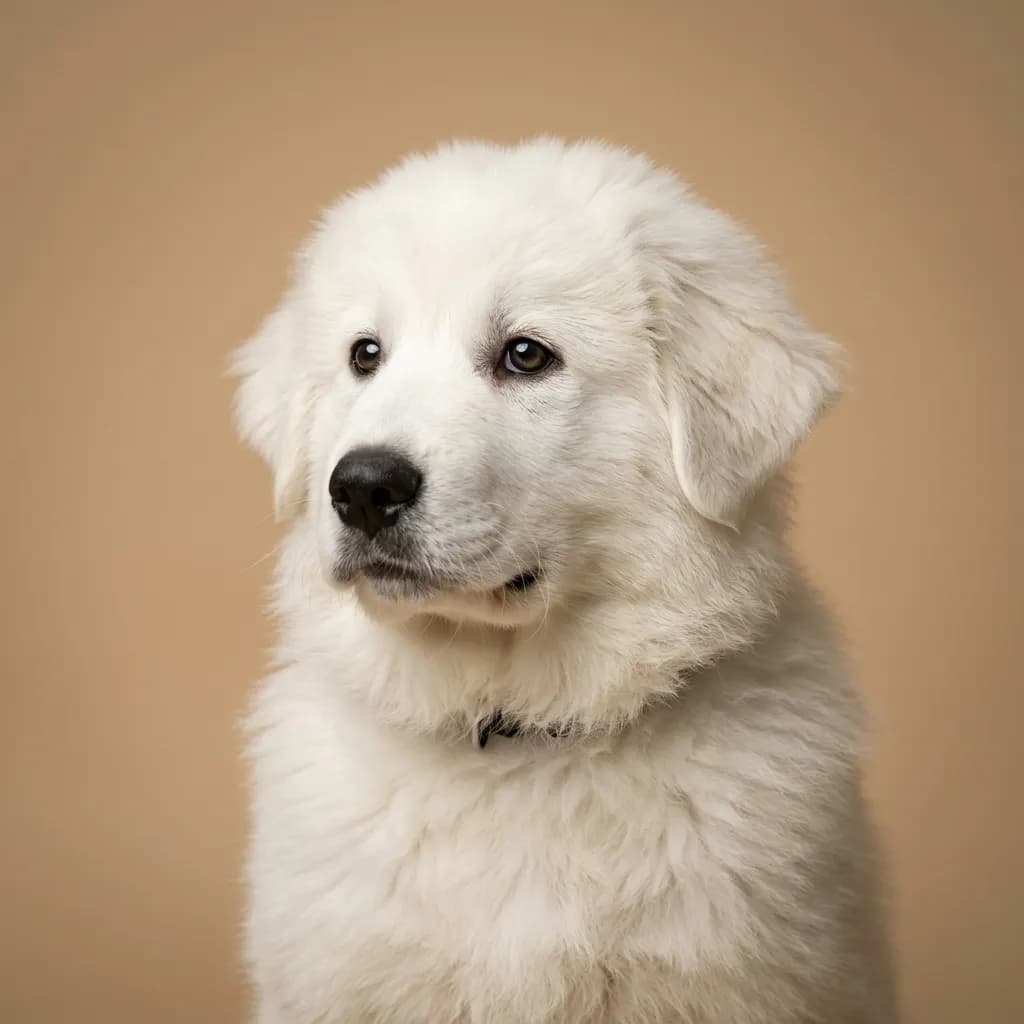
Great Pyrenees
Working Group
Greyhound
Hound Group
Irish Wolfhound
Hound Group
Leonberger
Working Group
Mastiff
Working Group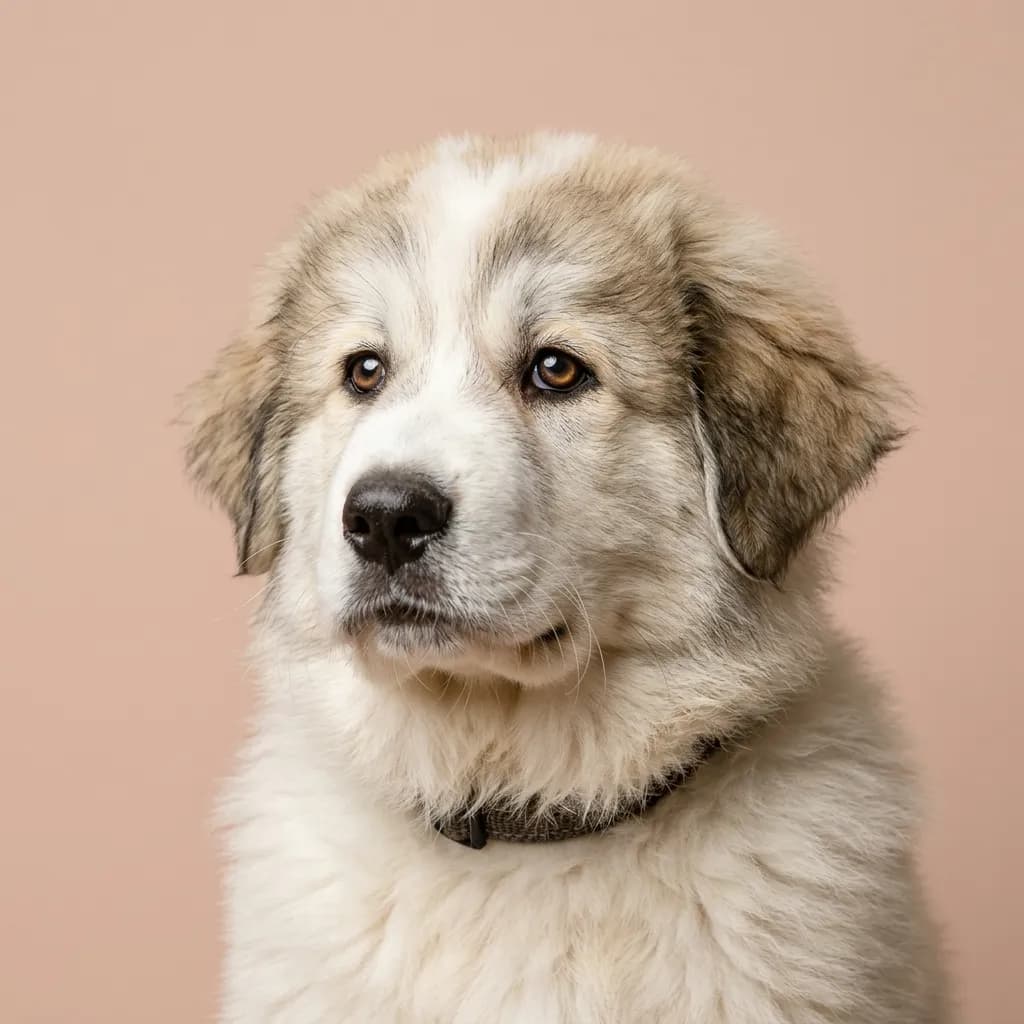
Pyrenean Mastiff
Foundation Stock Service
Rottweiler
Working Group
Saint Bernard
Working Group
Scottish Deerhound
Hound Group