How to Potty Train a Puppy
A realistic timeline and method that works for apartments and houses.
Potty training a puppy is one of those things everyone says is easy until they’re standing barefoot in a puddle at 3 a.m., wondering if they’ll ever get a full night’s sleep again. Let’s be real: it’s hard. But it’s not magic, and it’s not impossible. It’s consistency, timing, and managing your expectations. Here’s the straight talk you need.
How Long Potty Training Actually Takes
Most puppies are reliably house-trained by 4 to 6 months old. That doesn’t mean a few accidents after that. It’s normal—and expected—for a puppy to have an occasional slip-up even up to 12 months. Don’t confuse a few accidents with failure. “Reliable” means weeks without an accident, not days. If your 5-month-old hasn’t peed on the rug in three weeks, you’re doing great.
Small breeds often take longer. Chihuahuas, Pomeranians, and Yorkies have tiny bladders and can go every hour. They’re also more likely to sneak off and pee behind the couch where you won’t notice until it’s too late. And because they’re small, their signals are subtle—a little sniffing, a pause in play—that you can easily miss. Large breeds like Labs or Goldens usually catch on faster. They have bigger bladders and clearer body language. But don’t assume big = easy. A Great Dane puppy still can’t hold it for 8 hours at 10 weeks old.
The biggest mistake? Owners think their puppy should be accident-free by 12 weeks. That’s not how it works. Puppies under 16 weeks old don’t have the physical control or mental awareness to fully grasp house-training. They’re learning, yes, but they’ll fail. You have to keep going.
The Basic Method
The foundation of potty training is simple, but it requires commitment. You can’t half-do it and expect results.
Take your puppy out after waking, after eating, after playing, and after napping. These are the big triggers. A puppy will usually need to go within 5 to 15 minutes of drinking water or finishing a meal. Set a timer if you have to. For young puppies, this means every 30 to 60 minutes when they’re awake. Yes, it’s exhausting. Yes, you’ll be outside a lot.
Pick one spot outside and go there every time. Use a cue word like “go potty” while they’re doing it. Don’t just walk around the yard. Stand in the same spot, let them sniff, and wait. Most puppies will go within 3 to 5 minutes if they need to. When they do, praise like crazy and give a treat—immediately. Not when you walk back inside. Not after you’ve dried their paws. The second their pee hits the grass, say “Good potty!” and hand over a pea-sized piece of chicken or a favorite treat.
Supervision is non-negotiable. When your puppy is loose in the house, you need to be watching them like a hawk. No checking emails, no scrolling TikTok, no quick nap on the couch. If you can’t supervise, they go in the crate or a puppy-proofed pen. That’s not cruel. It’s how they learn. If they’re free to roam and they pee behind the bookshelf, they’re not being “bad.” They’re doing exactly what dogs do—relieving themselves where they feel safe. You’re the one who failed by giving them unsupervised access.
And when accidents happen—and they will—clean them with an enzyme cleaner. Not Windex. Not vinegar. Not anything with ammonia. Ammonia smells like urine to a dog, so using ammonia-based cleaners tells them, “Hey, this is a good spot to go again.” Enzyme cleaners break down the odor at the molecular level. Products like Simple Solution or Rocco & Roxie work well. Just soak it in, let it dry, and move on.
Potty Training Schedule by Age
Your puppy’s bladder control grows with age. Here’s a realistic schedule:
At 8–10 weeks, take them out every 30–45 minutes when awake. That includes overnight. Set an alarm. Most 8-week-olds can’t make it more than 2–3 hours at night. Put the crate in your bedroom so you hear whining. When they cry, wait 10 seconds. If they keep going, take them out on a leash, no talking, straight to the potty spot. If they go, praise quietly and back to bed. If they don’t, back in the crate. No play. No cuddles. You’re teaching them nighttime is for sleeping, not socializing.
At 10–12 weeks, they can usually go 45–60 minutes during the day. Nighttime may still require one trip, but some pups start sleeping 5–6 hours straight.
By 3–4 months, every 1–2 hours during the day is enough. You’ll start seeing signals—sniffing, circling, heading to the door. This is huge. When they go to the door, reward that like it’s the lottery. Open the door, let them out, and when they go, celebrate. They’re connecting the dots.
At 4–6 months, every 2–3 hours is fine. Accidents become rare. This is when you can start giving more freedom—maybe let them roam one room while you’re in the kitchen. But don’t rush it. One accident after two weeks of clean living doesn’t mean you’ve failed. It means you gave too much freedom too soon.
At 6–12 months, they should be mostly reliable. But adolescence hits around 6 months, and with it comes regression. They forget everything. They pee on the rug “just because.” It’s not defiance. It’s their brain rewiring. Go back to basics for a few weeks. Stick to the schedule. Crate when unsupervised. It’ll pass.
Puppy Pads: Yes or No?
The honest answer: if you can avoid them, do. Puppy pads teach your dog that it’s okay to pee inside. Even if you start moving them toward the door, you’re still reinforcing indoor elimination. And breaking that habit is harder than starting with outdoor-only training.
That said, sometimes they’re the right call. If you live in a 10th-floor apartment with no yard, or it’s -10°F and snowing sideways, pads are practical. If you have a teacup breed that can’t hold it long enough to get downstairs, pads make sense.
If you do use them, have a plan. Start by placing the pad where it’s convenient for you. Then, over 2–3 weeks, inch it closer to the door. Once it’s right by the exit, start opening the door while they use it. Eventually, take them outside to the same spot right after they go on the pad. Then, stop using the pad altogether and go straight outside. The key is consistency and transition. Don’t leave pads down for months.
But if you can take your puppy outside every hour, do it. They’ll learn faster, and you won’t fight pad dependency later.
What NOT to Do
There are some hard rules. Break them, and you’ll undo weeks of progress.
Never, ever rub your puppy’s nose in the accident. They don’t understand why you’re mad. They just learn to fear you. Same with yelling or “stomping” the paper towel. Dogs don’t connect past behavior with present punishment. If you find a puddle and your puppy is wagging their tail, they’re not feeling guilt. They’re reacting to your stress. You missed the window.
Don’t punish after the fact. If you didn’t catch them in the act, all you can do is clean it and move on. Punishment after the fact creates anxiety, not learning.
Don’t assume they “know better” before 6 months. A 10-week-old puppy doesn’t have the brain development to remember that the rug isn’t for peeing. They’re not being spiteful. They’re being puppies.
And don’t give too much freedom too soon. This is the #1 cause of regression. Just because your puppy went 5 days accident-free doesn’t mean they can roam the house while you’re at work. One accident leads to another, and soon you’re back to square one. Freedom is earned in stages. Start with one room. Add another after 2 weeks of clean living. Keep the crate or pen for when you can’t supervise.
Breed-Specific Considerations
Not all puppies learn at the same pace. Genetics play a role.
Small breeds like Maltese, Shih Tzus, or Pugs have tiny bladders and can struggle with timing. They may need pads or more frequent trips. Their signals are easy to miss. Watch for sudden pauses in activity, sniffing the carpet, or turning in circles.
Stubborn breeds—Beagles, Dachshunds, Bulldogs, Basset Hounds—can be slow to pick it up. They’re not dumb. They’re independent. You’ll need higher-value rewards. Try freeze-dried liver or real chicken instead of kibble. Make potty time exciting. These breeds often take 4–6 months to fully train, sometimes longer.
On the flip side, high-intelligence breeds like Poodles, Border Collies, and German Shepherds often catch on in 2–3 weeks with consistent training. They learn fast but can also pick up bad habits quickly. If they pee in the house and aren’t corrected, they’ll do it again.
Keep in mind that every puppy is an individual. Breed tendencies are a starting point, not a rule. We have a database of breed-specific potty training tips for all 276 breeds on PuppyBase, but the truth is, most puppies respond to the same basics: timing, consistency, and positive reinforcement.
When to Worry
Accidents are normal. But if your puppy is over 5 months old and still having multiple accidents a day despite consistent training, it’s time to check for medical issues. Urinary tract infections (UTIs) are common in puppies, especially females. Symptoms include frequent squatting, crying while peeing, or blood in the urine. A simple urine test from your vet can rule it out.
Also, if a puppy who was reliably trained suddenly starts having accidents, don’t assume it’s behavioral. Rule out medical causes first. Bladder infections, parasites, or even spinal issues can affect control.
If you’ve been consistent for 2+ months—taking them out every hour, supervising, using a crate, cleaning properly—and you’re seeing zero progress, talk to your vet or a certified trainer. There might be an underlying issue, or your method might need adjusting.
Potty training is a marathon, not a sprint. You’ll have days where you want to quit. You’ll step in something gross. You’ll wonder if your puppy will ever get it. But they will. Every puppy I’ve trained got there. So will yours. Just keep going.
Potty Training Timeline by Breed Size
Small Breeds
4-6 months
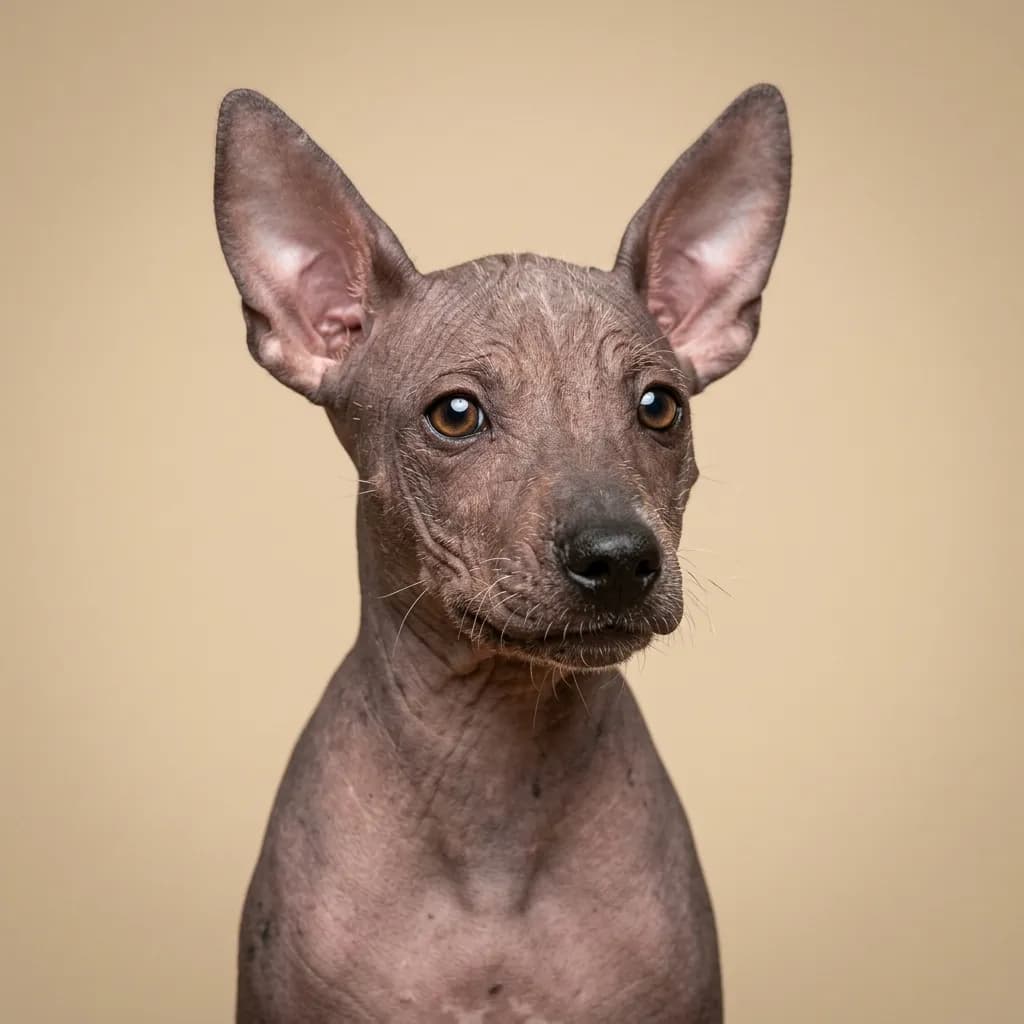

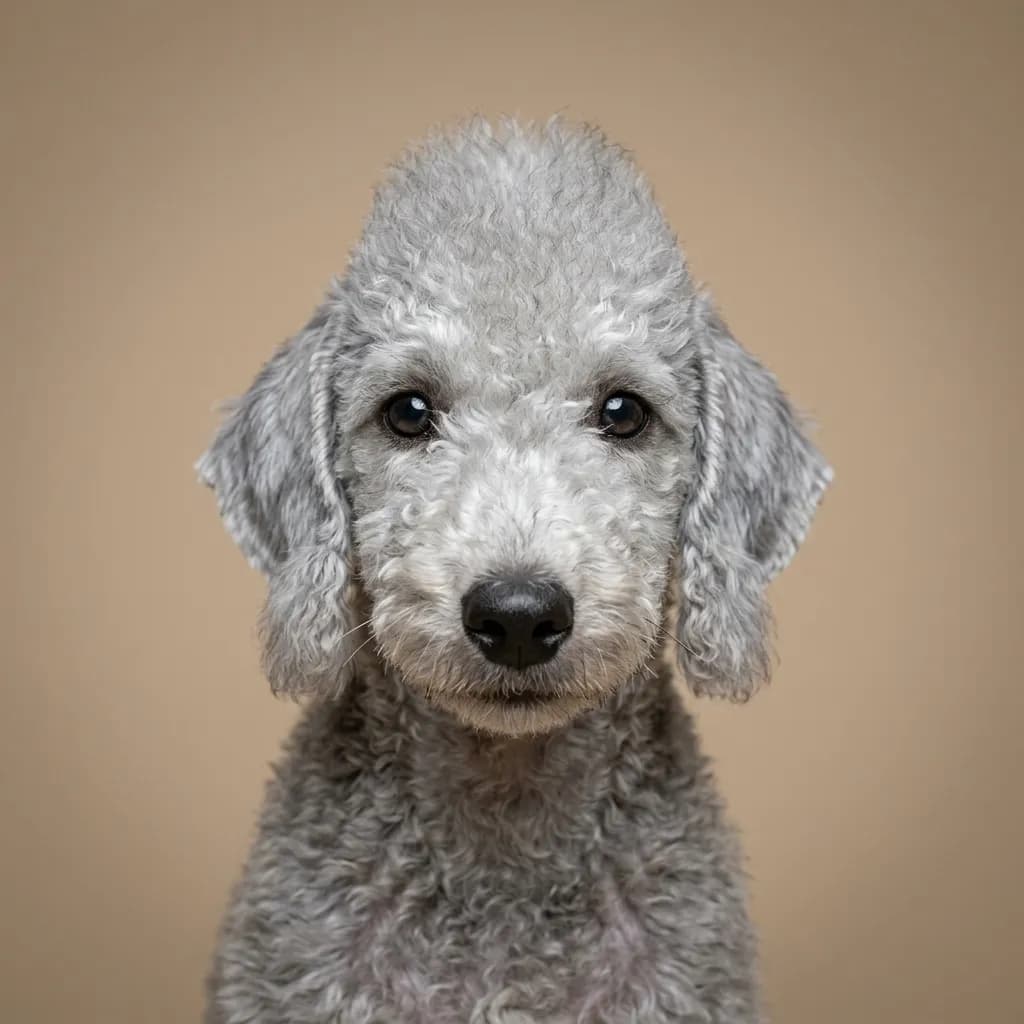
Medium Breeds
3-4 months
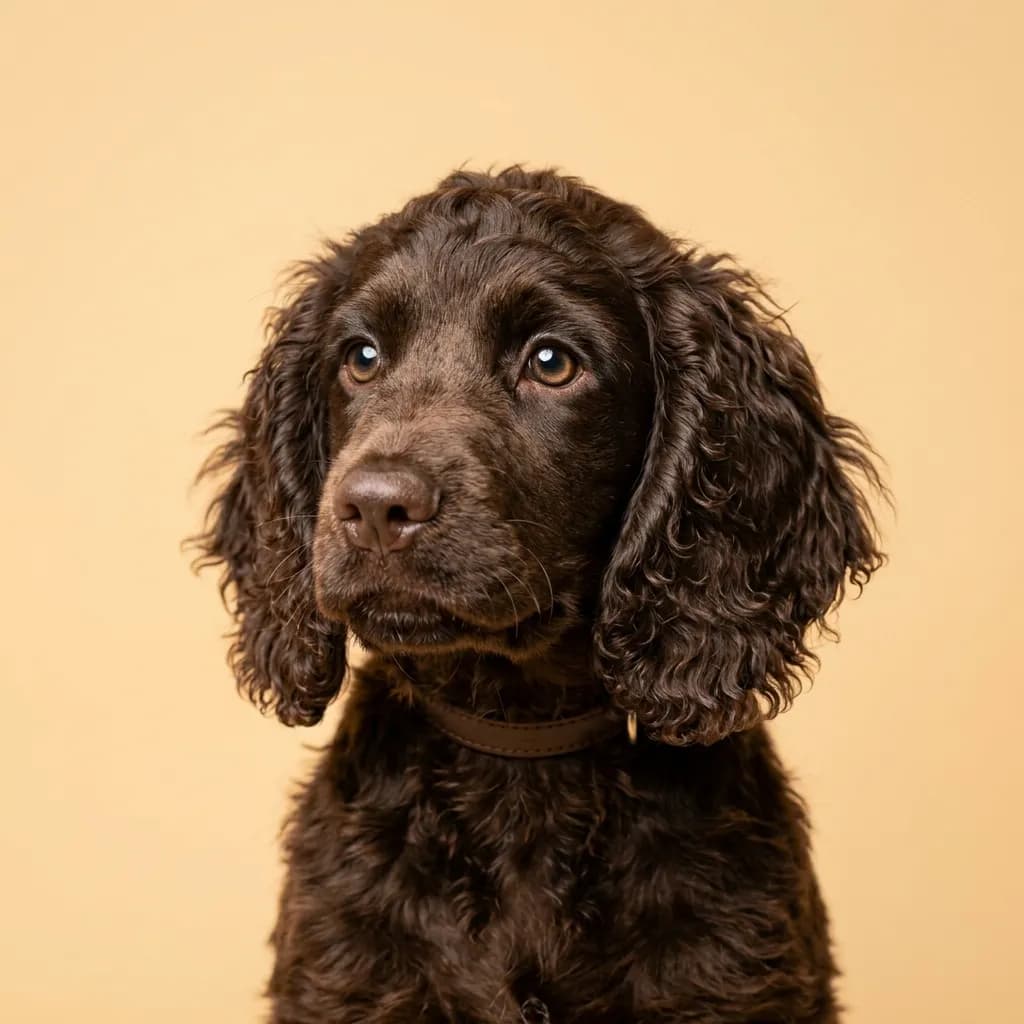
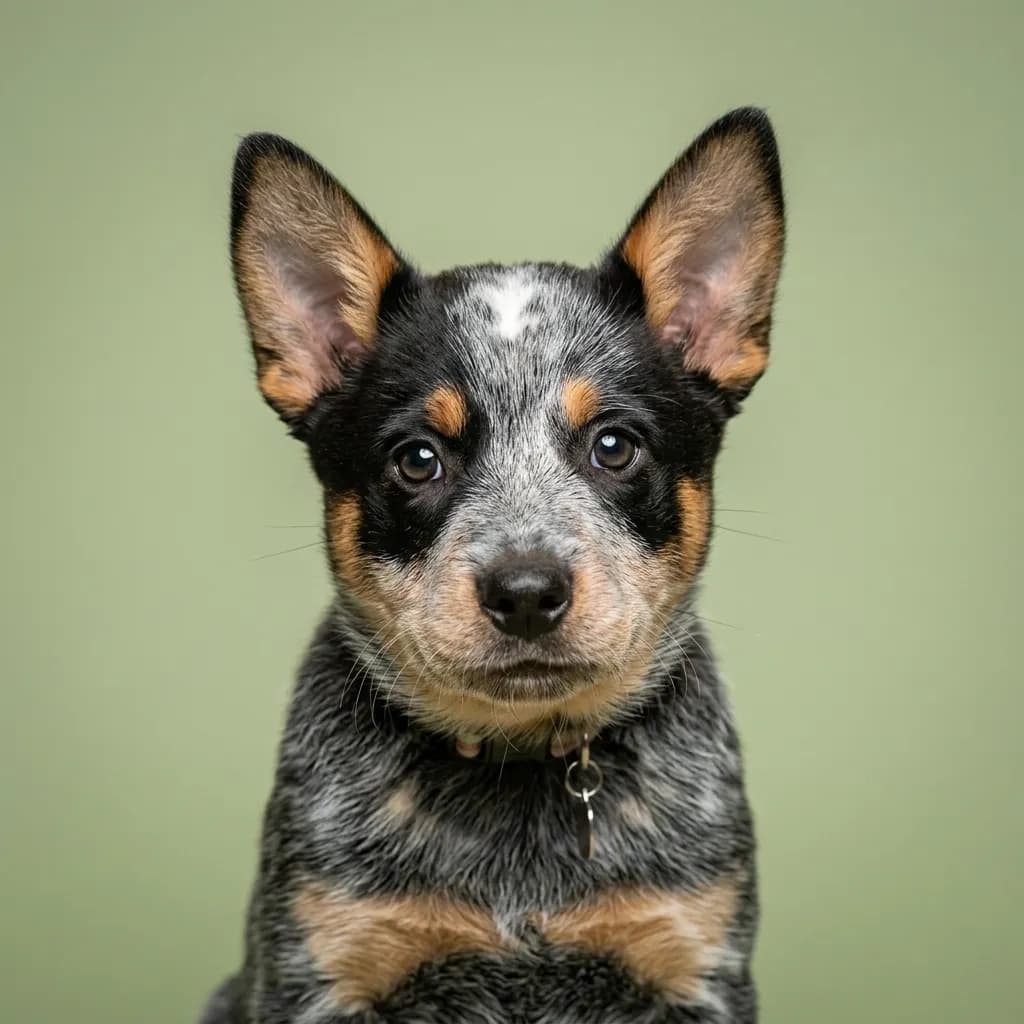
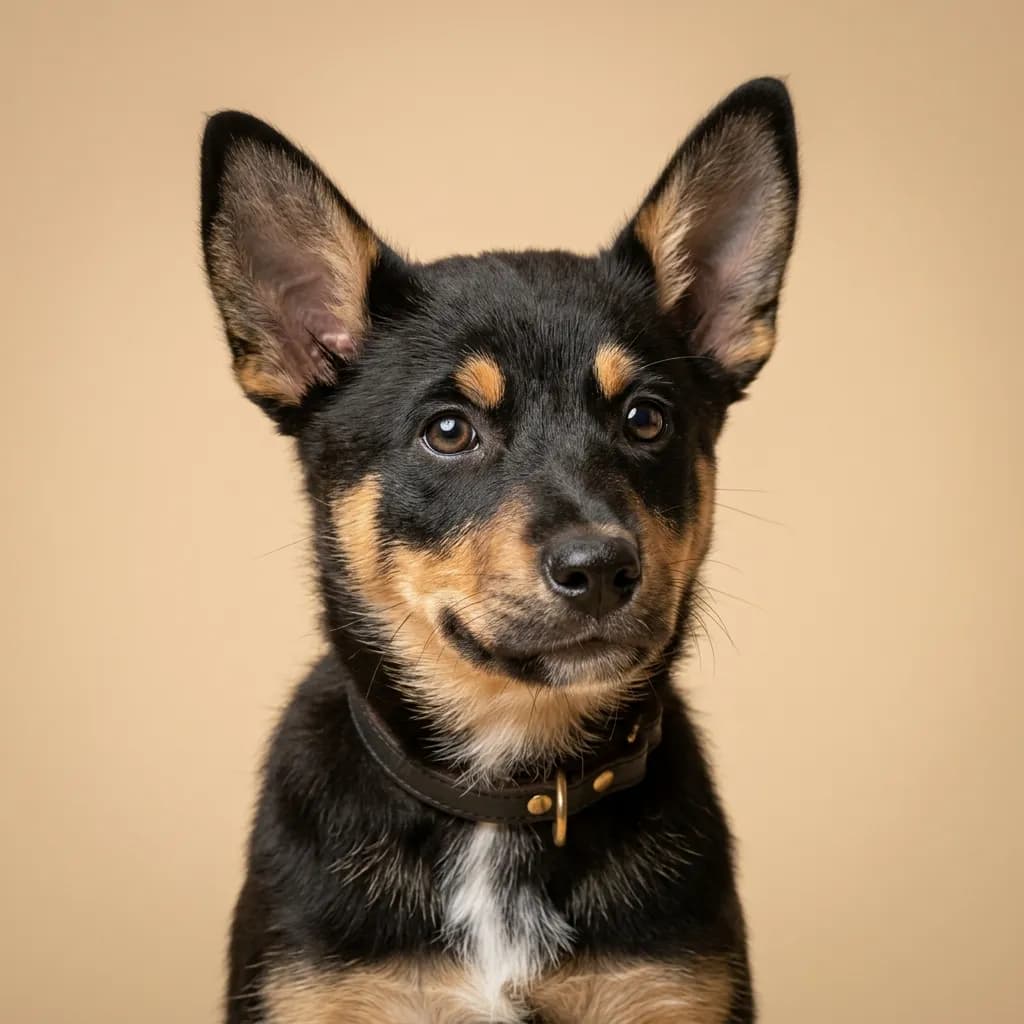
Large Breeds
2-3 months

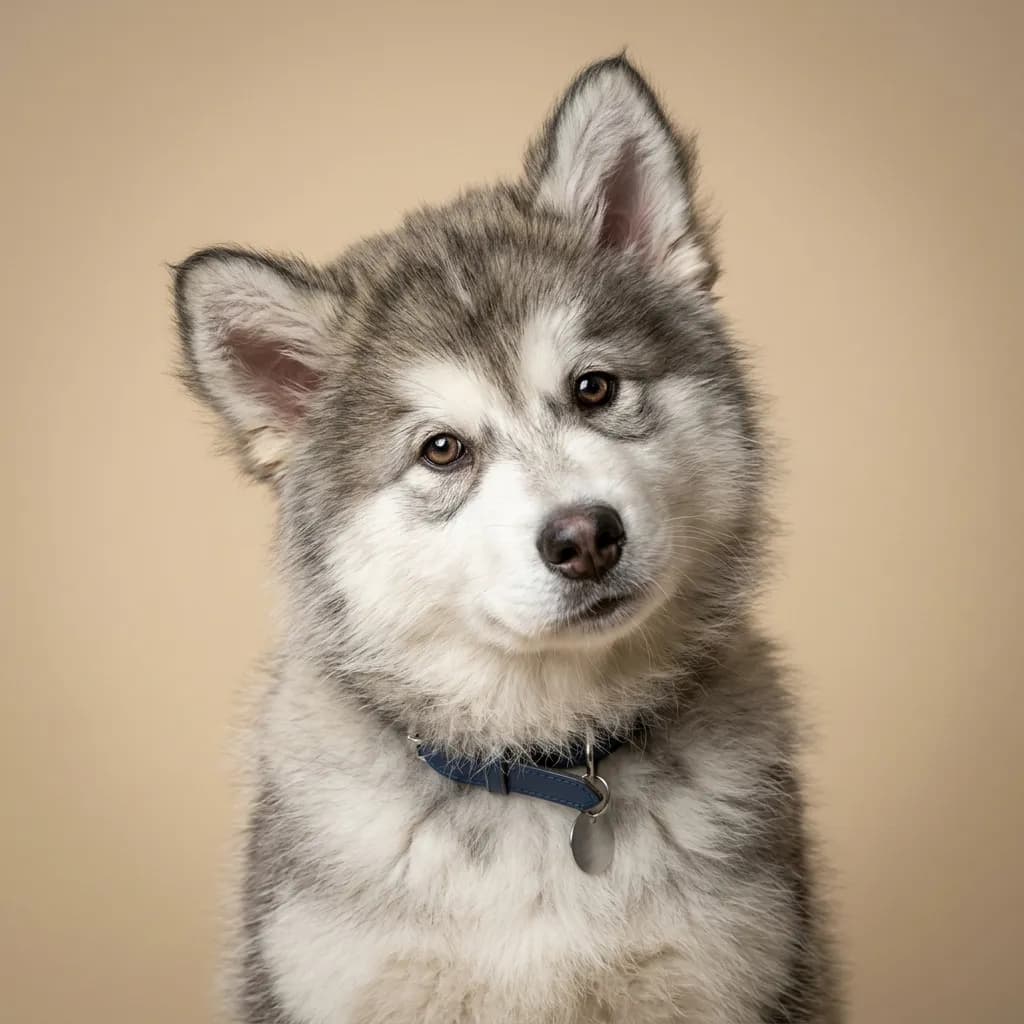
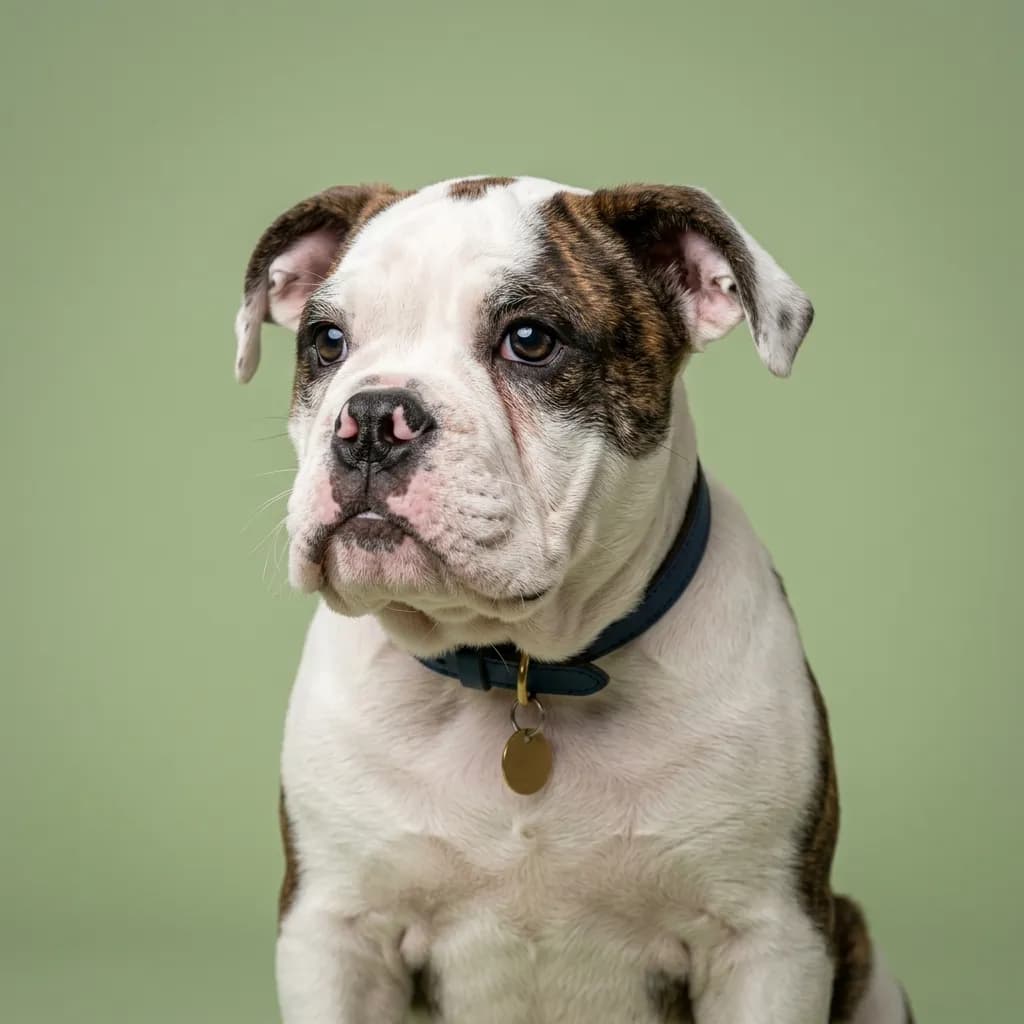
Giant Breeds
2-3 months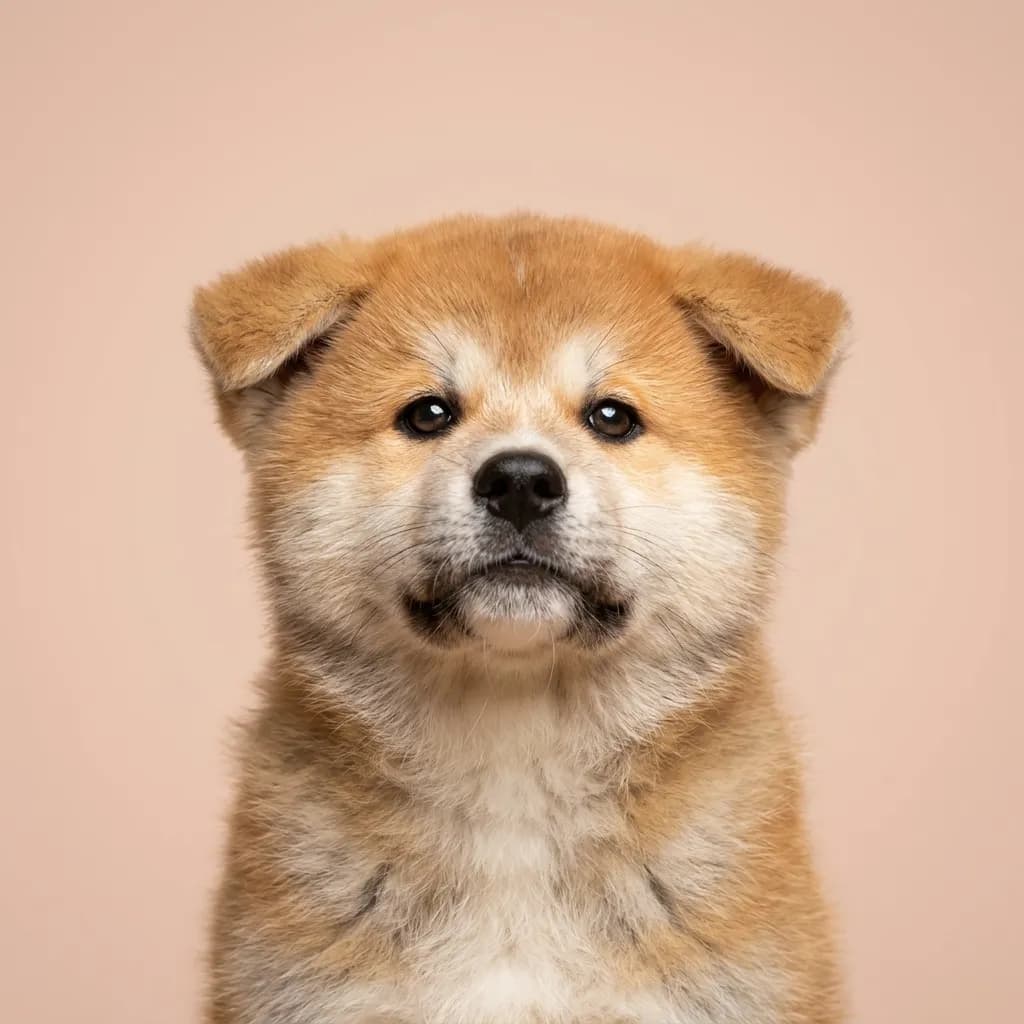

You don’t need more tabs open. You need one trustworthy source.
Tell us your breed and your puppy’s age. We’ll tell you exactly what to focus on this week. One email. One priority. That’s it.
Tell us your breed and your puppy’s age. We’ll send you exactly what to work on this week.