Puppy Socialization
The critical window, what to expose them to, and how to do it safely.
The first few months with a new puppy are exhausting. You’re up every two hours with potty breaks, chewed shoes are just part of life, and you’re Googling “why is my puppy biting everything” at 3 a.m. But out of everything you’ll do during this whirlwind phase, one thing matters more than all the rest: socialization. It’s not just another task on the list. It’s the foundation of your dog’s entire life.
Why Socialization Is the Most Important Thing You Do
You can teach a dog to sit at any age. You can work on leash manners, recall, or even tricks later. But you cannot recreate the window when your puppy’s brain is primed to accept new experiences without fear. From about 3 to 16 weeks, your puppy is biologically wired to learn what’s safe and what’s threatening. This is when they decide whether the world is a place to explore or something to fear.
If your puppy misses this window or has mostly negative or limited experiences, the fallout can last a lifetime. Under-socialized dogs are far more likely to develop fear-based behaviors—lunging at strangers, barking at bikes, panicking during vet visits. You might hear people say, “Oh, he’s just shy,” but shyness that turns into avoidance or aggression isn’t cute. It’s stressful for everyone and limits what your dog can do and where you can go.
And no, you can’t fully fix it later. You can manage it with training and counter-conditioning, but it’s like building a house on cracked concrete. You’re always working against the foundation. If you do nothing else in the first few months, get this right. Socialization is not optional. It’s the single most important thing you’ll do for your dog’s long-term happiness and safety.
The Socialization Window
The prime time for socialization is between 3 and 12 weeks. This is when your puppy is most open-minded. They’ll meet a guy in a cowboy hat and think it’s just part of the adventure. By 12 weeks, their natural suspicion starts to kick in. That’s why the window extends to about 16 weeks—there’s still progress to be made, but it’s harder. After that, new experiences are more likely to register as threats.
For larger breeds, especially giant ones like Great Danes or Mastiffs, this window can shift slightly later. They mature slower in every way—physically, emotionally, neurologically. So don’t assume your 14-week Great Dane is “late” to the game. He might just need more time.
But here’s the tricky part: right in the middle of this critical period, your puppy hits their first fear imprint period—usually around 8 to 11 weeks. This is a normal developmental phase where sudden noises, unfamiliar people, or even a shadow can cause a strong reaction. It’s a balancing act. You have to keep introducing new things, but gently. A traumatic experience during this time can leave a lasting mark. So go slow, keep it positive, and never force your puppy into anything.
What to Socialize Your Puppy To
Socialization isn’t just about meeting other dogs. It’s about building confidence in all areas of life. Start with people. Not just you and your family, but men, women, children, people wearing hats or sunglasses, people using wheelchairs or walking with canes. Dogs who only meet one "type" of person can develop fears of anyone who looks different. A puppy who never sees a man in a baseball cap may panic the first time they encounter one.
Expose your puppy to different dogs, too. Not just your friend’s calm golden retriever, but small dogs, big dogs, young ones, seniors. Puppy classes are ideal because they’re structured and require proof of vaccination. Let your pup learn how to play appropriately, back off when needed, and read dog body language.
Surfaces matter more than you think. If your puppy only walks on carpet and grass, stepping on a metal grate or tile floor later can be terrifying. Take them over different textures—gravel, wood chips, wet pavement, even a moving elevator if you can do it safely.
Sounds are huge. Play recordings of vacuums, thunderstorms, fireworks, doorbells. Start low and build up. A simple approach: make a playlist of household and city sounds and play it during playtime so the sounds are linked with fun.
Take them to different environments. Sit outside a coffee shop. Drive to a parking lot and let them look around. Visit the vet just to get treats—no exam, no poking. These “happy visits” build trust.
And don’t skip handling. Touch their paws, lift their lips, rub their ears. Practice wrapping them gently in a towel. This isn’t just about grooming. It’s about making vet exams, nail trims, and car rides less stressful for everyone.
How to Socialize Safely (Before Full Vaccination)
Yes, your vet probably told you to keep your puppy indoors until 16 weeks. But many vets are behind on this. The American Veterinary Society of Animal Behavior (AVSAB) has been clear for years: the risk of behavioral issues from under-socialization is greater than the risk of disease for most puppies in most environments.
That doesn’t mean you take your 9-week-old to the dog park. Avoid high-traffic dog areas, standing water, and places with known parvo outbreaks. But you can carry your puppy in a backpack to the farmer’s market. You can host friends with vaccinated dogs in your home. You can enroll in a reputable puppy class that requires up-to-date shots.
The key is control. You want positive, manageable experiences, not chaos. If you’re at a friend’s house and their dog is too rough, end the play session. If your puppy freezes at the sound of a truck, move farther away and try again later.
Signs of Good vs. Bad Socialization
A well-socialized puppy explores at their own pace. Their tail is relaxed or wagging, their body loose. They might hesitate, but they don’t tremble or try to bolt. If they get startled by a loud noise, they recover quickly—especially if you stay calm and offer a treat.
Bad socialization looks like stress. Whale eye (you see the whites), tucked tail, lip licking, freezing, or trying to hide. Forcing your puppy to “get over it” only makes it worse. One bad experience can undo weeks of progress.
Remember, it’s not about quantity. Five calm, positive interactions with different people beat 20 rushed, overwhelming ones. Go slow. Celebrate small wins. Let your puppy tell you when they’re ready for more.
Breed-Specific Considerations
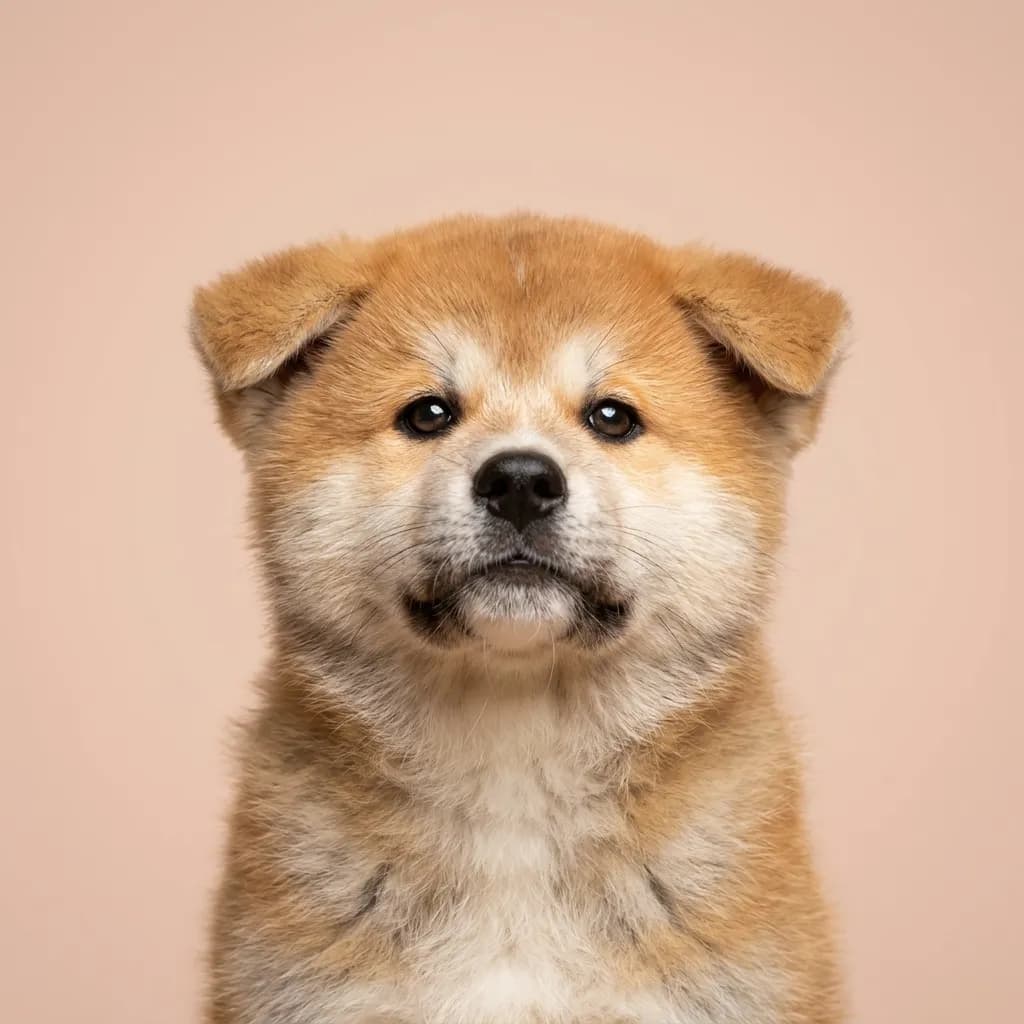
Not all puppies need the same approach. Guardian breeds like German Shepherds or Akitas are naturally wary of strangers. That doesn’t mean you should limit their exposure. It means they need more careful, consistent socialization with a wide variety of people.
Herding breeds—think Border Collies or Australian Shepherds—might nip at kids’ heels or try to “round up” other dogs. Start teaching polite play early so it doesn’t become a habit.
Toy breeds often get carried everywhere. They miss out on walking on different surfaces and learning to navigate crowds on their own. Let them walk, even if it’s just across the living room.
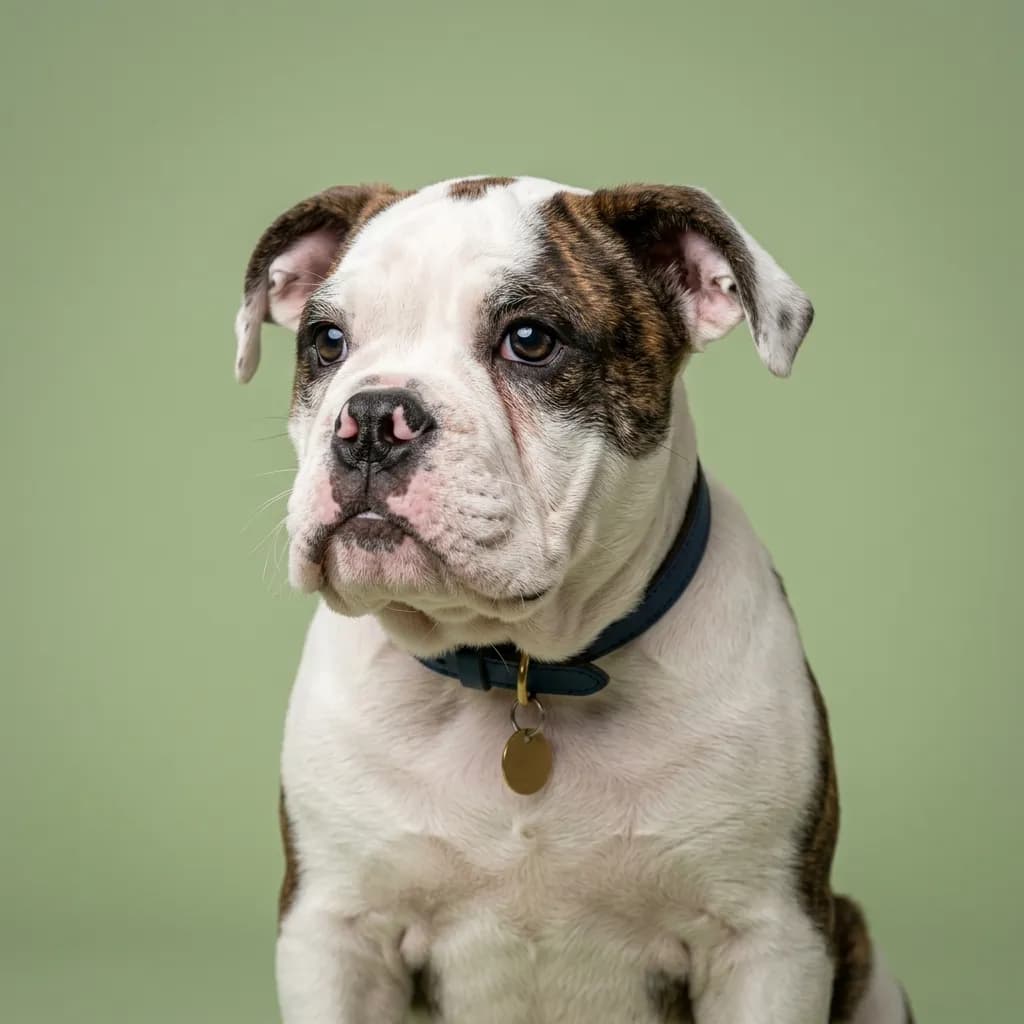
Bully breeds face extra challenges. Some people react with fear or hostility just because of the breed. Socializing your pup to remain calm around nervous strangers is part of the job.
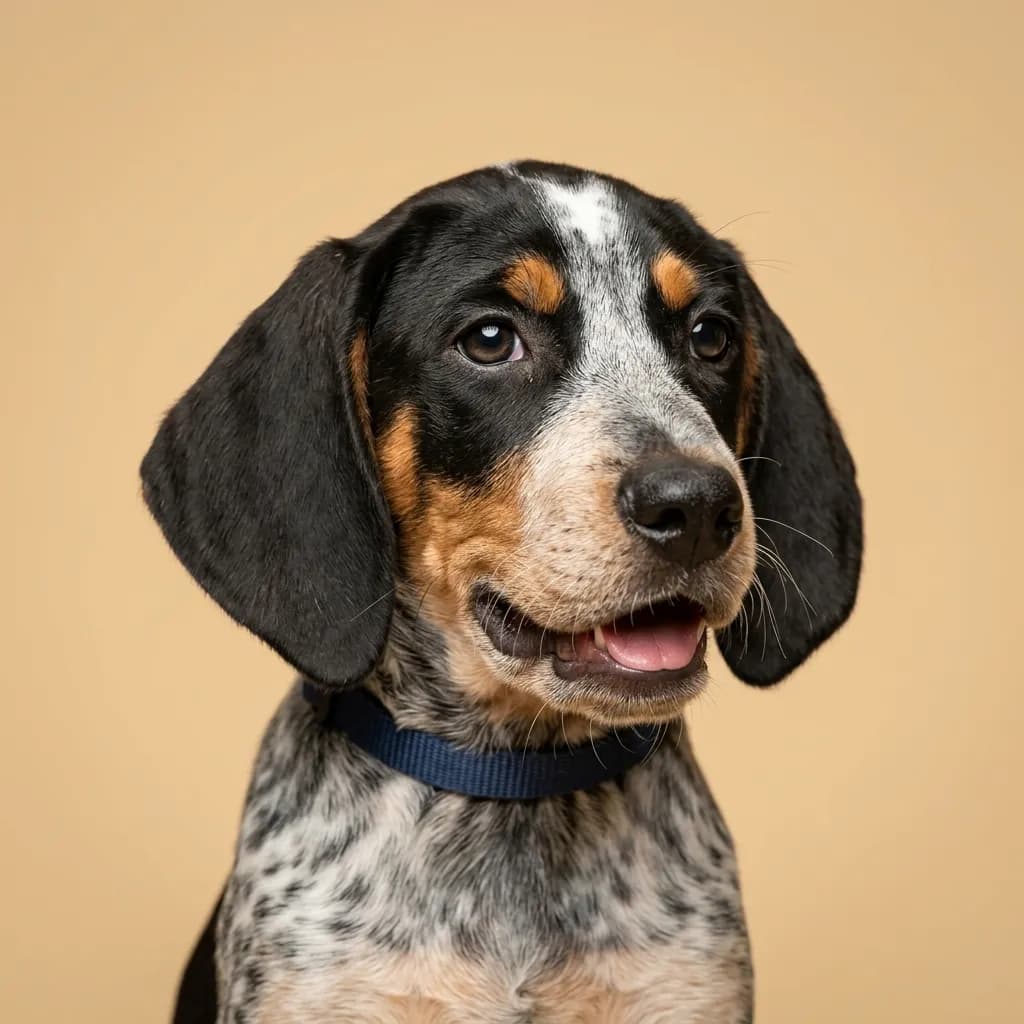
And for hounds like Beagles or Greyhounds, socialization with small animals needs to be controlled. Their prey drive is strong. You’re not trying to make them ignore squirrels, but you can teach focus and impulse control early.
No two puppies are the same. But every single one benefits from thoughtful, positive exposure during these early weeks. It’s not about turning them into social butterflies. It’s about giving them the confidence to handle whatever life throws their way.
Socialization Window by Breed Size
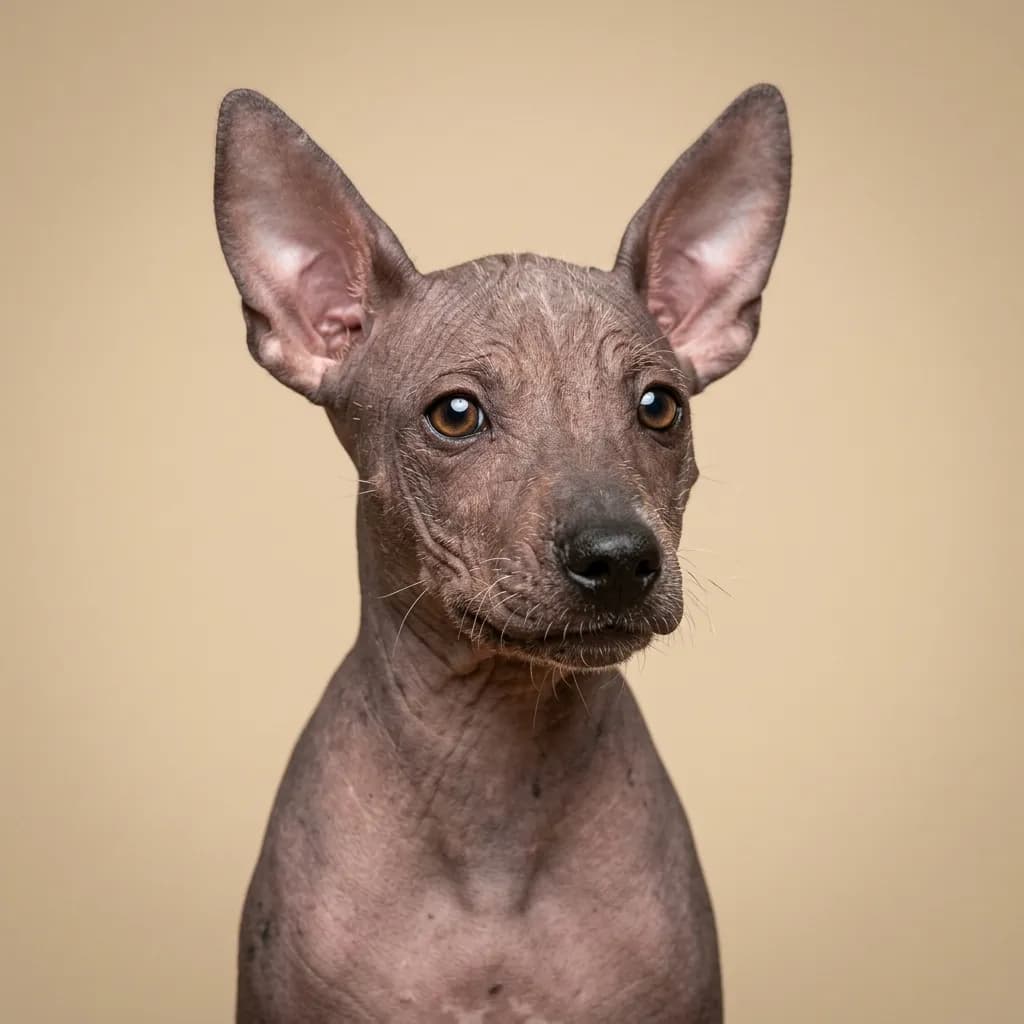
Small Breeds
3-12 weeksCritical socialization window runs from 3-12 weeks of age.




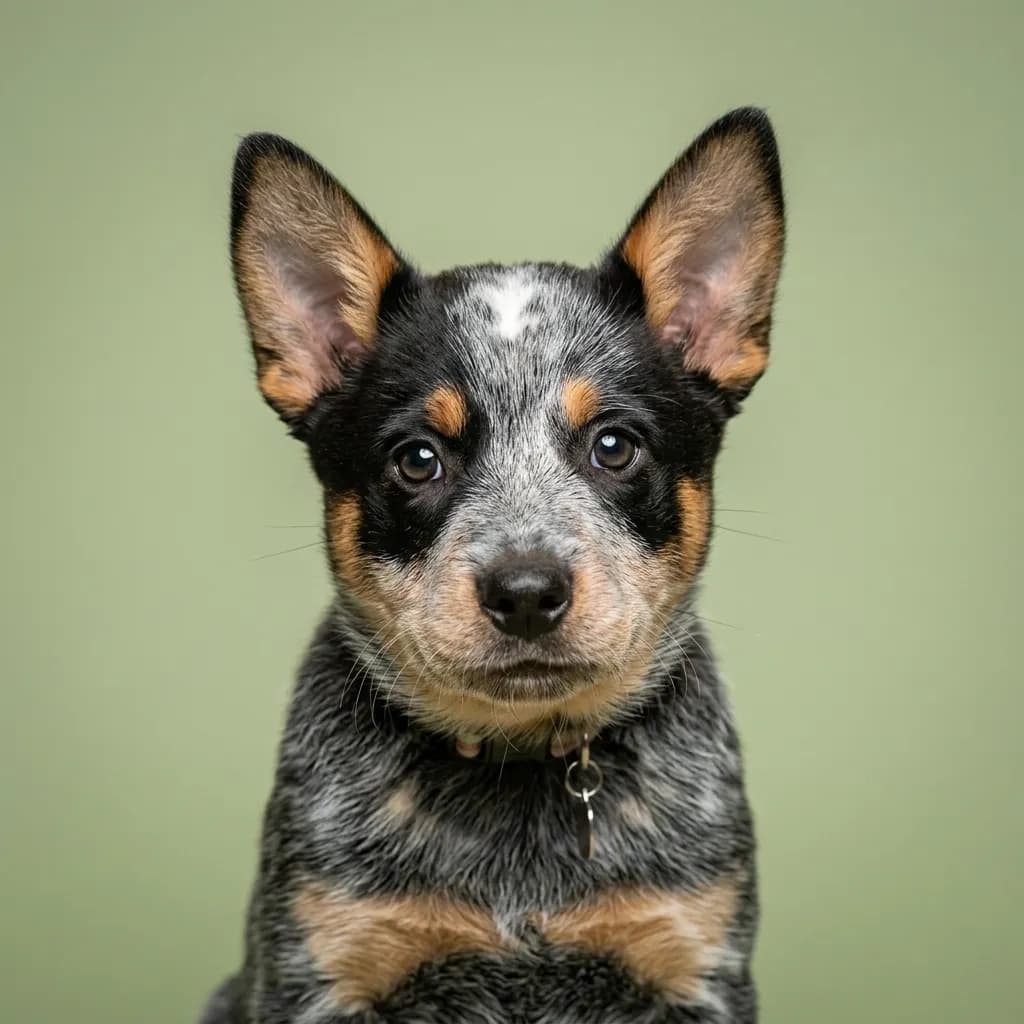
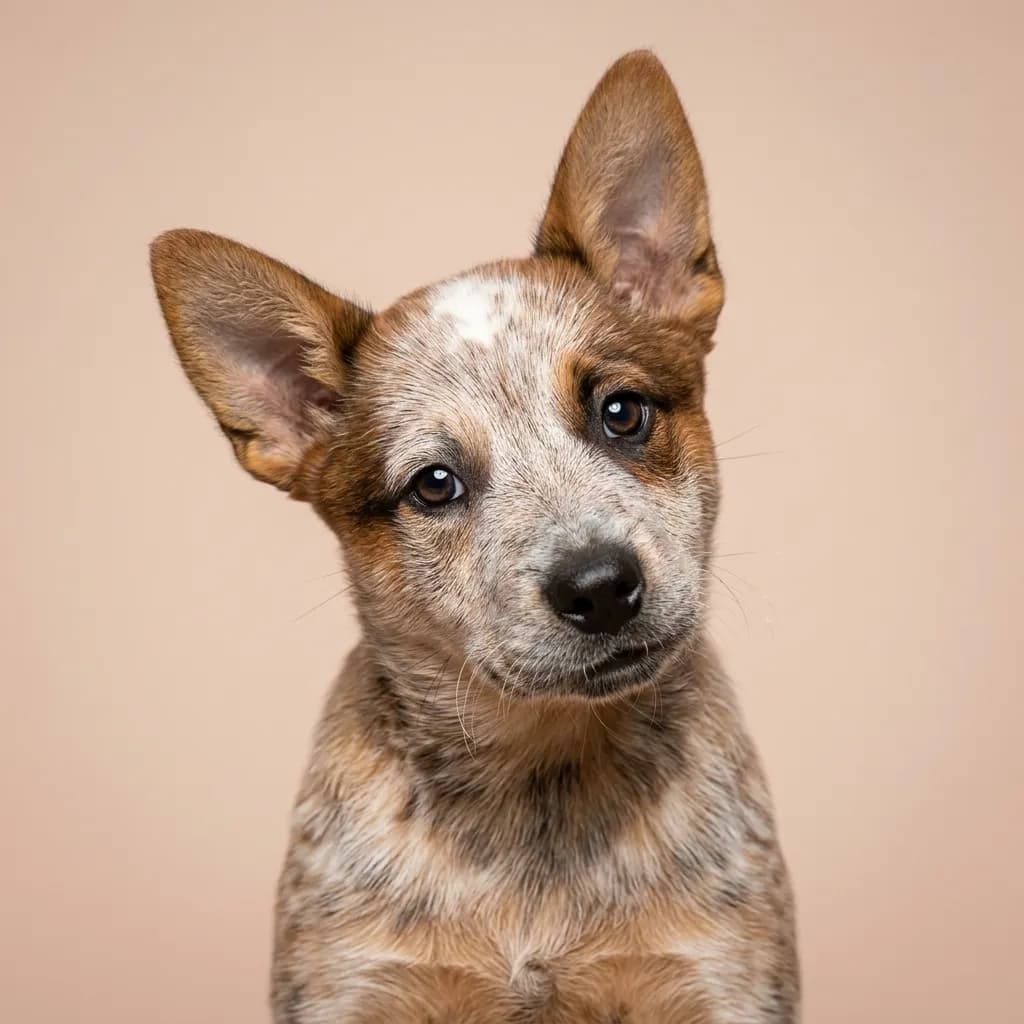
Medium Breeds
3-12 weeksCritical socialization window runs from 3-12 weeks of age.



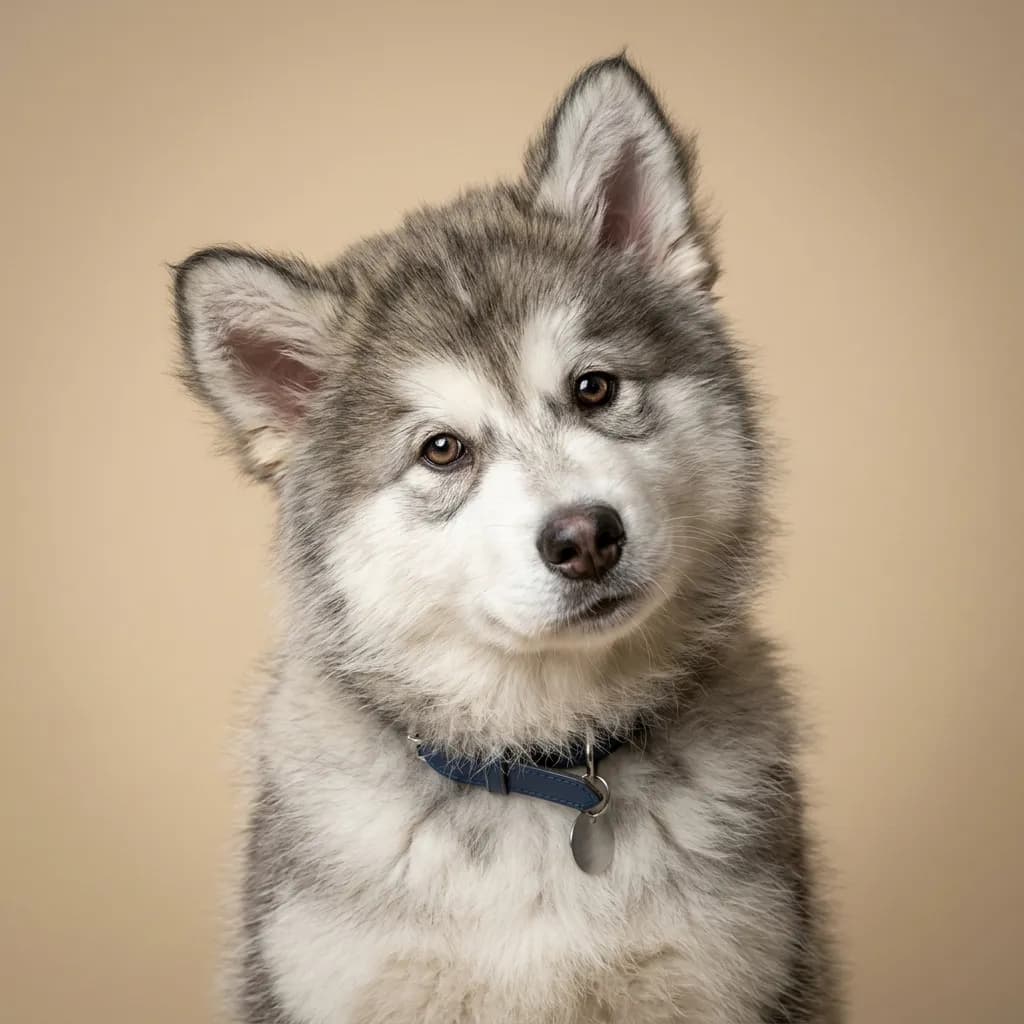
Large Breeds
3-12 weeksCritical socialization window runs from 3-12 weeks of age.


Giant Breeds
3-12 weeksCritical socialization window runs from 3-12 weeks of age.




You don’t need more tabs open. You need one trustworthy source.
Tell us your breed and your puppy’s age. We’ll tell you exactly what to focus on this week. One email. One priority. That’s it.
Tell us your breed and your puppy’s age. We’ll send you exactly what to work on this week.