Training Your Australian Kelpie
Rare breeds with varied backgrounds. Approach based on breed's country of origin and original purpose.
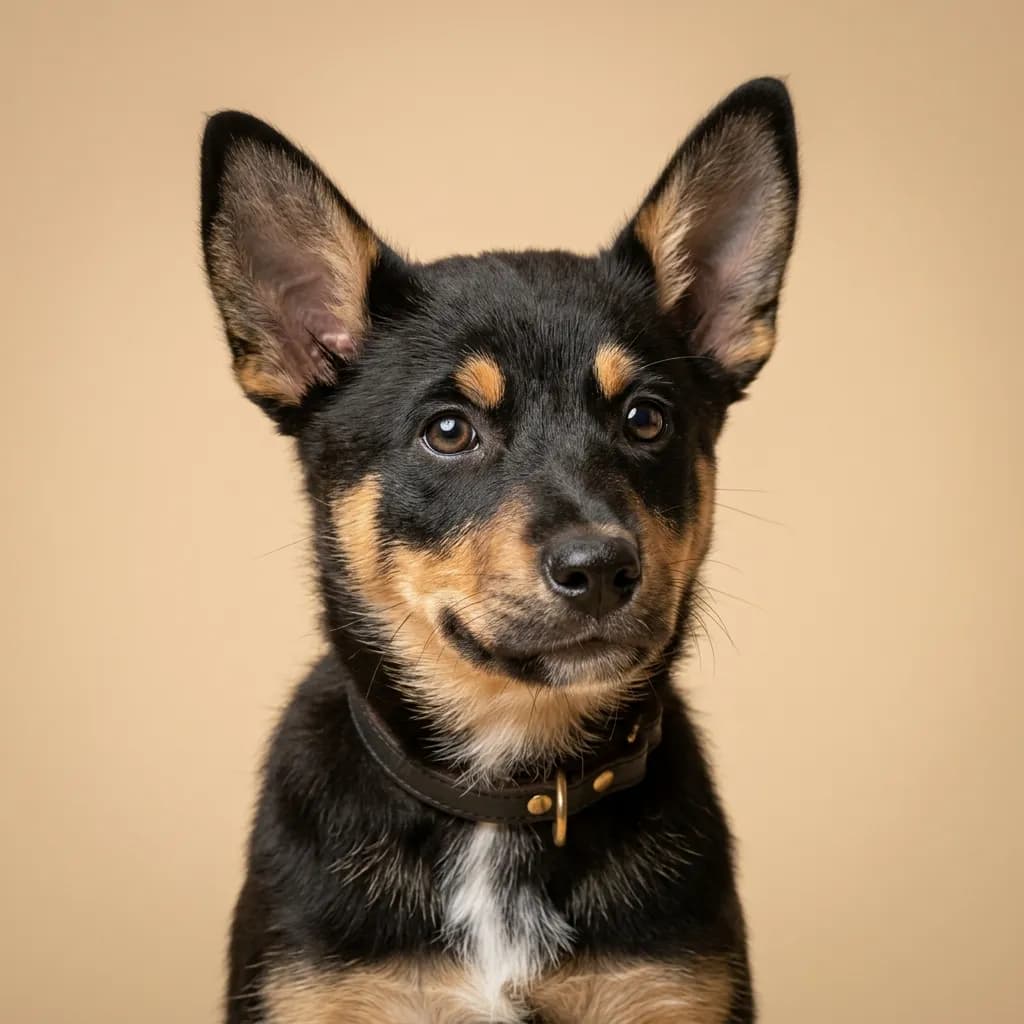
What Training a Australian Kelpie Is Actually Like
If you thought your Kelpie was a fast learner, you’re right—this breed picks up new commands in 15 to 25 repetitions, putting them solidly in Coren’s “Above Average” tier. But here’s the real deal: their intelligence isn’t just about obedience. It’s about problem-solving, observation, and a relentless drive to do something. Bred to work independently across the Australian outback, they’re not just smart, they’re wired to think for themselves. That means they’ll follow your lead when it makes sense to them—and challenge you when it doesn’t. Their loyalty and alertness make them deeply bonded and responsive to consistent handlers, but they’re not push-button dogs. You need to earn their cooperation. Expect high energy, intense focus, and a dog that gets bored fast if you’re repeating the same drill without purpose. If you’re not mentally engaged, they’ll find their own job—and it might involve nipping your kids, chasing the neighbor’s cats, or dismantling your backyard. This isn’t a breed that does well with half-hearted training. They need structure, clarity, and a job to do.
Training Timeline
Start training the day you bring your Kelpie home at 8 weeks. Their socialization window is tight—weeks 3 to 12—so prioritize exposure to new people, surfaces, sounds, and dogs during this time. By 12 weeks, they should be comfortable with handling, basic name recognition, and simple cues like “sit” and “come.” Around 5 months, adolescence kicks in and their independence spikes. You’ll see testing behaviors, selective hearing, and increased energy. This lasts until about 14 months. At 8 months, they enter their second fear period (weeks 32–40), so avoid forcing scary situations and focus on confidence-building. Use positive reinforcement to navigate new experiences. By 9 months, they’re mentally mature enough to handle complex tasks, but their physical and emotional maturity lags. Stick to short, focused sessions. Continue refining obedience and start sport-specific or herding training if that’s your goal. Consistency through adolescence is key—slacking now leads to a strong, smart dog with zero manners.
Breed-Specific Challenges
First, their independence. Kelpies were bred to make decisions without human input, so they might ignore a recall if something more interesting is happening. That’s not defiance—it’s genetics. Second, their intense herding instinct. They’ll chase bikes, kids, and other pets, and may nip at heels without warning. Early management and training are non-negotiable. Third, their need for mental stimulation. Without at least 60–90 minutes of active work daily, they’ll default to destructive behaviors. Puzzle toys aren’t enough—they need purpose. Finally, their sensitivity to correction. Harsh methods shut them down fast. They respond best to clear, fair leadership and positive reinforcement.
What Works Best
Use an adaptive mixed approach—blend positive reinforcement with structured tasks that mimic their original work. Keep sessions short, 5–10 minutes, 2–3 times a day. They burn out fast if overtrained. Reward with movement, play, and praise as much as treats. A thrown ball or a quick game of tug often works better than kibble. Focus on engagement and precision. Introduce off-leash work early, but only in secure areas, and layer in distractions slowly. High-value rewards are essential during adolescence when their attention wanders. Train with their energy, not against it—channel it into agility, treibball, or herding trials. They thrive on challenges that make them think and move.
Crate Training Your Australian Kelpie
A full-grown Australian Kelpie averages 42 pounds and stands about 17 inches tall, so aim for a 36-inch crate to give them room to stretch without extra space that encourages potty accidents. If you’re starting with a puppy, use a crate with a divider—puppies grow fast but need boundaries early. A too-big crate lets them soil one end and sleep in the other, which slows house training. Adjust the divider every few weeks as they fill out.
Kelpies are intelligent and alert, which means they can learn crate routines quickly, but their 5/5 energy makes patience essential. They don’t settle the way a Labrador might. Expect some initial protest if the crate feels like confinement rather than a den. Make the crate a positive space with frozen Kongs or chew toys—this breed needs mental work as much as physical. A tired Kelpie may nap after a session, but an under-exercised one will bark or paw at the crate bars.
Don’t crate them longer than 4 hours at a time past 6 months, even if they’re quiet. Their high drive means prolonged confinement leads to frustration, not rest. Puppies under 6 months shouldn’t be crated more than 2-3 hours due to bladder control limits.
Watch for chewing on crate pads or fabric liners—Kelpies are mouthy, especially as puppies. Use indestructible pads or no bedding at all. Some will dig at the crate floor out of boredom, so tire them first with off-leash sprinting or herding drills if possible. Avoid plastic crates; wire crates with a cover on three sides feel more den-like and reduce visual overstimulation.
Use a mix of positive reinforcement and consistency. These dogs respond to structure but hate repetition without purpose. Keep training sessions short but daily, and never use the crate as punishment. A Kelpie who sees the crate as their choice will use it willingly, even as an adult.
Potty Training Your Australian Kelpie
Australian Kelpies are medium-sized dogs, averaging around 42 pounds, which gives them a decent bladder capacity for their age, but don’t let that fool you—potty training still takes consistency. Puppies this size usually need to go every 2-3 hours during the day, and you can expect them to hold it longer as they grow, reaching about 8 hours by 6-7 months. That said, Kelpies are intelligent and rank in Coren’s third tier for working dog smarts, meaning they learn fast—usually in 15 to 25 repetitions. But here’s the catch: they’re not just eager to please, they’re also independent thinkers. That means they’ll pick up your routine quickly, but they might also test boundaries if they sense inconsistency.
Because they’re so alert and active, Kelpies can get mentally distracted during potty breaks, especially in stimulating environments. They’re not like scent hounds who get lost in smells, but they will focus on birds, movement, or activity instead of doing their business. That means potty training success hinges on structured, quiet outings—same spot, same routine, minimal distractions. Crate training works well because they’re clean dogs by nature and don’t like soiling their den, but don’t expect overnight perfection. A realistic timeline for a Kelpie to be reliably house-trained is 4 to 6 months with consistent effort. Some get it down in 12 weeks, but others take longer if you’re not firm with the schedule.
Rewards need to be timely and meaningful. Kelpies respond best to praise and play, not just food. A quick game of fetch or an enthusiastic “good job” after they go outside reinforces the behavior better than a treat alone. They’re motivated by engagement, so make it a moment. And don’t skip supervision—these dogs are clever enough to sneak a potty break behind the couch if left unsupervised too soon. Stay on top of the routine, and they’ll master it fast.
Leash Training Your Australian Kelpie
Leash training an Australian Kelpie isn’t about teaching them to follow quietly—it’s about redirecting an instinct to cover ground and manage movement. These dogs were bred to work all day across open terrain, circling, darting, and responding instantly to movement. That means loose-leash walking doesn’t come naturally. You’re not fighting bad behavior, you’re reshaping deeply wired instincts.
Start with a front-clip harness. At 42 pounds, they’re medium-sized but powerful, and their quick bursts of speed can jerk you off balance. A front-clip harness gives you more control without risking neck strain, especially since Kelpies are prone to sudden lunges at squirrels or bikes—thanks to that 5/5 energy and sharp prey drive. Skip the prong or choke collars; they’re unnecessary with a breed this intelligent and responsive, and you risk damaging trust.
Common leash issues include weaving ahead in tight figure-eights, pulling toward movement, and rapid pace changes. This isn’t defiance—it’s herding instinct. They’re used to positioning livestock, not walking in a straight line. Expect them to drift wide or swing around you, especially when excited. Correct it early with redirection, not punishment.
Use an adaptive mixed approach: positive reinforcement for attention and check-ins, paired with real-time corrections when they fixate. Keep sessions short and intense—10 minutes, twice a day—to match their stamina and focus. Practice in low-distraction areas first, then gradually add complexity.
Realistically, a well-trained Kelpie won’t walk like a Labrador. “Good” leash behavior means they stay within 4–5 feet of you, respond quickly to cues, and don’t lunge. They’ll still be alert and reactive, but they’ll look to you before reacting. Accept that this breed will always be aware of every bird, dog, and jogger within 100 yards. Your goal isn’t robotic obedience—it’s partnership.
“I just wish someone would tell me what to do and when to do it.”
Not generic puppy tips. Not a video course you’ll never finish. Just one email a week telling you exactly what to work on with your Australian Kelpie, at the age they are right now. Nothing to sift through. Nothing to figure out. Just this week.
Get Started — It’s FreeTell us your breed and your puppy’s age. We’ll send you exactly what to work on this week.
Socializing Your Australian Kelpie
You’ve got a Kelpie, so you’re working with a brainy, hyper-aware dog who was built to cover miles of open terrain and make split-second decisions. That means their socialization window from weeks 3 to 12 isn’t just important—it’s critical. And here’s the kicker: their first fear period, weeks 8 to 11, lands smack in the middle of that window. That’s when your puppy might suddenly spook at a plastic bag or freeze at a kid on a bike. Don’t pull back. Keep exposing them gently, positively, and consistently. This is when their baseline confidence is set.
Kelpies were bred to herd sheep over vast, isolated stretches of outback, so they’re naturally wary of anything unfamiliar, especially fast-moving objects and unpredictable motion. That means you need to flood their early months with exposure to children, cyclists, skateboards, loud vehicles, and sudden movements. Not just once or twice—repeated, positive experiences. A backyard isn’t enough. Take them everywhere safe: parks, parking lots, outdoor cafes, school pickup lines. Let them see the world while they’re still sponge-like.
Where people mess up with Kelpies is assuming their loyalty and intelligence mean they’ll “figure it out” on their own. They won’t. Skip proper socialization and you’ll end up with a dog that’s glued to your side, barking at joggers, or trying to herd your guests. Their alertness turns into reactivity. Their loyalty becomes overprotectiveness.
Do it right, and by 9 months—when they’re mentally mature—you’ve got a dog who’s tuned in, steady under pressure, and still sharp enough to learn anything. But if you miss those early months, you’re not just fixing fears. You’re undoing deep-seated instincts. And that’s a long road. Socialization isn’t optional for a Kelpie. It’s part of their job description.