Training Your Australian Stumpy Tail Cattle Dog
Rare breeds with varied backgrounds. Approach based on breed's country of origin and original purpose.
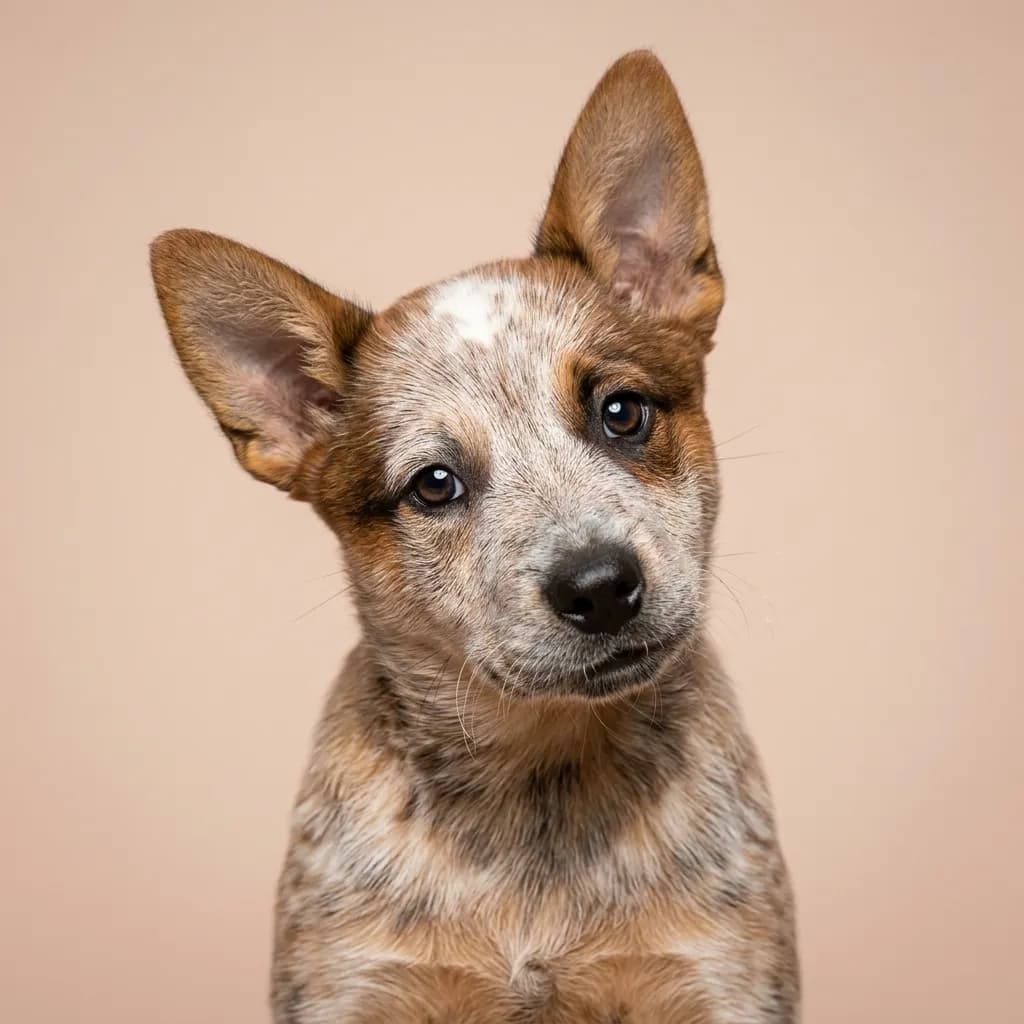
What Training a Australian Stumpy Tail Cattle Dog Is Actually Like
Training a Stumpy isn’t about dominance or endless repetition. It’s about channeling sharp awareness and independent thinking into useful skills. These dogs are alert and quick to notice changes in their environment, which makes them brilliant at their original job—moving cattle across vast, unpredictable terrain. But that same awareness means they’ll test boundaries if training lacks consistency. They fall into Coren’s Tier 4, meaning they typically need 25 to 40 repetitions to learn a new command, and first-time obedience sits around 50%. So don’t expect instant compliance. They’re trainable but not eager-to-please like a Border Collie. They’ll do the work, but they want to understand the purpose. Mental stimulation is critical—neglect it and they’ll invent their own jobs, like digging or herding your kids off the porch.
Training Timeline
Start training at 8 weeks. This is non-negotiable. The socialization window closes at 12 weeks, and missing it risks a dog that’s overly suspicious of strangers or new environments. By 16 weeks, introduce basic off-leash work in secure areas—recall is a must, given their prey drive. At 32 to 40 weeks, expect a second fear period. A dog that once ignored thunder may flinch at a dropped spoon. Regressions in obedience are normal. Stay calm, avoid forcing interactions, and reinforce known cues gently. Adolescence kicks in around 5 months and lasts until 14 months, with peak pushiness between 8 and 12 months. This is when their herding instincts fully activate—they’ll try to round up bikes, toddlers, even chickens you don’t own. Stick to structured work; let them burn energy with purpose. Maturity hits around 9 months, but true emotional stability often doesn’t settle until 18 months.
Breed-Specific Challenges
First, their independence. They were bred to make decisions miles from human input, so they’ll sometimes ignore a command if they’ve got a “better” idea. Second, their high energy—rated 5/5—needs daily outlets. Without it, they’ll develop compulsive behaviors like fence-chasing or obsessive licking. Third, they’re not always dog-social. Early and ongoing exposure to other dogs is essential, or same-sex aggression can emerge later. And fourth, their sensitivity during fear periods means trauma from harsh training can stick for life. A heavy hand or loud correction at 36 weeks might cause lasting distrust.
What Works Best
Use an adaptive mixed approach—combine structure with room for problem-solving. Sessions should be short, 10 to 15 minutes, and change location often to build focus in distraction. Given their origins in Australian stock work, practical tasks trump obedience drills. Teach “move,” “stay,” and “come” in the context of moving a ball across the yard, not just in the living room. Reward with movement, play, or access to work—these often mean more than food. Use food early on, then shift to life rewards like chasing a flirt pole after a solid recall. Pace training to match their development—push too hard during adolescence and you’ll backslide. Stay consistent, respect their intelligence, and you’ll earn a dog who’s not just trained, but truly tuned in.
Crate Training Your Australian Stumpy Tail Cattle Dog
For an Australian Stumpy Tail Cattle Dog, start with a 36-inch crate. These dogs average around 38 pounds but are compact and muscular, so they need space to stand and turn without being oversized. Use a divider from the start—puppies grow fast, and a crate that’s too big can encourage potty accidents or overstimulation. A properly sized section keeps it den-like and secure.
Don’t expect quick acceptance. These dogs are alert and comical, but their high energy and independent streak mean they’ll test the crate. They don’t settle easily at first; they’ll bark or paw at the door if they feel isolated. That’s normal. Their trainability is moderate—3 out of 5—so consistency is key. They’ll learn fast if you’re firm and positive, but they’ll also notice if you’re wishy-washy. Use their natural desire to please, but don’t underestimate their stubborn side.
Adult Stumpies can handle 4 to 6 hours crated with no issues, but puppies? Max out at 2 hours until they’re 6 months old. Their separation tolerance builds slowly. These dogs bond tightly to their people and can develop anxiety if rushed. Never crate them longer than they can handle—overcrating leads to pent-up energy and destructive behavior, even in the crate.
Breed-specific quirks? Yes. They’re mouthy. Puppies will chew crate pads, blankets, even the plastic tray if bored. Use chew-proof pads or skip soft bedding altogether until they mature. They may dig at bedding or circle obsessively before lying down—part of their working drive. Tiring them out with 30 minutes of focused activity before crating helps a lot.
Skip long sessions. These dogs do better with multiple short crate exposures throughout the day rather than one long stretch. And always pair the crate with something positive—a frozen kong stuffed with peanut butter, not just kibble tossed in. Make it a retreat, not a punishment. With this breed, the crate works best when it’s part of the rhythm, not a last resort.
Potty Training Your Australian Stumpy Tail Cattle Dog
Australian Stumpy Tail Cattle Dogs are medium-sized at around 38 pounds, so their bladder capacity develops faster than toy breeds but still needs time. Puppies this size typically can’t hold it more than an hour per month of age early on, so a 10-week-old pup needs a break every 2 hours. Expect to be very consistent for the first 4-5 months, especially since their trainability is average—3 out of 5. They’re not stubborn like some independent breeds, but they’re not eager-to-please spaniels either. They’ll learn fast if the task makes sense to them, but they’ll also question repetition. You’ll need 25 to 40 repetitions to really solidify a behavior, so consistency is non-negotiable.
Their alert and comical temperament works in your favor—they’re observant and quick to pick up on routines, which helps with potty training. But they’re also easily engaged by their surroundings. Take them out, and they’ll be more interested in scanning the yard for birds or chasing shadows than actually going. Keep potty trips short, structured, and boring—no play, no exploration. Just work. Then reward immediately after elimination with something high-value, like small bits of chicken or cheese. They respond best to food rewards early on, not just praise. Once they link the action to the reward, they’ll start offering it more consistently.
Realistically, most Stumpies are reliably house-trained by 6 to 8 months, though occasional slip-ups can happen until they’re a year old, especially during changes in routine. One breed-specific challenge is their instinct to patrol. They may prefer pottying around the perimeter of the yard instead of a designated spot, so you’ll need to guide them to one consistent area from the start. Crate training is essential—don’t skip it. They’re clean by nature and won’t soil where they sleep, so use that to your advantage. Stick to a tight schedule, manage their access, and reward smartly, and you’ll get there.
Leash Training Your Australian Stumpy Tail Cattle Dog
Leash training an Australian Stumpy Tail Cattle Dog isn’t about achieving perfection—it’s about managing a 38-pound dynamo built for covering miles on rugged terrain. These dogs were bred to move cattle across open country, so they’re wired to go hard and stay alert. That means loose-leash walking is possible, but expect some forward momentum. A front-clip harness is your best friend here. At 38 pounds, they’re strong enough to power-walk through a collar, and their short coat doesn’t protect the neck well during sudden tugs. A harness spreads pressure and gives you control without risking tracheal irritation.
Their 5/5 energy means leash work needs to happen after exercise, not before. A tired Stumpy is more likely to listen. Prey drive is moderate—less than a sighthound but enough that squirrels or birds will reset their focus instantly. You’ll see sudden lunges or hard pivots, especially in new environments. That herding instinct also shows up in weaving patterns—circling ahead or behind you, testing boundaries like they’d contain livestock. It’s not defiance, it’s function. They’re scanning, adjusting, working.
Common issues? Pulling, yes, but more specifically, anticipatory pulling—ramping up tension before they even see a trigger. They’re so alert that they’re already reacting to distant movement you haven’t noticed. Trainability is mid-range at 3/5, so consistency matters more than repetition. Use adaptive mixed methods: positive reinforcement for focus, but clear corrections when they test. Marker training helps—they’re comical and quick to pick up on cues when engaged.
Realistic expectations? A well-trained Stumpy won’t stroll like a retired greyhound. Good leash behavior means they check in every 10–15 feet, respond to redirection, and walk without constant pulling. Some tension is normal. Aim for cooperation, not passivity. This dog was made to cover ground, not dawdle. Work with that, and you’ll both enjoy the walk more.
“I just wish someone would tell me what to do and when to do it.”
Not generic puppy tips. Not a video course you’ll never finish. Just one email a week telling you exactly what to work on with your Australian Stumpy Tail Cattle Dog, at the age they are right now. Nothing to sift through. Nothing to figure out. Just this week.
Get Started — It’s FreeTell us your breed and your puppy’s age. We’ll send you exactly what to work on this week.
Socializing Your Australian Stumpy Tail Cattle Dog
You’ve got a narrow window with a Stumpy, and you need to move fast. Their socialization period runs from weeks 3 to 12—standard—but here’s the kicker. That overlaps almost exactly with their first fear period, weeks 8 to 1 prepared and start exposing your puppy to new things the day you bring them home. These dogs were bred to work cattle across vast, unpredictable terrain. They’re alert by nature and suspicious of anything out of the ordinary. That’s useful when you’re reading a herd, but it’s a liability if your dog freaks out every time a bike goes by.
Stumpies need heavy, consistent exposure to children, strangers, and novel environments. Not just “seeing” them, but associating them with good things. Kids especially—because of their herding instinct, a Stumpy can misread fast, erratic movement as a challenge or prey drive trigger. If you don’t condition them early, that comical playfulness turns into reactive snapping or chasing. Same with vehicles, loud noises, and anything that disrupts their sense of control.
They’re naturally wary of sudden movement and unfamiliar people. Don’t force interactions. Instead, use distance and rewards. Let them observe from a safe space, then reward calm behavior. The mistake most owners make is assuming their puppy’s quiet reserve means they’re “fine.” That’s not calmness—that’s assessment. And if you skip proper socialization, by 9 months—when they hit maturity—that wariness hardens into reactivity. You’ll end up with a highly trainable dog who shuts down or lunges at the vet, or won’t let guests in the house.
I’ve seen too many Stumpies become single-person guard dogs because their owners didn’t push varied exposure. The trainability is there, but it’s double-edged. They learn fast—good and bad. So make sure the first lessons are about confidence, not caution.