Training Your Basenji
Independent thinkers bred to work ahead of handlers. Scent hounds follow their nose; sight hounds follow movement. Requires patience and high-value rewards.
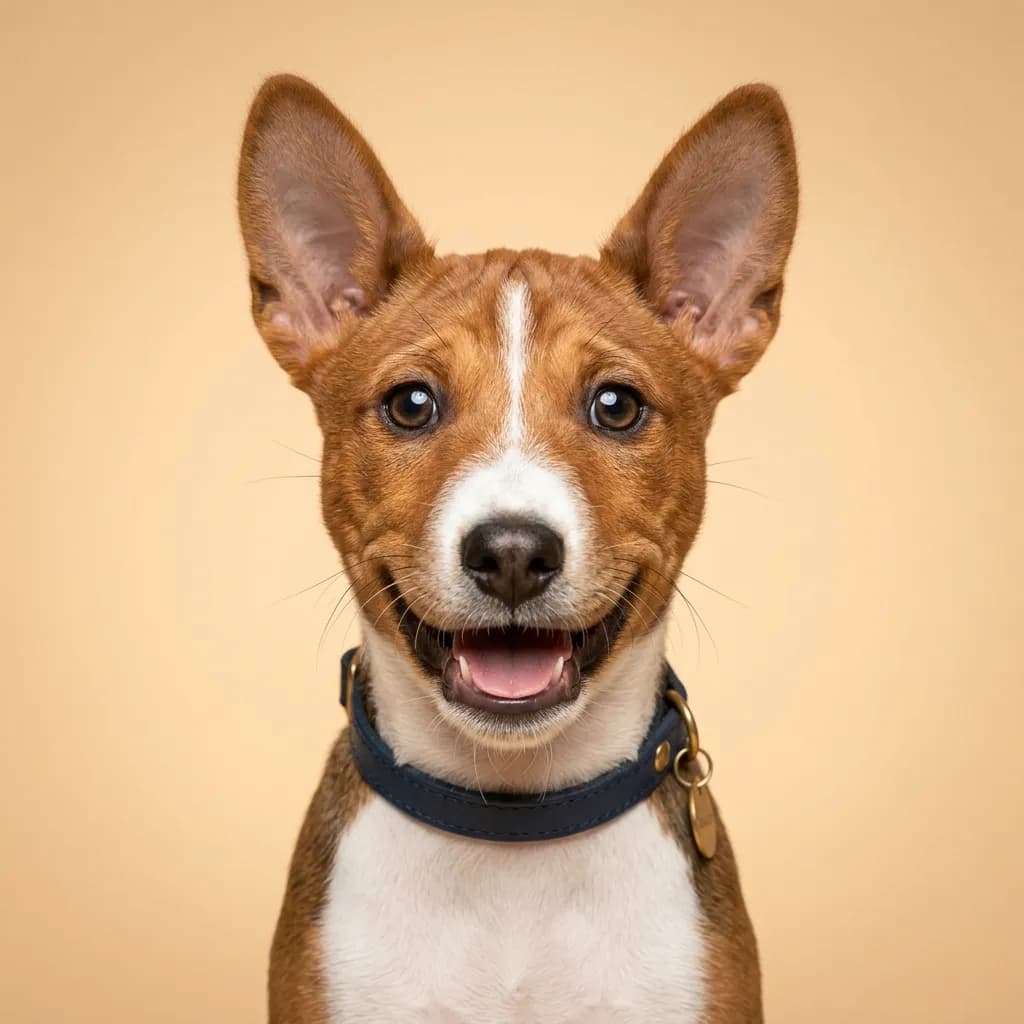
What Training a Basenji Is Actually Like
Training a Basenji is not about control. It’s about negotiation. These dogs are smart—just not in the way you’re used to. They were bred to hunt independently in dense African bush, making their own decisions without human input. That means they’re not wired to obey; they’re wired to assess. Their Coren trainability rank of 6 (Lowest) isn’t a flaw, it’s a feature. They learn new commands in 80 to 100 repetitions and only respond to the first command 25% of the time. You can’t force compliance. You have to earn cooperation. High energy and high mental stimulation needs mean they’ll grow bored fast if you repeat the same drill. But if you make it interesting, they’ll engage. The Basenji isn’t stubborn—they’re selective. Respect that, and you’ll build a real partnership.
Training Timeline
Start at 8 weeks: Socialization window is critical and narrow—weeks 3 to 12. Expose your puppy to every sound, surface, person, and dog early. Use high-value treats to create positive associations. By 12 weeks, they should be comfortable with handling, collars, and leashes.
At 6 months (24 weeks), expect a dip. The second fear period hits around weeks 32 to 40. A previously bold Basenji might spook at a vacuum or avoid new people. Don’t push. Go back to basics with quiet, reward-based exposure. Keep outings low-pressure.
Adolescence starts at 5 months and lasts until 14. This is when independence spikes. Leash reactivity, selective hearing, and escape attempts rise. Reinforce recall daily—but only on leash. Off-leash is a non-starter for this breed.
By 9 months, mental maturity begins to settle. They’re still energetic (4/5 on AKC energy scale), but more receptive to structured work. Use scent games and short training bursts to maintain focus.
Breed-Specific Challenges
First, independence. Basenjis don’t look to you for direction the way a Border Collie would. They’ll weigh your request against their own judgment. That means commands like “come” or “stay” need to be compelling, not just routine.
Second, prey drive. Bred to hunt small game, they’ll fixate on squirrels, birds, or even cats. This isn’t disobedience—it’s instinct. Never trust recall off-leash, not even in a fenced yard. A flushed rabbit overrides years of training.
Third, aloofness with strangers. They’re not aggressive, but they’re not welcoming either. This isn’t a social butterfly breed. Early exposure helps, but don’t expect a Basenji to greet everyone like a Golden Retriever.
Fourth, vocal quirks. They don’t bark—but they yodel, howl, and scream. This isn’t always controllable. Training can reduce nuisance vocalizing, but you can’t eliminate it. Living in an apartment? Neighbors will notice.
What Works Best
Short sessions. We’re talking 3 to 5 minutes, 2-3 times a day. Longer than that and they tune out. Use extremely high-value rewards—freeze-dried liver, real meat, something they’d trade a paw for. Standard kibble won’t cut it.
Incorporate scent work early. Hide treats in grass, use snuffle mats, run simple find-it games. It taps into their purpose and burns mental energy.
Train before meals when they’re hungry. Use their daily food as currency—this keeps motivation high without overfeeding.
Pace training around their energy cycles. They’re bright and alert but not marathon learners. Patience isn’t just a virtue with a Basenji—it’s the only strategy that works.
Crate Training Your Basenji
A Basenji needs a crate that’s large enough to stand up, turn around, and lie down comfortably, but not so big that they can use one end as a bathroom. For a medium breed averaging 23 pounds, a 30-inch crate is ideal. If you’re starting with a puppy, use a divider—but don’t assume they’ll stay small forever. Basenjis hit most of their adult size by six months, so you won’t need the divider long. Still, it’s worth having for early house training.
Don’t expect instant crate love. These dogs are smart and independent, which means they’ll assess the situation before complying. Their 4/5 energy level doesn’t mean they’ll tire into submission; instead, they might treat the crate like a puzzle to outsmart. Crate acceptance works best when you tie it to scent games. Try hiding high-value treats like freeze-dried liver or tripe inside the crate when they’re not looking. Let them sniff it out. That builds positive association faster than commands ever will.
Basenjis don’t do well crated for long stretches. More than 4 hours at a time—even for adults—can lead to restlessness or destructive behavior. They’re not prone to separation anxiety like some breeds, but their intelligence means they’ll find ways to entertain themselves, like chewing pads or silently dismantling fabric covers. Use a durable, chew-proof pad and avoid plush bedding early on.
Short sessions are key. Five to ten minutes of calm crate time with a stuffed Kong or scent game builds confidence. Never use the crate as punishment. These dogs remember, and once they decide the crate is a negative space, you’re starting over.
One quirk: Basenjis are quiet, but when they do vocalize in the crate, it’s often a low growl or whine—not barking. That doesn’t mean distress. Sometimes it’s just negotiation. Watch body language. If they’re pacing or panting, back up. If they’re alert but relaxed, they’re probably just expressing an opinion.
Potty Training Your Basenji
Basenjis are smart but notoriously independent, which makes potty training a test of patience more than anything. At around 23 pounds, their medium size means decent bladder capacity for their build, so they’re not like tiny breeds that need constant outdoor trips. But don’t let that fool you—just because they can hold it doesn’t mean they will, especially if they decide they’d rather keep doing what they’re doing instead of going outside.
Their 2/5 trainability score and placement in Coren’s lowest tier mean they’re not rushing to please you. They learn slowly, needing anywhere from 80 to 100 repetitions to grasp a new behavior consistently. That’s true for potty training too. Expect a realistic timeline of 4 to 6 months for reliable house training, sometimes longer. Crate training helps, but you’ve got to stay consistent. Basenjis are observant and poised, yes, but they’ll also quietly choose to go behind the couch if they don’t feel like trekking outside in the rain.
One major challenge? Their independence. Other breeds might whine to go out because they want to please you; Basenjis just don’t care as much. They’ll wait until the last minute or go indoors if you’re not on a strict schedule. And because they’re so quietly intelligent, they can develop sneaky habits—like finding a quiet corner behind a plant if you’re not watching.
Rewards need to be immediate and high-value. Praise alone won’t cut it. Use small bits of chicken or freeze-dried liver the second they go outside. Be timely and enthusiastic, even if they act like they didn’t do anything special. A predictable schedule—every 2 hours, after meals, after play—is non-negotiable. You won’t outsmart a Basenji by being lax. You’ve got to be more consistent than they are stubborn.
Leash Training Your Basenji
Leash training a Basenji isn’t about achieving perfect heel work—it’s about managing a smart, independent hunter who’d rather follow a squirrel’s trail than stick close to you. They were bred to work solo in dense African terrain, flushing game toward nets, which means they’re wired to explore, not check in constantly. That independence shows up on leash as selective listening and sudden stops or pulls when a scent hits.
Skip the collar. A front-clip harness, like the Sensible or Balance model, gives you more control without risking their delicate necks—especially important since they hit 23 pounds on average but can feel like a 50-pound dog when locked onto a smell. They won’t pull like a Husky, but they’ll brace and pivot toward interesting odors with surprising strength. A back-clip harness just lets them pivot harder.
Their energy is high, but it’s bursts, not endurance. That means short, focused leash sessions work better than long walks. A 20-minute walk with 3 or 4 training intervals—rewarding eye contact, loose-leash walking, and quick check-ins—is more effective than an hour of constant correction.
Common issues? Sniffing freezes, sudden direction changes, and polite ignoring. They’ll stop mid-stride, nose to pavement, lost in scent world. That’s not defiance—it’s their job. The scent_patience method works best: let them sniff briefly, then gently redirect with a cue or treat, building focus over time.
“Good” leash behavior for a Basenji isn’t tight heeling. It’s occasional check-ins, walking without constant pulling, and responding after a mild distraction. Expect 70% attention, not 90%. Reward the moments they choose you over a smell, and be okay with slow progress. This breed won’t perform for praise alone—find what motivates yours, whether it’s a sliver of chicken or a quick game of chase, and use it wisely.
“I just wish someone would tell me what to do and when to do it.”
Not generic puppy tips. Not a video course you’ll never finish. Just one email a week telling you exactly what to work on with your Basenji, at the age they are right now. Nothing to sift through. Nothing to figure out. Just this week.
Get Started — It’s FreeTell us your breed and your puppy’s age. We’ll send you exactly what to work on this week.
Socializing Your Basenji
Basenjis come with a tight socialization window, and you’ve got to move fast. Their prime socialization period runs from weeks 3 to 12, which means that critical phase overlaps almost entirely with their first fear period—weeks 8 to 11. That timing isn’t a coincidence; it’s a challenge. These dogs are born with a poised, alert nature bred for working independently in dense African terrain, and that independence means they’re wired to assess new things carefully, not trust them immediately. If you miss those early weeks or respond poorly to their fear, you’re setting up a dog that stays suspicious or shuts down under stress.
Because they were bred to hunt and move game without constant human direction, Basenjis don’t default to looking to people for cues like some breeds do. That’s why they need more exposure to novelty—unfamiliar people, sudden noises, different floor surfaces, bicycles, kids yelling, even vacuum cleaners. Not just “nice” experiences, either. They need controlled, calm exposure so they learn the world isn’t threatening, not a flood of overwhelming events that confirm their wariness.
They’re naturally wary of loud, fast movements and strangers who approach directly. Don’t force it. Let them observe. Reward calm curiosity. The biggest mistake owners make is assuming their Basenji’s quiet independence means they’re “fine” when they’re actually just freezing or avoiding. Another error is waiting until after 12 weeks, thinking puppy class will fix it. Too late. By 9 months, their adult temperament is mostly set.
Skip early socialization and you don’t just get a shy dog. You get a dog who makes his own decisions about what’s safe, and he’ll likely decide very little is. That means a pet who’s aloof with guests, reactive to street noise, and hesitant in new environments. A well-socialized Basenji is still reserved, but he’s confident, not calculating danger in every doorway.