Training Your Belgian Malinois
Thrives on structured tasks with clear goals. Responds to body language and subtle cues. Needs mental challenges to prevent herding behavior redirected at people/kids.
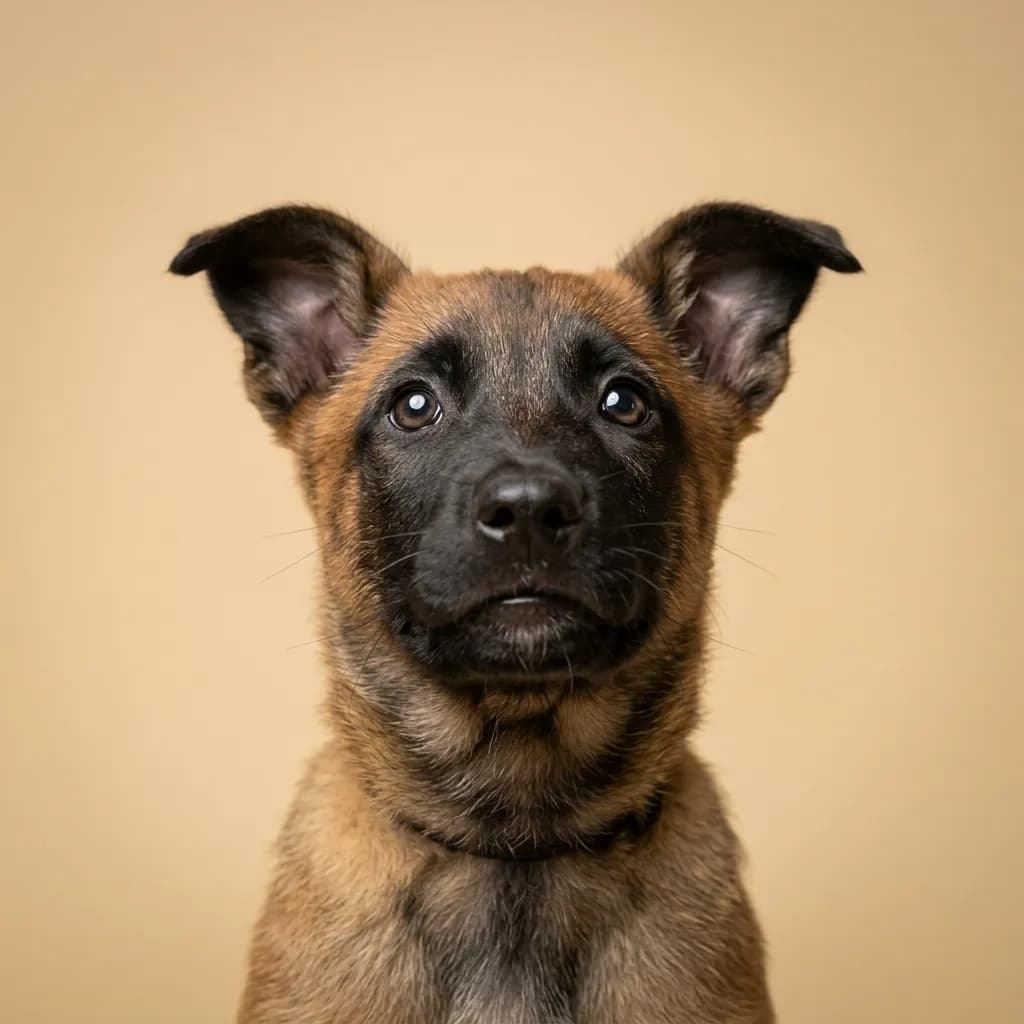
What Training a Belgian Malinois Is Actually Like
If you’re getting a Malinois, you’re not just training a dog—you’re partnering with a working machine that expects purpose. These dogs learn new commands in 5 to 15 repetitions, ranking in Coren’s Tier 2 for intelligence. That means they pick up fast, but they also remember mistakes—yours included. They thrive on precision and consistency. If your cues are sloppy or your timing is off, they’ll tune you out or improvise, which often looks like disobedience but is really just problem-solving. They’re not stubborn; they’re efficient. Expect them to anticipate your next move by week three of training. Their confidence means they won’t hesitate to take charge if you’re unclear. This isn’t a breed for passive owners. They need structured direction every single day, or they’ll redirect their herding drive toward your ankles, the kids, or the neighbor’s cat. They want to work, not perform.
Training Timeline
Start at 8 weeks: socialization is non-negotiable. You’ve got until week 12 to expose them to every sound, surface, person, and dog they’ll encounter in life. Use positive associations—force nothing. Between weeks 10 and 16, begin basic commands: sit, down, stay, recall. Use short, high-energy sessions—five minutes, three times a day. At 6 months, adolescence hits hard. They’ll test boundaries, ignore recalls, and show increased reactivity. This lasts until 18 months. Around 11 to 13 months, expect a second fear period—weeks 44 to 56—where they may suddenly spook at things they once handled. Reintroduce calmly, don’t push. By 14 months, mental maturity begins. Their focus sharpens, and training clicks into place if you’ve stayed consistent. Introduce complex tasks: scent work, agility sequences, precision heeling. Rotate challenges weekly to prevent stagnation.
Breed-Specific Challenges
First, their herding instinct doesn’t switch off. Without livestock, they’ll target moving objects—kids, bikes, cars. Early impulse control is critical. Second, they demand mental work at a level most owners can’t sustain. A single daily walk won’t cut it; they need structured problem-solving. Third, their sensitivity to body language means inconsistent handling creates confusion. A twitch of your shoulder can mean “go right” to them, so clarity is everything. Fourth, their confidence can turn into territoriality if not socialized deeply. They’ll guard space, people, and resources without proper training.
What Works Best
Use structured, task-oriented sessions lasting 5 to 10 minutes, twice daily. Longer sessions lead to burnout or fixation. Rotate skills weekly: one week focus on distance recalls, the next on scent discrimination. They respond best to verbal praise paired with a high-value toy reward—think tug or ball, not kibble. Their AKC trainability rating of 5/5 means they’ll excel in dog sports like IPO, agility, or protection work, but only if you provide clear, progressive learning. Use subtle cues—hand signals, posture shifts—and reward precision. Their energy and mental needs (both 4/5) require daily outlets. If you’re not doing at least 30 minutes of focused training or work, you’re behind. They’re not pets in the traditional sense. They’re partners. Treat them like it, and they’ll outperform every expectation.
Crate Training Your Belgian Malinois
A Belgian Malinois needs a crate big enough to stand up, turn around, and lie down comfortably, so plan for a 42-inch crate even if you’re starting with a puppy. That means using a divider religiously, because letting them claim too much space too early kills the denning instinct you’re trying to build. These dogs are smart and confident, so they’ll test boundaries early; if the crate feels like a play zone instead of a calm zone, they’ll treat it like one.
Malinois don’t settle easily by default. Their energy is intense and their drive to work is through the roof, so crate training isn’t about waiting for them to tire out. It’s about making the crate part of their job. Use structured sessions—five to ten minutes at a time, multiple times a day—where going into the crate leads directly to something precise: a chew, a short rest, or a quiet task like holding a down-stay. Make it predictable and task-oriented. They’ll accept the crate faster if it’s framed as a duty station, not a timeout.
Don’t expect more than 2-3 hours crated for a young Malinois under 6 months, even though they’re highly trainable. Their separation tolerance is average at best, and their brains don’t shut off. Pushing longer crating leads to frustration behaviors—chewing through pads, pawing at the crate, or obsessive barking. And yes, they’ll destroy cheap crate mats. Use a solid rubber bed or nothing at all; they’ll figure it out.
Start teaching “crate” as a verbal cue paired with a specific action, like retrieving a toy and dropping it inside before settling. This plays into their cooperative precision. And never use the crate as punishment. A Malinois remembers, and once it’s tainted, you’ll lose the tool fast. Keep it structured, positive, and brief. They’ll buy in—but only if it makes sense to their working mind.
Potty Training Your Belgian Malinois
A Belgian Malinois is a large dog, averaging around 60 pounds, and that size means a bigger bladder than small breeds. Puppies still need frequent breaks—every 1 to 2 hours during the day—but they’ll hold it longer than a Chihuahua or terrier mix. By 12 to 16 weeks, you can expect 3 to 4 hour stretches between potty trips, and most Malinois are reliably house-trained by 4 to 6 months. That timeline is faster than average, thanks to their elite trainability. They’re ranked Tier 2 in Coren’s intelligence scale, learning new commands in just 5 to 15 repetitions. They’re not stubborn in the traditional sense; they’re more like intense students who need clear instruction. If you’re inconsistent, they won’t fail to please—they’ll just decide what to do on their own.
Their confidence and work drive mean they respond best to structured, consistent routines. Potty training works fastest when you stick to a tight schedule: out first thing in the morning, after meals, after play, and before bed. Their intelligence also means they’ll pick up on your cues quickly—like grabbing the leash or saying “Let’s go outside”—so use those consistently. One challenge is their high energy and focus. They might get so locked into watching birds or chasing a scent in the yard that they ignore the urge to go. That’s why you should keep potty trips focused and short, on a leash, in a quiet spot without distractions.
Rewards need to match their drive. A plain “good dog” isn’t enough. Use high-value treats—small bits of chicken or freeze-dried liver—paired with enthusiastic praise the second they finish. They’re not food-obsessed like Labs, but they’ll work hard for rewards that feel like payment for a job well done. Be patient, be consistent, and remember: a bored Malinois is a problem solver, and that includes figuring out which rug to use as a bathroom.
Leash Training Your Belgian Malinois
A Belgian Malinois is going to pull. It’s not defiance—it’s physics. This is a 60-pound dog built for work, bred to move livestock across fields with relentless drive. Leash training isn’t about making them walk perfectly at your side overnight; it’s about managing their intensity and redirecting their precision. Start with a front-clip harness. A collar won’t cut it. Even a strong handler gets yanked around by a dog this powerful, and a prong or choke collar is overkill if you’re consistent with positive, cooperative training. The front-clip harness gives you control without compromising their spirit.
Their energy and prey drive mean distractions aren’t just tempting—they’re magnetic. A squirrel? A jogger? That’s mission-critical to a Malinois. They’ll lunge, pivot, and brace like they’re chasing down a stray sheep. Their herding background shows up in how they move on leash: they don’t just pull, they weave forward in zigzags, scanning and assessing. That’s not poor manners—it’s instinct. You’re not erasing that; you’re teaching them to channel it.
Common problems include pulling ahead with zero tolerance for stops, reactive lunging at movement, and “herding” pedestrians or bikes by darting toward them. The fix isn’t more force—it’s structure. These dogs thrive on clarity. Use short, precise cues and reward exact positioning. A 5/5 trainability score means they’ll learn fast, but they’ll also notice if you’re inconsistent.
Realistic expectations? A Malinois won’t stroll like a golden retriever. “Good” leash behavior here means they stay aware of you, respond promptly to direction changes, and keep tension minimal—especially after conditioning work like off-leash runs or bite sessions. They’ll never be the dog who ignores a deer trail, but they can learn to check in before reacting. Train daily, keep it engaging, and accept that loose-leash walking is a job, not a trick. And honestly, that’s kind of the point.
“I just wish someone would tell me what to do and when to do it.”
Not generic puppy tips. Not a video course you’ll never finish. Just one email a week telling you exactly what to work on with your Belgian Malinois, at the age they are right now. Nothing to sift through. Nothing to figure out. Just this week.
Get Started — It’s FreeTell us your breed and your puppy’s age. We’ll send you exactly what to work on this week.
Socializing Your Belgian Malinois
You’ve got a narrow window with a Malinois, and timing is critical. Their socialization period runs from weeks 3 to 12, which means the bulk of it happens after they leave the litter and land in your home. The catch? That overlaps directly with their first fear period at 8 to 11 weeks. If you’re not deliberate, a scary experience during that stretch can stick with them for life. These dogs are smart and observant, so they’re not just learning what’s safe—they’re also locking in what’s threatening.
Because they were bred to guard and herd in Belgium, Malinois come with built-in suspicion of strangers and fast-moving activity. That means you need heavy, positive exposure to adults, children, cyclists, joggers, and loud urban noises—especially between 8 and 12 weeks. Don’t just show them these things from a distance. Reward calm behavior when a kid runs past or a skateboard rolls by. Their herding instinct makes them hyper-aware of movement, so unmanaged exposure can turn curiosity into fixation or reactivity.
Where people mess up is either overprotecting them—keeping them isolated “until they’re older”—or overwhelming them with too much too fast. Neither works. The Malinois needs consistency, not avoidance. Skip proper socialization and by 14 months, when they hit full maturity, you’ll have a powerful, 60-pound dog who’s reactive to strangers, tense around kids, or aggressive in public. Their confidence turns into control issues. Their work drive becomes obsessive guarding.
But do it right? You get a dog who’s rock-solid in chaos, focused under pressure, and socially fluent. Early socialization doesn’t make them soft—it makes them effective. That’s what a true working temperament looks like.