Training Your Belgian Tervuren
Thrives on structured tasks with clear goals. Responds to body language and subtle cues. Needs mental challenges to prevent herding behavior redirected at people/kids.
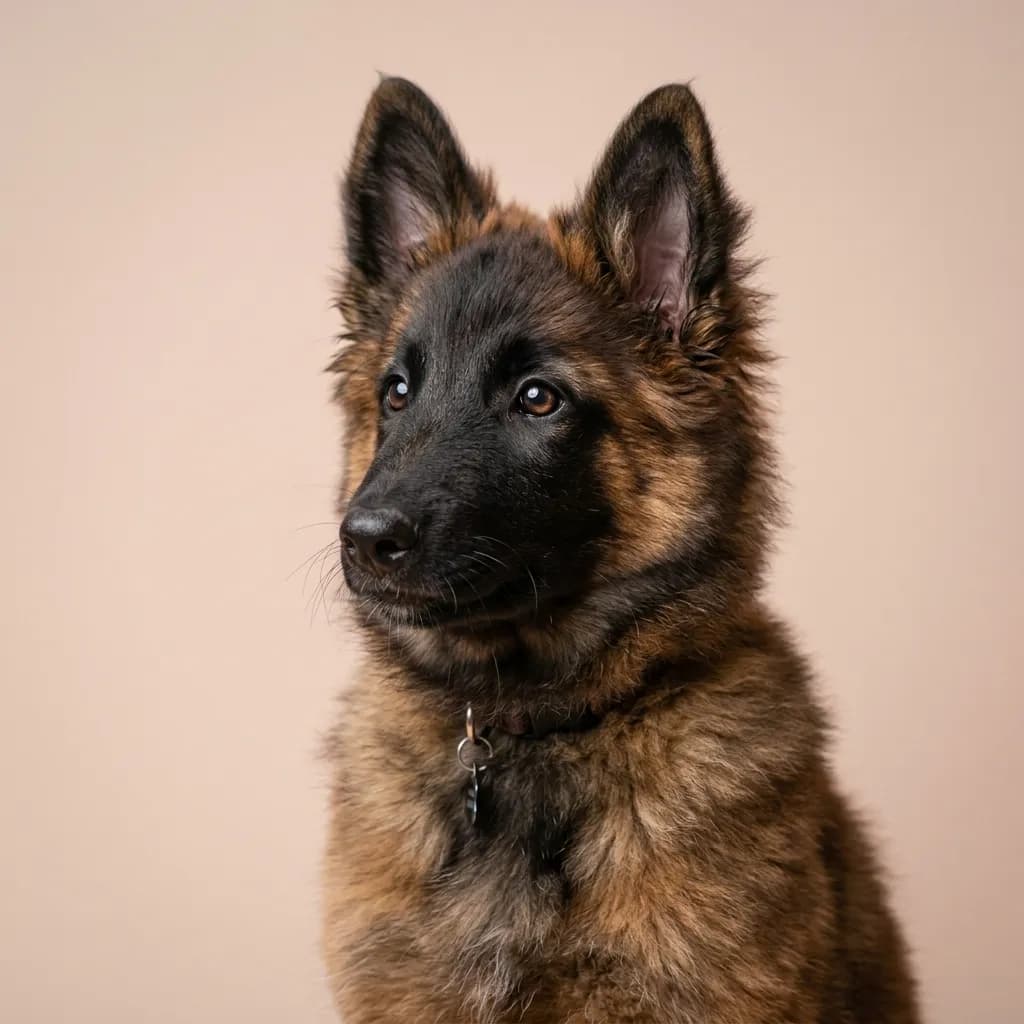
What Training a Belgian Tervuren Is Actually Like
Training a Belgian Tervuren is like working with a gifted athlete who also happens to be your hyper-observant roommate. They’re in the top tier of dog intelligence, learning new commands in just 5 to 15 repetitions, and nailing first-command obedience 85% of the time. But that brilliance comes with intensity. They’re not just smart—they’re driven. Bred for herding and guarding livestock in Belgium, they’re wired to watch, respond, and act. If you don’t give them clear jobs, they’ll invent their own, like circling kids at the park or nipping at heels during zoomies. This isn’t defiance—it’s boredom. They need structure, not permissiveness. Expect high engagement, rapid progress, and the occasional test of will during adolescence. They’re eager to please, but only if they respect your leadership. You’re not just teaching commands; you’re building a working partnership.
Training Timeline
Start training the day you bring your Tervuren home at 8 weeks. The socialization window closes hard at 12 weeks, so flood them with positive experiences—kids, bikes, other dogs, traffic—before then. Between 10–16 weeks, focus on name recall, sit, stay, and loose-leash walking. By 6 months, they should have basic obedience solid. That’s when adolescence hits—months 6 to 18—and it’s not subtle. Around week 44 to 56, the second fear period can make them suddenly wary of things they once tolerated. Go slow, avoid forced exposure, and reinforce confidence. Use high-value rewards and keep sessions upbeat. Between 12–14 months, mental maturity begins to settle. You’ll notice better focus and impulse control. Use that window to layer in advanced skills like off-leash reliability, scent work, or agility sequences. Consistency across all 18 months is non-negotiable.
Breed-Specific Challenges
First, their herding instinct doesn’t switch off. Without proper outlets, they’ll chase bikes, herd toddlers, or obsess over moving cars. Management and redirection are daily necessities. Second, their alertness borders on reactivity. A Tervuren that hasn’t been socialized well will bark at every passerby or lunge at skateboards. Early and ongoing exposure is critical. Third, their energy isn’t just physical—it’s mental. A Tervuren that gets a long walk but no problem-solving time is still under-stimulated. They’ll dismantle your couch or spin in tight, anxious circles. Fourth, during adolescence, they test boundaries with a laser focus. They’ll ignore recall if something’s more interesting because they’re assessing whether the rule still applies. Predictability on your part is the only thing that counters this.
What Works Best
Keep sessions short—10 to 15 minutes—and task-oriented. Tervurens thrive on clear goals: “place,” “find it,” “wrap the cone.” They respond better to subtle body cues than loud commands, so refine your own communication. Train multiple times a day, every day. Use toy play or fetch as primary rewards; food works, but many Tervurens prefer movement and interaction. Rotate skills weekly to prevent stagnation. They need novelty—teach a trick, add a distraction, change the environment. By 6 months, start formal dog sports. Their trainability score of 5/5 isn’t just for obedience; they excel in agility, herding trials, and rally. The key is consistency with flexibility: same rules, endless variety in how you teach them.
Crate Training Your Belgian Tervuren
A Belgian Tervuren needs a crate large enough for a 60-pound dog, so aim for 42 inches minimum even if you're starting with a puppy. Use a divider early on, but plan to remove it quickly—they grow fast and their intelligence means they’ll notice and exploit any spatial inconsistencies. Don’t expect them to stay confined in a space that feels too small for long; they’re structured thinkers and need room to lie out fully.
Tervurens accept crates well if the process is framed as a challenge to master, not a punishment. Their 5/5 trainability means they’ll learn crate routines fast, but their 4/5 energy means they won’t settle unless they’ve already burned mental and physical energy. A tired Tervuren is more likely to relax in the crate; an under-exercised one will pace, scratch at the crate walls, or chew through pads and blankets. They’re not typically destructive in the crate out of fear, but out of boredom—so rotate durable chew toys like frozen Kongs or puzzle feeders to keep them occupied.
They can handle up to 4 hours crated as adults if exercised first, but don’t push it. Their alert temperament makes them sensitive to changes in routine, so consistency matters. They’ll bark if they feel isolated, not because they’re anxious but because they’re wired to be part of the action. Crate them in a central area, not a basement or garage.
One quirk: Tervurens sometimes “herd” their crate space—rearranging blankets, digging at corners, or nudging items into place. It’s not destructive, just their precision nature at work. Give them a defined bed and rotate textures weekly to satisfy that instinct. Train crate entry as a precision task—reward straight sits before entry, clean turns inside, quiet downs. Make it a job, and they’ll love it.
Potty Training Your Belgian Tervuren
Belgian Tervurens are large dogs, averaging around 60 pounds, and that size means they develop bladder control faster than smaller breeds. You’re not dealing with a tiny bladder that can’t hold it for more than an hour. By 12 to 16 weeks, most Tervurens can manage 3 to 4 hours between potty breaks, especially with structure. That helps you stick to a schedule, which they respond well to. But don’t mistake their physical readiness for instant house-training. You still need consistency.
These dogs are ranked in Coren’s Tier 2 for working intelligence, meaning they learn new commands in just 5 to 15 repetitions. They’re highly trainable and eager to please, not because they’re submissive but because they thrive on mental engagement and partnership. This makes potty training smoother than with many breeds. They’re not particularly stubborn in the way a Shiba or Husky might be, but they are alert and observant. If your routine is unclear or you’re inconsistent, they’ll notice—and they might take that as permission to make their own rules.
The realistic timeline for a Belgian Tervuren to be reliably house-trained is 4 to 6 months. Some are there by 16 weeks, especially with diligent scheduling, but most have a few slip-ups until they’re closer to 7 or 8 months. Crate training works exceptionally well with this breed because they’re clean by nature and don’t like soiling their space.
One breed-specific challenge is their high drive and focus. Once they’re outside, they might get distracted by movement, sounds, or wildlife and forget why they went out. Keep potty trips short and focused. Use a consistent cue word and reward immediately after they go. For rewards, go beyond treats—praise and a quick game of tug or a thrown toy work better than food alone. They’re not food-obsessed; they’re motivated by interaction. Make potty success a moment of connection, and they’ll want to repeat it.
Leash Training Your Belgian Tervuren
A Belgian Tervuren is smart, intense, and built to work all day. At around 60 pounds and with a 4 out of 5 energy level, they’re not easily overpowered, but their intelligence and drive mean leash training has to be smart, not strong. Start with a well-fitted front-clip harness—it gives you more control without triggering the opposition reflex a back-clip harness can cause. Avoid standard collars for training; their upright ears and sensitive necks mean you want even pressure distribution. A front-clip harness helps redirect their natural tendency to surge ahead without building resistance.
Tervurens were bred to herd and guard in Belgium’s rugged terrain, so they’re wired to patrol, observe, and react. That means on leash, their alertness turns into reactivity—barking at bikes, lunging at squirrels, or pulling toward anything new. Their prey drive is high, and their precision mindset means they’ll fixate. You’ll see weaving, circling, or tight-leash pulling if they sense movement or perceive a “threat” they’re supposed to manage. This isn’t disobedience. It’s their job instinct kicking in.
They’re 5 out of 5 in trainability, so they pick up patterns fast—good and bad. If you let them pull once to investigate a scent, they’ll repeat it. Consistency is non-negotiable. Use cooperative precision: reward calm focus, mark and redirect reactivity early, and build duration in loose-leash walking with short, high-reward sessions. They thrive on clarity and purpose.
Realistic expectations? A well-trained Tervuren won’t walk like a lazy retriever. “Good” leash behavior here means steady attention, quick recovery when startled, and walking beside you with a loose leash 80% of the time. Their vigilance won’t disappear, but it can be managed. With daily practice and mental engagement, they’ll settle into a rhythm that respects their drive while keeping you in charge.
“I just wish someone would tell me what to do and when to do it.”
Not generic puppy tips. Not a video course you’ll never finish. Just one email a week telling you exactly what to work on with your Belgian Tervuren, at the age they are right now. Nothing to sift through. Nothing to figure out. Just this week.
Get Started — It’s FreeTell us your breed and your puppy’s age. We’ll send you exactly what to work on this week.
Socializing Your Belgian Tervuren
Belgian Tervurens are sharp, sensitive dogs whose socialization window from weeks 3 to 12 hits right when their first fear period starts at 8 weeks. That overlap is critical. You can’t afford to wait until they’re “settled” at home to start introducing new things. By 10 weeks, a Tervuren is already sizing up the world with that herding dog wariness, so you need to flood them with calm, positive experiences fast. Miss that window and you’re playing catch-up with a 60-pound dog who was bred to assess threats.
They need heavy, structured exposure to children—more than most breeds. Herding instincts kick in early, and without seeing kids as part of their “flock,” they may try to control or avoid them. Introduce toddlers under supervision, using treats and play to build positive associations. Same with strangers. Bred to guard livestock, Tervurens are naturally suspicious of unfamiliar people. That doesn’t mean they should be aggressive, but without early, repeated exposure to diverse people—different ages, ethnicities, clothing, gait—they’ll default to aloofness or caution.
Common mistakes? Overprotecting them during the fear period. If a Tervuren shows hesitation at 9 weeks and you pull them away every time, you’re teaching them fear is the right response. Instead, pause, let them observe, reward calmness, and never force interaction. Another mistake is confusing obedience with socialization. A well-trained Tervuren still needs to be socially fluent in chaos—busy sidewalks, loud noises, sudden movements.
Skip proper socialization and you’ll get a dog that’s technically trainable but emotionally brittle. At 14 months, their adult temperament solidifies: under-socialized Tervurens become hyper-vigilant, reactive, or shut down in new situations. They won’t relax because their job was to monitor threats, and without early proof that the world is safe, they’ll assume it never is.