Training Your Bergamasco Sheepdog
Thrives on structured tasks with clear goals. Responds to body language and subtle cues. Needs mental challenges to prevent herding behavior redirected at people/kids.
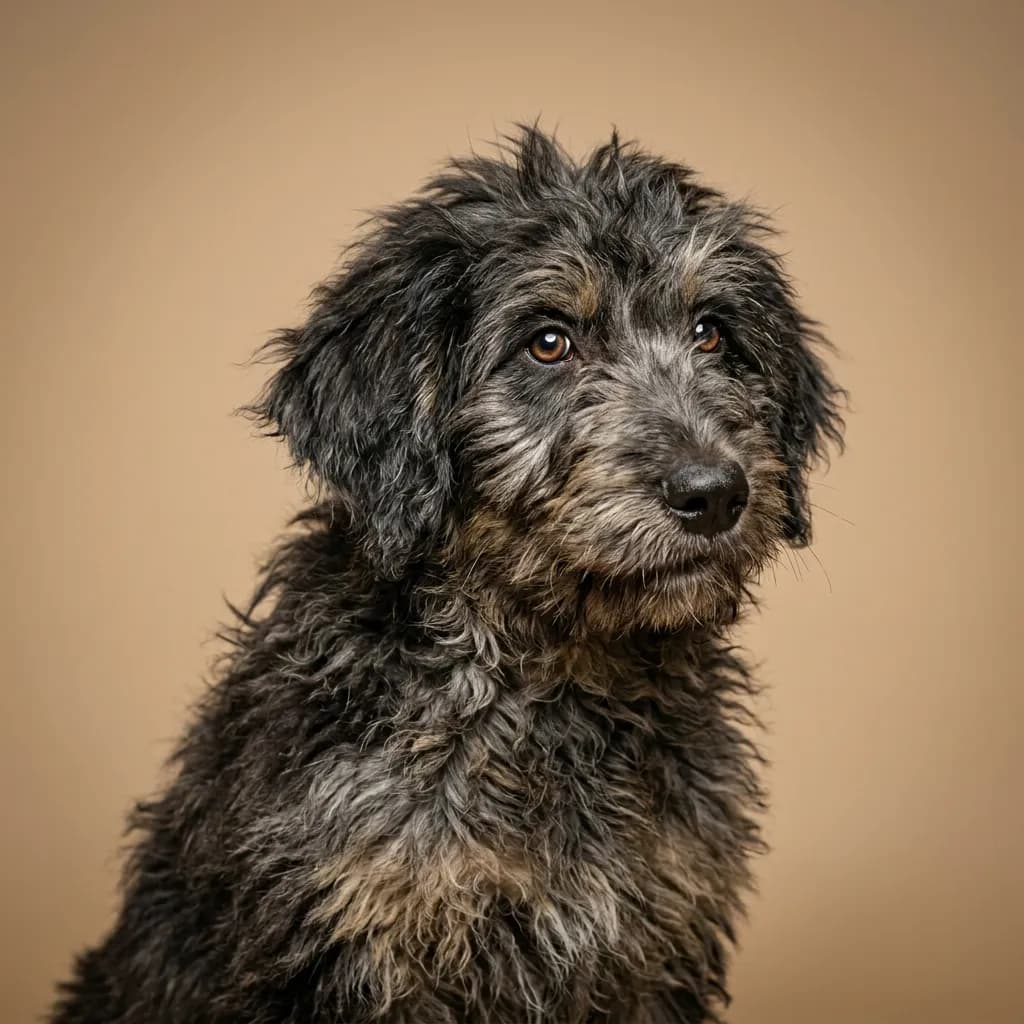
What Training a Bergamasco Sheepdog Is Actually Like
Training a Bergamasco Sheepdog is like working with a thoughtful, deliberate partner who’s always assessing whether the task is worth their effort. They’re intelligent and observant, but not eager-to-please in the way a Border Collie is. Their independence means they’ll weigh your request before complying, especially as they mature. Don’t expect instant obedience. They’re ranked Tier 4 in Coren’s intelligence, meaning they need 25 to 40 repetitions to learn a new command, and they’ll only respond to the first command about half the time. This isn’t defiance—it’s caution. They were bred to make decisions in rugged terrain, away from direct human instruction, so they think before acting. That makes them reliable in real-world tasks but slower in structured learning. They thrive when training feels like a job with a clear purpose. Without mental challenges, their herding instincts can misfire—nipping at kids, circling visitors, or obsessing over moving objects. Start early, stay consistent, and keep it meaningful.
Training Timeline
From 8 to 12 weeks, focus on socialization. Every person, sound, surface, and experience counts. Their window closes fast, so expose them to city noise, other dogs, and household appliances. Between 6 and 18 months, they enter adolescence—slow progress, testing boundaries. Around 11 months (weeks 44-56), expect the second fear period. New things may suddenly scare them. Back off from pressure, revisit known skills, and rebuild confidence with neutral experiences. Formal training should start at 12 weeks with short, structured sessions. By 6 months, they should know basic cues like sit, stay, and recall, but don’t expect reliability. Reinforce through repetition. Around 14 months, maturity hits. Their decision-making stabilizes, and training gains momentum. This is when advanced tasks—herding trials, precision work—become more effective.
Breed-Specific Challenges
First, their slow trainability. They don’t learn fast and won’t generalize well. Teaching “sit” on the porch doesn’t mean they’ll do it in the yard. You’ll need to retrain in multiple environments. Second, redirected herding. Without mental outlets, they’ll start rounding up children, pets, or bikes. This isn’t aggression, but it’s disruptive and hard to extinguish if it becomes a habit. Third, their coat. While not a behavior issue, the dense mats make grooming a training task in itself. If they aren’t trained to stand still for handling early, vet visits become a battle. Finally, their independence can look like stubbornness. They’ll delay responding if they don’t see the point. You need to make the reward or purpose clear.
What Works Best
Structure is non-negotiable. Sessions should be task-oriented—like teaching them to fetch a specific object or navigate an obstacle—not just random commands. Keep them short, 8 to 10 minutes, 2-3 times daily. Their mental stimulation needs are moderate but consistent. Use verbal praise paired with play rewards. A favorite tug toy after completing a sequence works better than treats alone. They respond to body language, so pair verbal cues with clear gestures. Train in varied environments early to prevent context dependence. Introduce a new challenge every 2-3 weeks to maintain engagement. Avoid repetitive drills. They’ll tune out after the 30th repetition if it feels pointless. Make it a job, not a trick, and they’ll commit.
Crate Training Your Bergamasco Sheepdog
A Bergamasco Sheepdog needs a roomy crate—think 42 inches minimum—because they’re large, averaging around 70 pounds and standing over 20 inches tall. For a puppy, use a divider, but be ready to adjust it more often than usual. These dogs grow slowly, and their unique woolly coat can make them seem bulkier than they are, so monitor space carefully to avoid cramping their movement.
Crate acceptance is usually moderate. Their energy level is on the lower end of moderate—3 out of 5—and they’re intelligent and sociable, so they’ll usually settle if they know you’re nearby. But don’t expect instant compliance. Their independence means they’ll assess the situation first. Push too hard and they’ll resist. Make the crate a quiet, predictable space with a chew-resistant pad—because yes, some pups mouth things out of curiosity, not aggression. But true destructive chewing inside the crate is rare. What you might see instead is light digging or rearranging bedding. It’s not anxiety-driven, just instinct. A thick, washable mat helps.
They can handle 4 to 5 hours crated as adults if exercised first, but don’t push it. Their separation tolerance is decent but not exceptional. They’re social and do best with some human presence. Leave a puzzle toy with their scent on it—like an old sweatshirt—to ease alone time.
Start crate sessions with structured tasks: “go in,” “sit,” “wait,” then reward. Keep it frequent and varied so they don’t get bored. Rotate in new challenges—different commands, short stays, adding distractions—because mental stimulation matters more than you’d think. A bored Bergamasco will ignore the crate, not destroy it. And never use the crate as punishment. These dogs respect consistency and cooperation, not force.
Potty Training Your Bergamasco Sheepdog
Potty training a Bergamasco Sheepdog takes patience, mostly because they’re large but not particularly quick learners when it comes to house rules. Their size means they have a decent bladder capacity early on—by 12 weeks, they can typically hold it 3-4 hours—so you’re not dealing with the tiny-breed struggle of constant outings. But don’t let that fool you. Their trainability is rated average for a reason. They’re intelligent, yes, and can pick up on routines, but they’re also independent-minded. They won’t rush to please you just because you asked nicely.
Expect it to take 4 to 6 months before your Bergamasco is reliably house-trained, and even then, occasional setbacks are normal. They’re not stubborn in a defiant way; they just process things on their own timeline. If you’re inconsistent with the schedule, they’ll notice—and they’ll take that as permission to bend the rules. Stick to a tight routine: outside every 3-4 hours, after meals, after naps, and before bed. Missing a window means a higher chance of accidents, and since they’re big dogs, those accidents are, well, big.
One challenge is their natural herding instinct. Outdoors, they may get distracted by movement—a bird, a squirrel, a passing dog—and forget why they’re out there. Keep potty trips focused. Use a leash and a consistent cue like “go potty” to help them associate the behavior with the words.
Rewards? They respond best to calm praise paired with a small, immediate treat. Over-the-top excitement might actually unsettle them. Save the high energy for playtime after they’ve done their job. They’re sociable and bond closely, so your approval matters—but they need time to trust the process. Be patient, predictable, and consistent. That’s how you win with a Bergamasco.
Leash Training Your Bergamasco Sheepdog
You’re not going to win a Bergamasco Sheepdog with force. That dense, mop-like coat hides a surprisingly strong 70-pound dog bred to make independent decisions while herding flocks across rugged Alpine terrain. They’re smart and cooperative, but they’re not eager-to-please like a Border Collie. Respect that independence or you’ll lose their trust.
For equipment, skip the collar—this is a large, strong dog with a natural tendency to pull when interested in something. A well-fitted front-clip harness is your best bet. It gives you gentle steering control without choking them, which they’ll resent. Back-clip harnesses let them power-walk, and that’s not what you want. The front-clip helps guide their attention back to you when they start scanning the horizon like they’re on flock patrol.
They’ve got moderate energy—about a 3 out of 5—so long, slow walks with mental engagement beat frantic pacing. Their prey drive isn’t off the charts like a sighthound, but they’ll still fixate on squirrels or birds, especially if bored. That herding instinct shows up on walks as weaving in front, lagging behind, or trying to “gather” moving things—like joggers or bikes. Don’t expect perfect heelwork. “Good” leash behavior here means walking within a few feet of you, checking in regularly, and responding to redirection without resistance.
Start leash training early. Their intelligence means they learn fast, but their independence means they’ll test consistency. Use cooperative precision—clear cues, calm corrections, and high-value rewards for focus. They respond best when they feel like they’re part of the decision, not being dragged along.
Realistically, you’ll always need to manage distractions. A well-trained Bergamasco won’t drag you, but they’ll still pause to assess, sniff, or circle before committing. That’s not defiance. That’s their heritage talking. Work with it, not against it.
“I just wish someone would tell me what to do and when to do it.”
Not generic puppy tips. Not a video course you’ll never finish. Just one email a week telling you exactly what to work on with your Bergamasco Sheepdog, at the age they are right now. Nothing to sift through. Nothing to figure out. Just this week.
Get Started — It’s FreeTell us your breed and your puppy’s age. We’ll send you exactly what to work on this week.
Socializing Your Bergamasco Sheepdog
Socializing a Bergamasco isn’t just helpful—it’s non-negotiable. These dogs hit their critical socialization window between weeks 3 and 12, which means you’ve got a tight window to pack in positive experiences. What makes it tricky is that their first fear period lands smack in the middle, from weeks 8 to 11. That’s exactly when most pups come home, so you can’t afford to wait. During those weeks, anything scary can stick. A loud noise, a clumsy toddler, or a stranger moving too fast might become a lifelong trigger if not handled gently and repeatedly in a calm context.
Bergamascos were bred to guard flocks in remote alpine terrain, so they’re naturally watchful. That independence and intelligence mean they assess situations before reacting, but it also means they can become overly cautious if not exposed early and often. You need to flood their world with variety: different people, especially men and children, since their herding background doesn’t always translate to kid tolerance. Expose them to bikes, strollers, skateboards, and sudden movements—things they wouldn’t have seen on the mountainside. You’ll also want to introduce new surfaces, sounds, and vet-like handling early, since their dense, corded coat requires regular maintenance and they can’t afford to be difficult at the groomer or vet.
Common mistakes? Overprotecting them during the fear period instead of carefully guiding them through it. Some owners see reserve and think it’s just “their personality,” but skipping socialization turns wariness into avoidance. Without early, consistent exposure, a Bergamasco can become reactive or shut down in new situations, even with familiar people present. Their sociable temperament depends on that foundation. By 14 months, they’re mentally mature and set in their ways. Get it right early, and you’ll have a confident, observant companion who’s calm in chaos. Skip it, and you’ll spend years managing a dog who sees the world as a threat.