Training Your Berger Picard
Thrives on structured tasks with clear goals. Responds to body language and subtle cues. Needs mental challenges to prevent herding behavior redirected at people/kids.
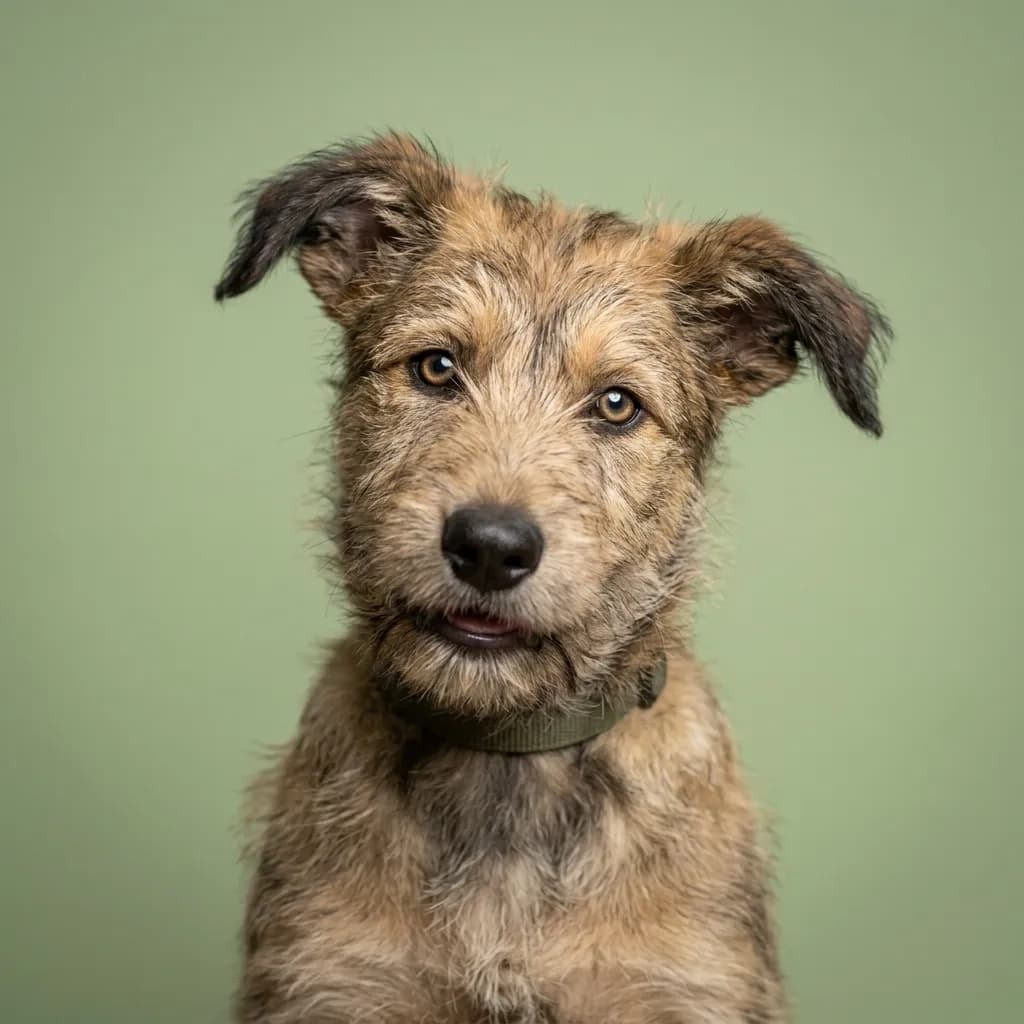
What Training a Berger Picard Is Actually Like
Training a Berger Picard is like partnering with a sharp, opinionated farmhand who wants to do the job right but insists on understanding the blueprint first. These dogs are in the top third of working intelligence, picking up new commands in 15 to 25 repetitions, and they obey first commands about 70% of the time. That’s above average, but don’t mistake it for eagerness to please like a Border Collie. The Picard is thoughtful, sometimes skeptical, and always watching. They’re bred to make independent decisions while herding cattle across open fields, so they’ll assess whether your recall command makes sense before complying. They’re loyal and good-natured, not aloof, but they demand clarity. If your cues are inconsistent or your training lacks purpose, they’ll invent their own job—often involving circling the kids at dinner or nipping at heels during zoomies.
Because their energy and mental stimulation needs both rate 4 out of 5, undertraining leads to redirected herding behaviors. A bored Picard will start managing your household like livestock. This isn’t a breed you can wing with weekend obedience classes. They need structure, frequent challenges, and a job—even if it’s just learning a new trick every week.
Training Timeline
Start at 8 weeks: The socialization window shuts by 12 weeks, so flood them with positive exposure—different people, surfaces, sounds, dogs. Use high-value play rewards to build confidence.
By 5 months: Begin formal cues. Their trainability score of 4 out of 5 means they’ll catch on fast, but keep sessions short and precise.
Weeks 44 to 56 (11–14 months): This is their second fear period. Avoid forced introductions. Stick to known routines and reinforce confidence with tasks they’ve mastered.
Months 6 to 18: Full adolescence hits. They’ll test boundaries, especially if under-stimulated. This is when redirected herding often starts. Ramp up structured work—agility foundations, scent games, directed searches.
At 14 months: They hit emotional maturity. By now, consistent training should have channeled their drive into cooperation, not chaos.
Breed-Specific Challenges
First, their herding instinct doesn’t just fade with age. Without a job, they’ll herd children, pets, or even vacuum cleaners. You must redirect that impulse into structured tasks early.
Second, their observational nature means they notice—and exploit—your inconsistencies. If you sometimes allow jumping or ignore loose-leash regression, they’ll assume the rules changed.
Third, the second fear period at 11–14 months can manifest as sudden wariness toward familiar things. Pushing through it with force ruins trust. You have to back off and rebuild.
Fourth, they bond deeply with their family but can be aloof with strangers. Without early, ongoing socialization, that aloofness can tip into suspicion.
What Works Best
Use a cooperative precision approach: clear goals, clean cues, structured progression. Sessions should last 8–12 minutes, 3–4 times daily. These dogs thrive on subtle body language, so pair verbal commands with consistent gestures.
Reward with play and praise, not just food. A sturdy tug toy or a quick fetch game hits harder than kibble. Rotate tasks weekly to keep them engaged—this breed needs novelty.
Pace is key. They learn fast but resist repetition without purpose. If they’ve nailed a recall in the yard, test it at the park with distractions, not another backyard run-through.
Train like you’re building a working partner, because that’s what they’re wired to be.
Crate Training Your Berger Picard
A Berger Picard needs a 42-inch crate as an adult; start with a 36-inch and use a sturdy divider for puppies, but plan to remove it by 7 months since they grow fast and hate feeling cramped. These dogs are smart and cooperative but intensely observant, so they’ll watch your routine closely. That means you can build trust quickly with consistency, but they’ll also pick up on any inconsistency in your timing or cues. Crate training works best when tied to structured tasks—think short, clear objectives like “go to bed” after a 10-minute precision heeling session, not just tossing them in after a walk.
Their energy level is high—4 out of 5—but their good-natured loyalty means they’ll accept crating if it feels like part of a shared job, not punishment. Still, don’t expect them to settle instantly. Most Picards need 20 to 30 minutes of focused activity before crating, whether it’s a recall drill or a nosework game. Left to their own devices beforehand, they might chew crate pads or dig at the mat. I’ve seen more than one Picard puppy shred a foam pad in 15 minutes because it was the only “challenge” available.
Aim for max 4 hours crated during the day, even for adults. They’re loyal to a fault and don’t do well with long separations. Barking is rare unless they’re bored or genuinely concerned—think “where did you go?” not “I’m mad.” To prevent fussing, rotate in puzzle toys stuffed with food every couple of hours if you’re gone longer. And skip soft-sided crates. Their size and occasional mouthiness mean a heavy-duty wire crate with a chew-proof mat is non-negotiable. Make the crate a predictable part of their job, and they’ll respect it. Treat it like an afterthought and they’ll turn it into a project.
Potty Training Your Berger Picard
Potty training a Berger Picard is generally a manageable process thanks to their above-average trainability and observant nature. They fall into Coren’s third tier, meaning they pick up new commands in 15 to 25 repetitions, and they’re loyal enough to want to please—but don’t mistake that for blind obedience. These dogs are thoughtful, sometimes to a fault. They’ll assess the situation before responding, which can come off as stubbornness if you’re expecting instant compliance. Consistency is non-negotiable.
Their size works in your favor. At around 60 pounds on average, they have a decent bladder capacity, so you won’t be doing overnight marathons like with a teacup breed. Most Berger Picards can make it through the night by 12 to 16 weeks, and with a solid routine, daytime accidents drop off quickly. That said, their independent streak means they won’t automatically follow your schedule just because you insist. You’ll need to be proactive—take them out every 2 to 3 hours, after meals, naps, and play sessions—and stick to it religiously for at least the first 3 months.
A realistic timeline for reliable house training is 4 to 6 months, though some individuals may take up to 8 months, especially if the routine slips. Their observant nature means they’ll notice if you’re inconsistent, and they’ll exploit it.
One challenge is their tendency to be a little too clever about timing. They might wait until you’re distracted to sneak a pee behind the couch—not out of defiance, but because they’ve learned they can get away with it. Supervision is key. Crate training helps, but don’t overdo it.
When it comes to rewards, high-value treats like small bits of cooked chicken or freeze-dried liver work better than praise alone. They’re good-natured but not overly effusive, so tangible reinforcement keeps them engaged. Pair the treat with calm, clear praise and you’ll see steady progress.
Leash Training Your Berger Picard
Leash training a Berger Picard is a mix of managing their herding instincts and harnessing their sharp mind. These dogs are large, averaging around 60 pounds, and built for endurance with that 4/5 energy level, so they’re not the type to amble along casually. They want to do something, and if you’re not giving clear direction, they’ll start making their own decisions. That’s where the problems usually start.
The best setup? A well-fitted front-clip harness. I know some people swear by collars, but with a Picard’s strength and tendency to lean into pressure when excited, you’re fighting physics. A front-clip harness discourages pulling by redirecting their momentum sideways, which is way more effective than yanking back. This isn’t a breed that needs heavy correction—they’re too sensitive for that. Their trainability is solid at 4/5, and they respond best to cooperative precision. Think partnership, not power.
Their herding background shows up in subtle ways. You won’t see them pulling like a husky, but they’ll weave ahead or cut in front, like they’re positioning livestock. They’re observant, always scanning, which means distractions get their full attention. Prey drive isn’t off the charts like a sighthound, but if a rabbit darts, they’ll pivot fast. That’s when your consistent cue work pays off.
Common leash issues include lagging behind when overstimulated or forging ahead when excited. Some will also “shadow” your leg, staying oddly close, which stems from their good-natured loyalty but can trip you up.
Realistically, a well-trained Berger Picard won’t walk like a show-line German Shepherd in perfect heel. But you can expect loose-leash walking with occasional check-ins, reliable turn-arounds on cue, and solid focus in moderate distractions. They’ll stay engaged because they like working with you. Keep sessions short, fun, and precise, and you’ll have a partner, not a passenger.
“I just wish someone would tell me what to do and when to do it.”
Not generic puppy tips. Not a video course you’ll never finish. Just one email a week telling you exactly what to work on with your Berger Picard, at the age they are right now. Nothing to sift through. Nothing to figure out. Just this week.
Get Started — It’s FreeTell us your breed and your puppy’s age. We’ll send you exactly what to work on this week.
Socializing Your Berger Picard
The Berger Picard’s socialization window hits between weeks 3 and 12, which means you’ve got a tight window—especially since their first fear period runs from weeks 8 to 11, right when most puppies are transitioning to new homes. That overlap is critical. A Picard who experiences something scary during that fear phase without proper support can lock that fear in long term. These dogs are naturally observant and loyal, which translates to wariness around new people, sounds, and situations if they’re not carefully exposed early.
Because they were bred to herd cattle and sheep in rural France, Picards are alert and independent thinkers. That’s great for problem-solving but risky if they haven’t learned what’s worth reacting to and what’s not. You need to expose them early and gently to children, sudden movements, loud noises like traffic or vacuums, and unfamiliar adults—especially men or people wearing hats, glasses, or bulky clothing. Their herding background means they may fixate or try to control motion, so kid interactions need supervision and tons of positive reinforcement.
Common mistakes? Overprotective owners who shield their Picard from anything “too much” too soon. Avoidance teaches them that unfamiliar things are dangerous. On the flip side, flooding them—dropping them into a crowded dog park at 9 weeks—is just as damaging. It’s about controlled, positive repetition.
Skip proper socialization and you’ll likely end up with a 60-pound adult who’s suspicious of guests, reactive on walks, or shuts down in new environments. Their loyalty turns into overprotectiveness. They may not bite, but they’ll certainly stress. A well-socialized Picard, though, is a confident, good-natured companion who watches the world calmly instead of reacting to it. You don’t get that without intentional work between weeks 8 and 12. After that, you’re managing fallout instead of building trust.