Training Your Bohemian Shepherd
Rare breeds with varied backgrounds. Approach based on breed's country of origin and original purpose.
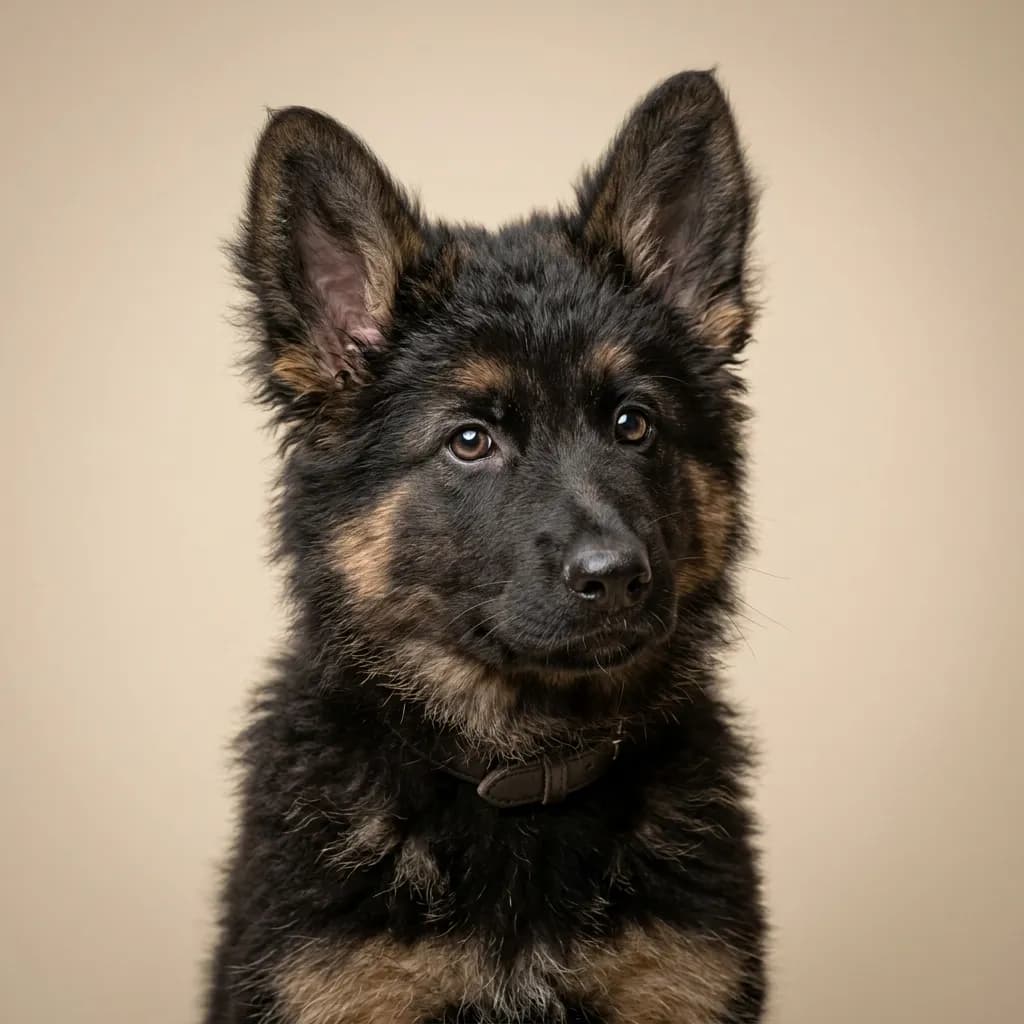
What Training a Bohemian Shepherd Is Actually Like
Training a Bohemian Shepherd feels like working with a clever, opinionated teenager who genuinely wants to please but has strong ideas about how things should go. Their intelligence is obvious—they’re in Coren’s third tier, meaning they pick up new commands in 15 to 25 repetitions, and they obey first commands about 70% of the time. That’s solid, but their herding and guarding background means they’re not always eager to follow your plan if they think they’ve spotted a better one. They’re alert, devoted, and quick to notice changes in their environment, which is great for protection instincts but can lead to distraction during training if you’re not consistent. They need mental stimulation—rate it a 4 out of 5—and without it, they’ll invent their own jobs, like reorganizing your backyard or barking at passing bicycles. These dogs aren’t for beginners. They thrive with experienced owners who can lead calmly and consistently. If you’re active and enjoy structure, this breed will shine. If you’re laid-back or live in an apartment, you’ll struggle.
Training Timeline
Start the day you bring your puppy home at 8 weeks. The socialization window closes fast—by 12 weeks—so prioritize exposure to people, sounds, surfaces, and other animals. Use short, positive sessions—5 minutes max—multiple times a day. Between months 3 and 5, your puppy hits the start of adolescence. Expect testing, selective hearing, and maybe some leash resistance. Around week 32 to 40, the second fear period hits. Be extra careful not to force interactions; use confidence-building exercises instead. Months 5 to 14 are the core adolescence stretch. This is when their guarding instincts may start showing—barking at strangers, circling the yard, or herding kids or pets. Reinforce focus and impulse control daily. By 9 months, they’re mentally mature enough to handle more complex tasks, but physical maturity takes longer. Stick with consistency and you’ll see solid obedience emerge by 14 months.
Breed-Specific Challenges
First, independence. They were bred to make decisions while guarding flocks, so they don’t default to looking at you for direction. You’ll need to earn their focus, not assume it. Second, vocalization. They alert readily, which is useful on a farm but problematic in suburban settings. Early and ongoing bark modulation training is non-negotiable. Third, herding behavior. They may nip at heels, chase bikes, or try to “round up” small children. This isn’t aggression—it’s instinct—but it needs redirecting early. Finally, wariness with strangers. While not aggressive, they’re naturally suspicious of new people, especially during their fear period. Poorly managed, this can become ingrained shyness.
What Works Best
Use an adaptive mixed approach—combine positive reinforcement with clear, consistent structure. Their Czech roots mean they respond well to calm authority, not force. Keep sessions short—10 minutes at a time—especially during adolescence, and train daily. They do best with high-value rewards like chicken or cheese, not just kibble. Rotate tasks to keep them engaged; their mental stimulation needs are high, so puzzle toys and trick training should be part of your routine. Practice commands in multiple environments—this breed generalizes slowly. And always, always reinforce loose-leash walking. Their medium size and energy mean they can become strong if not taught early.
Crate Training Your Bohemian Shepherd
A Bohemian Shepherd averages around 48 pounds, so plan for a 36-inch crate even if you’re starting with a puppy. These dogs grow steadily but not explosively, and their trainability score of 4/5 means they adapt quickly to boundaries, making crate training smoother than with many breeds. Use a divider from day one; it keeps the space cozy and prevents the puppy from soiling one end and sleeping in the other. That said, don’t leave the divider in too long—they’re intelligent and notice if the space feels restrictive past a certain point, usually around 5-6 months.
Their energy level is moderate—3 out of 5—and they’re alert without being hyper. This works in your favor. They don’t typically fight the crate like high-strung breeds might, but they won’t settle instantly either. A short, structured wind-down routine helps: 10 minutes of light play followed by a chew treat in the crate. They’re devoted and bond closely, so crate time shouldn’t stretch too long during the day. Puppies max out at about 3 hours between breaks; adults can handle 6 to 8 hours overnight, but leaving them crated all day while you work isn’t ideal. They need mental engagement, not just confinement.
One quirk: their intelligence and mouthiness can lead to chewing crate pads or fabric covers. Skip the plush bedding early on—go with a durable rubber mat and a frozen Kong stuffed with kibble and peanut butter. They’re not excessive barkers, but if they’re alert and sense something’s off, they’ll vocalize to check in. That’s not resistance, just communication. Respond calmly, but don’t reinforce it by rushing over.
Introduce the crate as their den, not just a timeout spot. Feed meals inside and rotate chews to build positive association. Their devotion means they’ll accept the crate as part of the family rhythm, as long as it’s not used as isolation.
Potty Training Your Bohemian Shepherd
Bohemian Shepherds are medium-sized dogs at around 48 pounds on average, which gives them a decent bladder capacity compared to toy breeds, but they’re still growing puppies with limits. You can expect a young Bohemian Shepherd to hold it for about one hour per month of age, so a 3-month-old might make it 3 hours. Their size means fewer indoor accidents from sheer inability to wait, but consistency is still key—don’t push it.
These dogs are intelligent and ranked in Coren’s Above Average working dogs, needing just 15 to 25 repetitions to learn a new command. They’re devoted and eager to please their people, which makes potty training smoother than with more independent breeds. That said, they can have moments of quiet stubbornness, especially if they’re focused on something else—like watching birds out the window. So while they’re not defiant by nature, they do best with calm, persistent routines.
Most Bohemian Shepherds are reliably house-trained by 5 to 7 months, assuming consistent schedules, crate training, and positive reinforcement. Crate training works well for this breed because they’re naturally clean and dislike soiling their den space. Just make sure the crate is properly sized—too big and they’ll use one end as a bathroom.
One challenge can be their alertness. Once outside, they might get distracted by sounds or movement and forget why they’re out there. Keep potty trips focused—short, quiet walks on a leash with minimal stimulation until they go. Then reward immediately.
For rewards, high-value treats like small bits of chicken or cheese work best, paired with enthusiastic praise. They respond strongly to their owner’s approval, so a cheerful “Yes!” the moment they finish peeing or pooping outside reinforces the behavior faster than delayed treats. Keep training sessions short and frequent, and stick to a schedule—they thrive on predictability.
Leash Training Your Bohemian Shepherd
The Bohemian Shepherd is strong for its medium size at 48 pounds and built with purpose, so you’ll want a harness over a collar from day one. A front-clip harness works well during early training because it gently discourages pulling without compromising their natural gait. This breed has moderate energy—3 out of 5—and isn’t prone to explosive pulling like high-drive working dogs, but they will test boundaries if bored. Their trainability is solid at 4 out of 5, so they pick up leash manners quickly when training is consistent and positive.
Being bred for herding and guarding livestock means they’re alert and aware of their surroundings. On leash, this often shows up as weaving slightly ahead or behind your leg, scanning for movement, or pausing to assess stimuli. It’s not defiance—it’s instinct. They’re not scent hounds, so they won’t stop every five feet to sniff, but they do check in with their environment, especially in open areas. Prey drive is moderate, so squirrels or rabbits might spark a surge, but it’s usually short-lived if you’ve built good focus.
Common leash issues include light pulling when excited and occasional leash reactivity to unfamiliar dogs or livestock, rooted in their guarding background. Early socialization helps, but don’t expect them to walk like a perfectly polished service dog. “Good” leash behavior for a Bohemian Shepherd means walking within a body length of you, responding to direction changes, and staying attentive without constant treats. They won’t float beside you like a German Shepherd, but they’ll stay engaged and cooperative.
Use an adaptive mixed approach: positive reinforcement for focus and loose-leash walking, plus timely corrections for pulling—nothing harsh, just clear feedback. They’re intelligent and devoted, so they want to get it right. Train in short, varied sessions and keep it interesting. With their temperament and trainability, you’ll have a reliable walking partner in a few weeks.
“I just wish someone would tell me what to do and when to do it.”
Not generic puppy tips. Not a video course you’ll never finish. Just one email a week telling you exactly what to work on with your Bohemian Shepherd, at the age they are right now. Nothing to sift through. Nothing to figure out. Just this week.
Get Started — It’s FreeTell us your breed and your puppy’s age. We’ll send you exactly what to work on this week.
Socializing Your Bohemian Shepherd
You’ve got to hit socialization hard with a Bohemian Shepherd between weeks 3 and 12, and that’s non-negotiable. Their socialization window overlaps directly with their first fear period—weeks 8 to 11—which is when most pups go to new homes. That timing is critical because a pup that’s already genetically wired to be alert and protective can start misreading harmless situations as threats if you’re not proactive. Miss those weeks and you’re playing catch-up with a dog who was literally bred to guard and assess risk.
These dogs need heavy, positive exposure to strangers, kids, and sudden movements. They were herding and guarding livestock in rural Bohemia, so unfamiliar people, loud noises, and fast activity can trigger suspicion. You can’t just walk them around the block and call it good. Take them to busy sidewalks, outdoor markets, parks with kids playing, and invite friends over regularly—especially people who look or move differently. Invite toddlers, people with hats and umbrellas, cyclists, skateboards. Make every new thing a treat moment.
They’re naturally wary of unfamiliar sounds and sudden changes. That’s not aggression, it’s instinct. But if you don’t flip that wariness into confidence early, you’ll end up with a 48-pound dog who barks at delivery guys or freezes up at the vet. Common mistakes? Waiting too long to start, skipping noisy environments, or punishing fear-based reactions. That only confirms their suspicion.
Skip proper socialization and their adult temperament shifts from friendly and devoted to guarded and reactive. At 9 months they mature fast, and after that, retraining is uphill. A well-socialized Bohemian Shepherd is a confident, discerning companion. One that missed early exposure? He’ll be watching your back—but maybe a little too closely.