Training Your Braque Francais Pyrenean
Rare breeds with varied backgrounds. Approach based on breed's country of origin and original purpose.
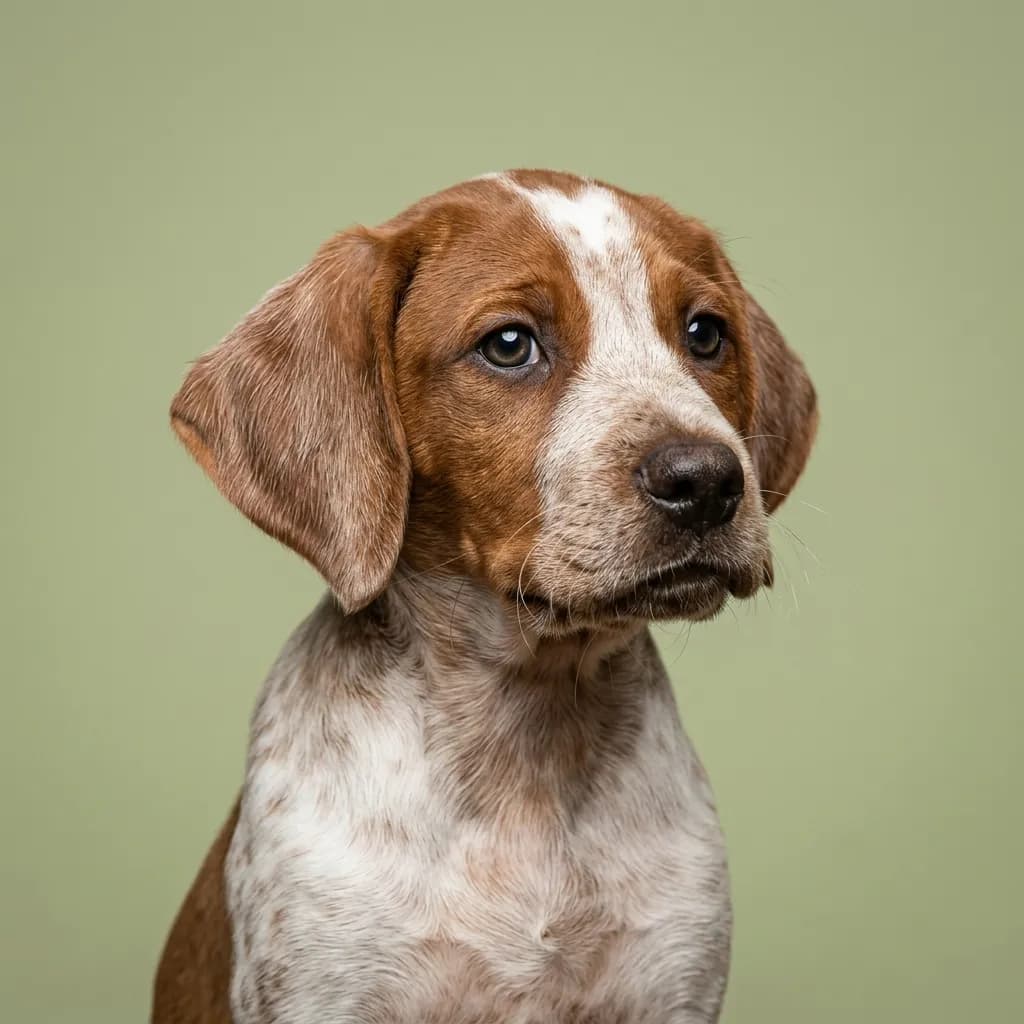
What Training a Braque Francais Pyrenean Is Actually Like
Training a Braque Francais Pyrenean is like working with a smart, high-energy teenager who genuinely wants to help but gets distracted by every squirrel, bird, or rustling leaf. They’re in the "Average" tier on Coren’s intelligence scale, meaning they’ll learn a new command in 25 to 40 repetitions—slower than a Border Collie but far from stubborn. What they lack in lightning-fast comprehension, they make up for in willingness. These dogs were bred to work closely with hunters in rugged terrain, so they’re attentive to handlers and eager to please when engaged. But their 5/5 energy and strong prey drive mean focus is a constant battle. You can’t train them like a Labrador. They need purpose, variety, and a lot of physical output before you expect mental work. If you’re consistent, they’ll surprise you with their retention and adaptability. If you’re not, they’ll develop habits—like bolting after wildlife or ignoring recalls—that are tough to undo.
Training Timeline
Start training at 8 weeks. Their socialization window closes at 12 weeks, so prioritize exposure to people, surfaces, sounds, and other animals early. Use positive reinforcement; fear-based methods backfire, especially during their second fear period at weeks 32 to 40. By 5 months, adolescence hits hard. Expect testing, selective hearing, and increased impulsivity. This phase lasts until 14 months, so stay consistent. Housebreaking usually clicks by 6 months, but crate training helps given their size and energy. Basic obedience—sit, stay, come—should be introduced by 10 weeks and reinforced daily. By 9 months, they’ve reached emotional maturity, and training becomes noticeably smoother. That’s when you can layer in advanced skills like off-leash hiking, scent work, or retrieving drills. Introduce a long line by 6 months for safe recall practice, especially in open areas.
Breed-Specific Challenges
First, the prey drive is intense. They were bred to point and retrieve game birds, so a squirrel or pheasant can instantly override recall. This isn’t defiance—it’s instinct. Management and high-value reinforcement are non-negotiable. Second, their energy level demands daily outlets. Without 60-90 minutes of vigorous exercise, training sessions are pointless. A tired Braque is a trainable Braque. Third, they’re sensitive to tone and inconsistency. Harsh corrections damage trust, but wishy-washy rules create confusion. They thrive on clear, fair leadership. Finally, their average trainability means repetition is key. You can’t teach a command once and expect retention. Expect to rehearse basics weekly, even after mastery.
What Works Best
Use an adaptive mixed approach: blend positive reinforcement with structured tasks that mimic hunting work. Keep sessions short—10 to 15 minutes, 2-3 times daily—especially during adolescence. Their mental stimulation needs are moderate (3/5), so variety prevents burnout. Rotate between obedience drills, scent games, and off-leash hikes with intermittent commands. Reward with food early on, then shift to play and access to exploration as primary reinforcers. These dogs love to do, so letting them chase a bumper after a successful recall ties work to reward naturally. Train after exercise, never before. A fired-up Pyrenean won’t sit still for sit. Finally, be patient with their 50% first-command obedience. Repeat, reinforce, and reset. They’ll get there.
Crate Training Your Braque Francais Pyrenean
A Braque Francais Pyrenean needs a 36-inch crate once full grown, and yes, use a divider for a puppy. They’re medium-sized dogs — around 48 pounds on average — but they move a lot in their sleep and stretch out when they sprawl. A divider keeps the space appropriate during growth without buying multiple crates. Start with the crate closed off to just the size they need now, then expand as they fill out; most reach adult size by 10 to 11 months.
These dogs are smart and eager to please, but their 5/5 energy means they won’t settle instantly. Don’t expect a Pyrenean to nap quietly right away. They’re not typically barkers, but if crated too long, they’ll whine or paw at the door from sheer boredom. Their willingness to please helps with training, but their trainability is only a 3/5 because they’re independent thinkers when bored. So keep sessions upbeat and short, and stuff that crate with durable chew toys like a Kong filled with peanut butter or frozen broth — this breed is prone to mouthing things, especially as puppies.
Crating for more than 4 hours at a stretch is pushing it, even for adults. They need physical and mental fatigue first; a tired Pyrenean is a calm cratee. Take them for a long walk or do 20 minutes of retrieval before crating. And don’t be surprised if they dig at the pad a little — it’s a nesting instinct, not anxiety. A thick, chew-proof pad helps.
Make the crate a default hangout. Leave it open with meals inside, and toss in treats when they go in voluntarily. These dogs bond hard to their people, so crate training done gently builds security, not stress. Just don’t use it as timeout — they respond better to inclusion than isolation.
Potty Training Your Braque Francais Pyrenean
The Braque Francais Pyrenean is a medium-sized dog, averaging around 48 pounds, which gives them a decent bladder capacity for their size. Puppies in this breed can typically hold it for about one hour per month of age, so a 12-week-old pup needs a potty break every three hours. You won’t have the constant urgency of a tiny breed, but consistency is still non-negotiable. Their size means fewer accidents from sheer physical limitation, but don’t mistake that for readiness—most Pyreneans aren’t reliably house-trained until 6 to 8 months, sometimes later.
Trainability in this breed sits at a 3 out of 5, which means they’re smart and willing to please, but not the quickest learners. They’ll need 25 to 40 repetitions to really grasp a command or routine, so patience is key. They aren’t stubborn in the defiant sense, more like thoughtful. They’ll consider whether they want to comply, especially if something more interesting is happening. Outdoors, their hunting heritage can kick in—birds, scents, sudden noises—and they’ll forget potty is the mission. Keep sessions short, focused, and on a leash in a distraction-minimized zone.
One challenge is their sensitivity. They respond poorly to scolding, so clean accidents calmly and without drama. They’re far more motivated by praise and positive reinforcement than treats alone. That said, a small, high-value treat like tiny bits of chicken or freeze-dried liver works well when paired with immediate verbal praise. They bond closely with their people, so your approval matters deeply. Use that to your advantage—make potty success a big emotional moment for them.
Stick to a rigid schedule, supervise closely, and crate when unsupervised. With consistency, most Pyreneans are reliably house-trained by 7 months, though occasional lapses can happen up to a year. They’re not the fastest, but they get there with steady, kind guidance.
Leash Training Your Braque Francais Pyrenean
Leash training a Braque Francais Pyrenean means working with a dog built for motion and driven by instinct. At 48 pounds on average, they’re strong enough to pull hard, especially when they catch a scent or spot movement. A front-clip harness is your best bet—it gives you more control than a collar, especially during those sudden lunges toward squirrels or birds. Skip the standard back-clip harness; it can actually encourage pulling in athletic, driven dogs like this. A well-fitted martingale collar works okay for casual walks once training is solid, but start with the front-clip to manage their power early on.
These dogs were bred to range widely across rugged terrain, pointing and retrieving upland game. That means they’re wired to explore, not heel. Expect them to pull toward anything interesting, stop short when they catch a scent, or pivot mid-stride to investigate off-path distractions. Their 5/5 energy level means they’ll test the leash more on low-stimulation walks—boredom turns into pulling or zigzagging. Keep sessions short, upbeat, and varied. Mix in recall drills, loose-leash walking, and scent breaks so they don’t fixate.
Common leash issues? Pulling ahead, distraction refocusing, and occasional stubbornness when prey drive kicks in. Their trainability hovers at a moderate 3/5—not because they’re dumb; they’re too smart and independent. They’ll decide when to listen. Use high-value treats and reward-based cues, but be consistent. Let them sniff—just not until the walk stalls. A "good" leash walk for a Pyrenean isn’t military precision. It’s loose leash most of the time, with quick recoveries after distractions, and a dog who checks in regularly. They’ll never be as biddable as a Labrador, but with realistic expectations and adaptive mixed training—positive reinforcement layered with clear boundaries—you’ll get cooperation, not just compliance.
“I just wish someone would tell me what to do and when to do it.”
Not generic puppy tips. Not a video course you’ll never finish. Just one email a week telling you exactly what to work on with your Braque Francais Pyrenean, at the age they are right now. Nothing to sift through. Nothing to figure out. Just this week.
Get Started — It’s FreeTell us your breed and your puppy’s age. We’ll send you exactly what to work on this week.
Socializing Your Braque Francais Pyrenean
The Braque Francais Pyrenean is a smart, willing dog with a narrow but critical socialization window—weeks 3 to 12—and here’s where it gets tricky. That window overlaps almost exactly with their first fear period, which hits between weeks 8 and 11. That means the very time you’re bringing your puppy home and starting socialization is also when they’re most vulnerable to lasting negative impressions. One scary experience during week 10 can stick with them far longer than with some other breeds.
Because they were bred to point and retrieve upland game in rugged terrain, these dogs are naturally alert and observant. That focus is great in the field but can tip toward wariness if not shaped early. They need more exposure to sudden noises—gunshots, clapping, dropped pans—and fast-moving objects like bikes or kids on scooters. Without it, that hunter’s sensitivity becomes overcautiousness. They’re not aggressive, but they can become aloof or hesitant, especially around unfamiliar people or chaotic environments.
A common mistake is assuming their friendly nature means they’ll “figure it out” on their own. They won’t. Because they’re so eager to please, they’ll look to you for cues. If you’re tense around strangers or loud sounds, they’ll lock that reaction in fast. Another error is overprotecting them during the fear period—avoiding new experiences “until they’re older.” That backfires. Instead, controlled, positive exposures during weeks 8 to 11 are non-negotiable. Let them investigate at their own pace, reward calmness, and never force interaction.
Skip proper socialization and you don’t get a guard dog—you get a dog that’s too unsure to engage, hesitant in new environments, and easily spooked by the very sounds and sights they’d encounter in their intended work. A well-socialized Pyrenean is confident, adaptable, and eager to connect. Neglect it, and you’ll spend years managing avoidant behaviors that could’ve been prevented in those first three months.