Training Your Cairn Terrier
Bred for tenacity and independence. Gets bored fast, needs variety. Responds to enthusiasm and play. Can be stubborn but not untrainable -- just needs the right motivation.
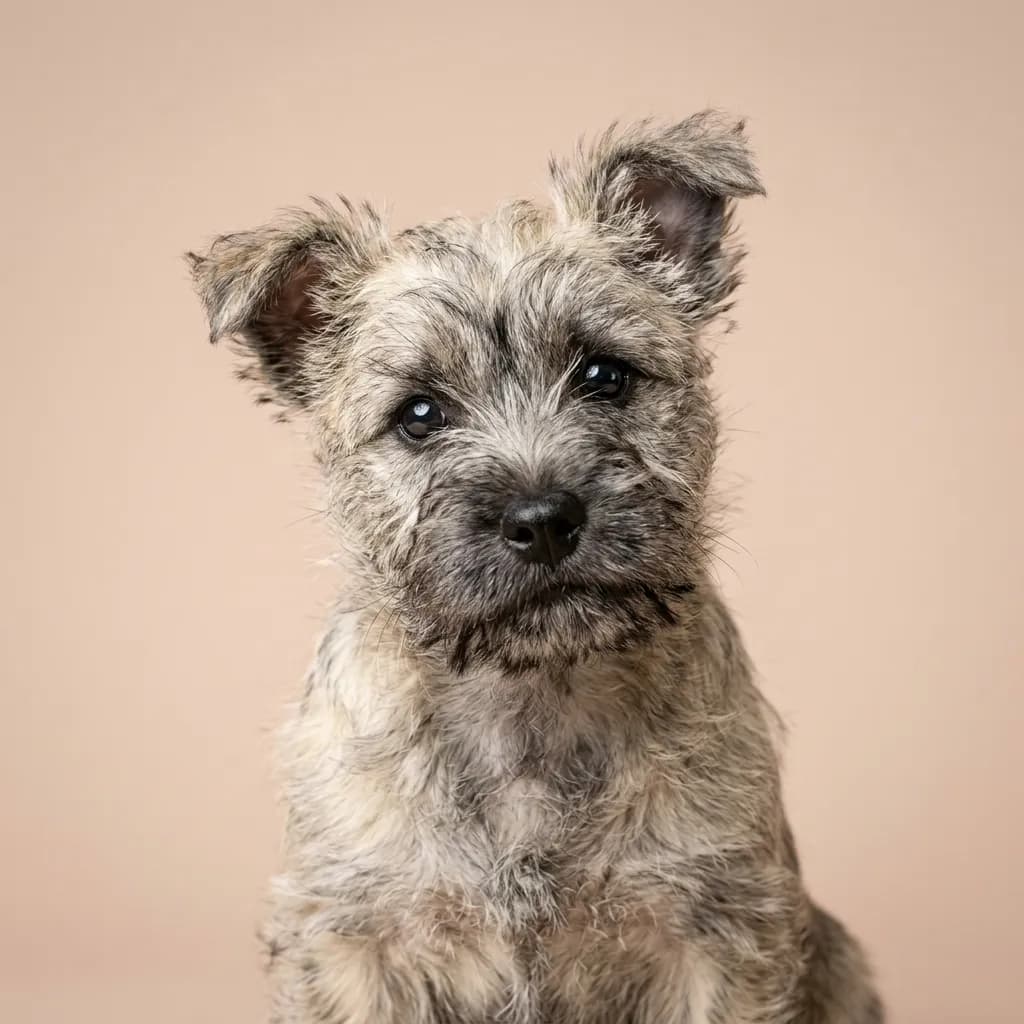
What Training a Cairn Terrier Is Actually Like
Training a Cairn Terrier is like working with a clever, high-energy third grader who gets straight A’s when interested but will flat-out ignore you if bored. They’re in the top third of dog breeds for learning speed—picking up new commands in 15 to 25 repetitions—and they’ll follow your first command about 70% of the time. That’s solid, but don’t mistake it for eagerness to please. Cairns were bred to work independently, digging out prey from rocky dens without waiting for instructions. That means they’ll often ask, “Why should I?” before complying. They’re not defiant, just pragmatic. Keep sessions fast, fun, and full of surprises, and they’ll outperform most small breeds. Drag it out or repeat the same drill, and they’ll start chewing your shoe instead.
Training Timeline
Start training the day you bring your pup home at 8 weeks. The socialization window closes fast—by 12 weeks—so expose them to kids, bikes, loud noises, and different surfaces immediately. Enroll in a puppy class by 10 weeks. Between 16 and 20 weeks, focus on impulse control and recall with a long line; don’t trust off-leash freedom yet. At 6 months, they hit mental maturity, but don’t celebrate too soon—adolescence kicks in hard from months 4 to 10. Expect testing behaviors like selective hearing and zoomies mid-heel. A second fear period hits around 24 to 28 weeks. If your confident pup suddenly freezes at a plastic bag, don’t force it. Use distance and treats to rebuild confidence. By 10 months, most settle into a steadier rhythm, though the terrier spark never fades.
Breed-Specific Challenges
First, prey drive is intense. They were built to chase and dig out small animals, so squirrels, chipmunks, and even pet-store hamsters are viewed as job opportunities. Off-leash freedom in unfenced areas is a hard no. Second, their independence can look like stubbornness. They’ll weigh your request against their current interest and often choose the latter. Third, they’re vocal. Alert barking is part of their job description, and without management, it becomes chronic. Lastly, they can be scrappy with dogs they don’t know, especially same-sex pairings. Early, ongoing socialization helps, but never assume they’ll play nice at dog parks.
What Works Best
Short, high-energy sessions are non-negotiable. Two to five minutes, two or three times a day, with zero repetition of the same drill. Rotate between sit, stay, touch, and recall games like they’re stations at a boot camp. Use play as a reward—tug with a rope toy works better than praise. When food is needed, go high value: freeze-dried liver, not kibble. Keep your voice loud and cheerful; their ears perk at enthusiasm. Train before meals when they’re hungry and after play when they’re still switched on. Avoid punishment or heavy-handed corrections. They’ll either tune you out or retaliate with passive resistance. Consistency, variety, and a sense of humor—that’s the Cairn formula.
Crate Training Your Cairn Terrier
Cairn Terrier puppies need a 24-inch crate, no bigger. At 14 pounds average, they’re small, but if you’re starting with a puppy, get one with a divider. You’ll want to block off the back so they don’t have space to potty in one end and sleep in the other. These dogs are alert and busy, not couch potatoes, so don’t expect them to settle the second you close the door. They’ll sniff, scratch, maybe bark—classic terrier “what even is calm?” energy. The good news is they’re curious and food-motivated, so use that. Keep training sessions to 2-3 minutes, high energy, with lots of praise and tiny treats. Switch up the cues—“kennel up,” “bed,” “den time”—so they don’t tune out.
They can handle 3-4 hours crated once fully trained, but only if they’ve had a solid walk or play session first. Don’t expect miracles from a 10-week-old pup. They’ve got moderate separation tolerance, but leave a stuffed Kong or frozen washcloth to chew on. Which brings up a quirk: Cairns love to mouth things. They’ll chew crate pads, pee pads, even the crate bars if they’re bored. Use a chew-proof pad or skip the padding altogether. Wire crates work better than plastic—they’re harder to destroy and let your dog see what’s happening, which suits their alert nature.
They’ll dig at the bedding a little—terrier instinct—but it’s rarely destructive. Just keep the bedding minimal. And yes, they’ll bark when first crated. Don’t let them out while they’re yelling. Wait 30 seconds of quiet, then open the door. They learn fast when the rules are consistent. Crate training a Cairn isn’t hard, but it’s not passive. You’ve got to be quick, upbeat, and a little stubborn—just like the dog.
Potty Training Your Cairn Terrier
Cairn Terriers are small, averaging around 14 pounds, which means their bladders are too. You’re not going to get long stretches from a puppy, especially under four months old. Expect to take them out every 1.5 to 2 hours during the day, and yes, that means nighttime wake-ups for the under-16-week crew. Their size alone stretches the potty training timeline—you can’t expect the same endurance as a bigger breed. Most Cairns are reliably house-trained by 6 to 8 months, but some take longer, especially if you skip consistency.
They’re ranked in Coren’s third tier with above-average working intelligence, meaning they learn new commands in 15 to 25 repetitions. But here’s the catch: they’re terriers. Alert, busy, and cheerfully independent. They’re not as eager to please as a Golden Retriever. They’ll figure out the routine fast, but they might choose to ignore it if something more interesting comes along—like chasing a leaf or digging in the corner of the yard. That independence means you can’t rely on motivation alone. You need structure, routine, and sharp timing.
One real challenge with small terriers like Cairns is they’re sneaky about indoor accidents. They’ll find quiet corners behind furniture or under desks to go, especially if they’re left unsupervised too long. Crate training isn’t optional—it’s essential. Confine them when you can’t watch, and expand freedom slowly.
Rewards? Make them immediate and high-value. Cairns respond well to praise paired with small, tasty treats—think tiny bits of chicken or freeze-dried liver. The cheerful temperament means they love praise, but food seals the deal. Don’t delay the reward; give it within seconds of them finishing outside. And remember, consistency beats cleverness. Same schedule, same door, same yard spot. That’s what turns a busy little terrier into a reliable house dog.
Leash Training Your Cairn Terrier
Cairn Terriers are strong for their size and built like little tanks, so don’t be fooled by that 14-pound frame. A standard collar can put too much pressure on their neck, especially when they get excited and lunge at a squirrel or rabbit—yes, even in the city. A good choice is a well-fitted front-clip harness. It gives you more control and discourages pulling without hurting their trachea. Avoid back-clip harnesses if you can; they let terriers power through, and Cairns are stubborn enough as it is.
Their energy is moderate—3 out of 5—but their prey drive is sky-high. They were bred to dig into cairns and chase out vermin, so distractions like rustling leaves, small animals, or even fluttering pigeons will flip a switch. That means on-leash, they’re alert and busy, constantly scanning. You’ll see sudden stops to sniff, sharp tugs toward scent trails, and that classic terrier stubbornness when they decide they’re going one way.
Common leash issues? Pulling, refusal to move when they catch a scent, and selective hearing when excitement hits. Their bolting instinct is real. They’re not trying to dominate you—they’re just doing what they were built to do.
“Good” leash behavior for a Cairn isn’t perfection. It’s loose-leash walking most of the time, consistent check-ins, and responding to cues even when distractions pop up. Expect some negotiation on walks. Use high-energy rewards—tiny bits of chicken or a quick game of tug—and keep sessions short but frequent. They’re smart but independent, so consistency wins over repetition. Train in low-distraction areas first, then gradually add chaos. They’ll never be off-leash reliable in open areas, and that’s okay. A well-managed Cairn on a front-clip harness, checking in every few steps, is a success.
“I just wish someone would tell me what to do and when to do it.”
Not generic puppy tips. Not a video course you’ll never finish. Just one email a week telling you exactly what to work on with your Cairn Terrier, at the age they are right now. Nothing to sift through. Nothing to figure out. Just this week.
Get Started — It’s FreeTell us your breed and your puppy’s age. We’ll send you exactly what to work on this week.
Socializing Your Cairn Terrier
Cairn Terriers are sharp, bold little dogs with a lot on their minds; their socialization window between weeks 3 and 12 overlaps directly with their first fear period at weeks 8 to 11, which means timing is critical. You can’t afford to wait. These dogs were bred to go into dark, confined spaces after vermin in the Scottish Highlands, so they’re naturally independent and can be suspicious of new things. If you don’t socialize them properly during this narrow window, that wariness hardens into full-blown reactivity or fear-based aggression.
They need more exposure to novel sounds, sudden movements, and unfamiliar people—especially children and men, since they tend to be more cautious around deeper voices and larger figures. They also need frequent, positive experiences with other dogs, not because they’re inherently aggressive, but because their terrier drive makes them quick to challenge what they don’t understand. Letting them figure things out on their own is a mistake; that’s how you end up with a 14-pound dog who thinks he’s in charge of your home at 6 months, when they reach full maturity.
Common mistakes? Overprotecting them during the fear period—yes, they might flinch at a passing skateboard, but removing them from the situation reinforces the fear. Instead, stay calm, feed treats, and let them process at their pace. Another mistake is assuming their cheerful nature means they’re naturally social. They’re not. They’re alert first, friendly second.
Skip proper socialization and you’ll get a dog that’s too busy barking at the mailman, lunging at strangers, or growling when someone reaches for their toy. Their natural watchdog tendencies turn into chronic stress. But do it right—short, fun exposures, tons of treats, zero force—and you’ll have a confident, cheerful companion who’s bold without being bossy, and alert without being alarmed.