Training Your Carolina Dog
Rare breeds with varied backgrounds. Approach based on breed's country of origin and original purpose.
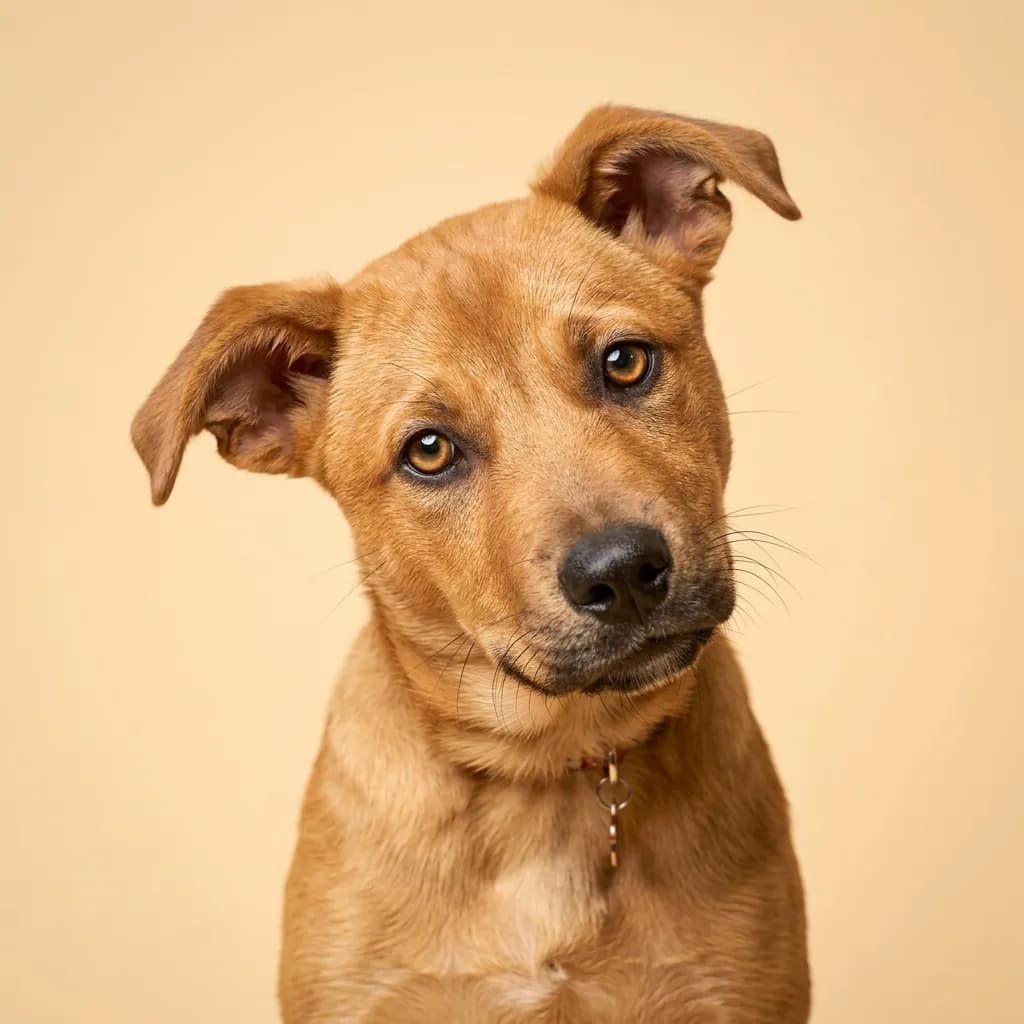
What Training a Carolina Dog Is Actually Like
Training a Carolina Dog isn’t about building instant obedience. It’s about negotiation, patience, and earning trust. These dogs are smart, but their intelligence is shaped by generations of self-reliance. They’re not eager-to-please like a Border Collie. Instead, they assess whether a command makes sense to them—and whether you’re worth following. Their Coren tier of 4 means they need 25 to 40 repetitions to learn a new command, and even then, first-command obedience hovers around 50%. That’s not failure. That’s the reality of working with a primitive breed built to survive on instinct, not fetch on cue. They’re moderately energetic and need mental stimulation, but not constantly. The challenge isn’t energy, it’s engagement. You have to make training worth their while.
Training Timeline
Start at 8 weeks. That’s when their socialization window opens, and it closes fast—by 12 weeks. Prioritize exposure to people, sounds, and environments. Between 5 and 14 months, expect adolescence: testing boundaries, selective hearing, and regression on known cues. But the real curveball comes at 32 to 40 weeks—their second fear period. A noise they ignored at 5 months might terrify them at 8. Go slow. Don’t force interactions. Keep experiences positive. By 9 months, they’re mentally mature, but adolescence drags on until 14 months. Stick to consistent routines. Reinforce known commands weekly. Don’t assume a mastered sit at 6 months will hold through the teen phase.
Breed-Specific Challenges
First, independence. They’re not stubborn—they’re thoughtful. They’ll weigh your request against their own judgment. You can’t overpower this; you have to out-strategize it. Second, reserve with strangers. Early socialization helps, but it doesn’t erase instinct. They won’t be your neighborhood greeter, and pushing them to be will increase anxiety. Third, prey drive. Bred to forage and hunt small animals in the Southeast wilderness, they may not safely coexist with cats or rabbits. Even well-trained individuals may react to movement unpredictably. Fourth, inconsistent recall. Their original job wasn’t to return to a handler. Off-leash freedom needs secure fencing and years of reinforced training. Even then, a squirrel might win.
What Works Best
Use adaptive mixed methodology—blend positive reinforcement with environmental shaping. Keep sessions short: 5 to 8 minutes, 2 to 3 times a day. Their attention span is decent but not endless. Reward variety works best: mix food (high-value like chicken or freeze-dried liver), praise, and access to exploration. Let a successful recall lead to a sniffing break—make it functional. Train in low-distraction settings first. Gradually layer in complexity. They respond best when training mimics natural problem-solving: hide-and-seek games, puzzle feeders, scent work. Avoid repetitive drills. They’ll disengage fast. Pacing matters—repeat commands 25 to 40 times, but vary context and reward to keep them invested. Consistency over intensity wins here.
Crate Training Your Carolina Dog
A Carolina Dog needs a 36-inch crate once full grown. That’s about 42 pounds on average and often a bit longer than other medium breeds thanks to their lean, athletic frame. If you’re starting with a puppy, get a crate with a divider. They grow steadily but not explosively, so a 36-inch with a removable divider gives them room to mature without feeling like they’re marooned in too much space. Too much empty crate can backfire with this breed—they like coziness, not caverns.
These dogs aren’t high-strung, but they’re not lazy either. Energy at 3/5 means they’ll settle in the crate after moderate activity, especially if they’ve had mental stimulation. But don’t expect instant compliance. Their independence shows here. They’ll assess the crate like it’s a questionable life decision. Patience wins. Use food puzzles or a stuffed Kong to build positive association—don’t just shut the door and walk away.
Carolina Dogs handle crating better than many think. Six to eight hours a day is doable for adults, but only if they get a solid 45 minutes of walking or off-leash time first. They’re reserved with strangers, so the crate becomes a sanctuary rather than a prison. That said, their loyalty means they notice when you leave. They won’t usually bark nonstop, but some will whine the first few days. Build tolerance slowly—start with 10-minute absences.
One quirk: puppies may chew crate pads or towels. Not destructive so much as curious. Stick to indestructible chew toys inside, not plush bedding. Also, some will dig at the crate mat like they’re adjusting a den. A rubber-backed mat helps. Don’t scold—just redirect.
This breed thrives on routine. Crate training works best when tied to a consistent schedule. They’ll accept the crate faster if it’s predictable. And skip the em dashes—just keep it simple, calm, and matter-of-fact. They’re smart enough to read your energy.
Potty Training Your Carolina Dog
Carolina Dogs are medium-sized at around 42 pounds on average, which means their bladder capacity develops faster than small breeds but they still need frequent potty breaks when young. Puppies usually manage 1 hour per month of age, so a 3-month-old may need out every 3 hours, including overnight. Don’t expect them to sleep through the night right away—expect 7 to 9 months before consistent overnight dryness is realistic.
Their trainability rating of 3 out of 5 and placement in Coren’s Tier 4 mean they learn at an average pace, needing 25 to 40 repetitions to reliably pick up a new command. They’re loyal and bond closely with their people, but they’re also independent thinkers, not eager-to-please dynamos like a Labrador. This independence can look like stubbornness if you’re using repetitive or forceful methods. They respond best to patient, consistent routines, not pressure.
Because they’re reserved with strangers and cautious by nature, they may hesitate to eliminate in new or exposed outdoor areas. If you move or introduce a new potty spot, expect some adjustment time. They’re not typically indoor markers like small breeds, but if left unsupervised too long, they might go inside due to stress or inconsistency, not defiance.
The most effective rewards during potty training are quiet praise paired with small, high-value treats—think real meat bits, not kibble. Avoid loud excitement; it can unsettle them. A calm “good” the moment they finish, followed by a treat, builds better association. Supervision is key. Crate training helps, since they’re clean by instinct, but don’t over-crate. Stick to a feeding and potty schedule, and take them out after meals, naps, and play sessions.
With consistency, most Carolina Dogs are reliably house-trained by 8 to 10 months, though occasional setbacks happen during environmental changes or stress. They’re not the fastest learners, but they’re smart in their own quiet way—work with their nature, not against it.
Leash Training Your Carolina Dog
A Carolina Dog on leash is going to remind you fast that this breed was built to survive on its own. Their independence means they’re not eager to please like a Lab or a Border Collie. You’ll need patience and consistency, not force. For equipment, skip the prong or choke collar. A well-fitted front-clip harness works best—these dogs are 42 pounds on average, lean and strong, and can muscle out of a regular collar if they lock onto a squirrel or rabbit. The front-clip gives you more control without hurting them, and it discourages pulling without triggering the resistance you’d get with a traditional collar.
Their energy level is moderate—3 out of 5—so they’re not going to drag you down the street like a sledding breed, but they’re not a lapdog on leash either. They were bred as free-ranging scavengers in the southern U.S., so their leash challenges are all about focus. They’ll stop to sniff, veer off to investigate a sound, or freeze when something catches their attention. That’s not defiance; it’s instinct. Their prey drive is moderate to high, so expect sudden lunges at small animals if you’re not prepared.
Common problems? Pulling toward interesting smells, ignoring recall in favor of exploration, and shutting down if you get too pushy. This breed doesn’t respond well to heavy-handed training. They’re loyal and bond deeply with their people, but they’re reserved and observant. Use positive reinforcement mixed with clear boundaries—your tone and timing matter more than treats alone.
Realistically, “good” leash behavior for a Carolina Dog means walking within 3 to 4 feet of you, responding to check-ins, and not pulling constantly. They may never heel perfectly, and that’s okay. This isn’t a breed that was ever trained to walk politely beside a human. They were surviving on their own. Focus on safety and connection, not perfection.
“I just wish someone would tell me what to do and when to do it.”
Not generic puppy tips. Not a video course you’ll never finish. Just one email a week telling you exactly what to work on with your Carolina Dog, at the age they are right now. Nothing to sift through. Nothing to figure out. Just this week.
Get Started — It’s FreeTell us your breed and your puppy’s age. We’ll send you exactly what to work on this week.
Socializing Your Carolina Dog
Carolina Dogs come hardwired for survival, and that means they’re born cautious. Their socialization window runs from weeks 3 to 12, but here’s the catch—those critical weeks directly overlap with their first fear period from 8 to 11 weeks. That’s not a bug, it’s a feature evolved in a feral environment where trusting the wrong thing could be fatal. So you’ve got a narrow, high-stakes window to build confidence without tipping them into overwhelm.
They need more exposure to people, especially men, strangers, and anyone who moves differently—like people with hats, canes, or loud voices. They’re not aggressive, just reserved, and if you don’t give them positive, low-pressure contact with a wide range of humans during that early window, they’ll default to distance-keeping as adults. Kids need to be introduced carefully too, not because they’re reactive, but because sudden movements or high pitch noises can trigger that innate wariness.
They’re naturally wary of novel sounds, objects, and sudden changes in environment—think umbrellas popping open, skateboards, or even a plastic bag blowing across a parking lot. The key is pairing those things with something neutral or positive, never forcing interaction. Let them observe from a distance. Rushing them leads to long-term avoidance.
Common mistakes? Flooding them with too much too fast, especially at puppy playgroups. Carolina Dogs don’t need to be “dog people” to be well-adjusted, and chaotic dog parks during their fear period can backfire hard. Another mistake is assuming their independence means they don’t need socialization. It’s the opposite—because they’re independent thinkers, early positive experiences become their default playbook.
Skip proper socialization and you don’t get a “shy” dog. You get a dog that’s hypervigilant, slow to recover from stress, and hard to redirect. That loyalty you want? It turns inward. They’ll bond to you, yes, but the world becomes something to manage, not engage with. Do it right, and you’ve got a calm, observant companion who’s steady in the unknown.