Training Your Caucasian Shepherd Dog
Rare breeds with varied backgrounds. Approach based on breed's country of origin and original purpose.
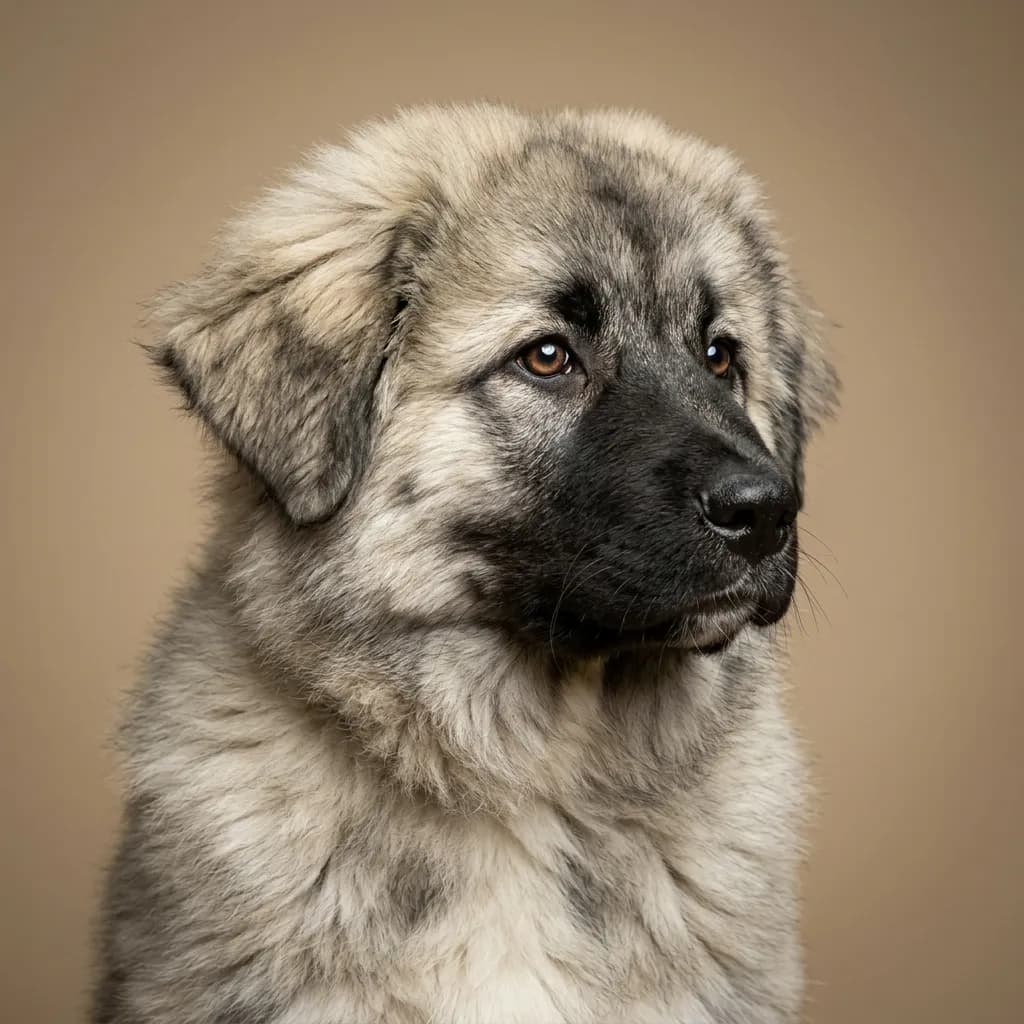
What Training a Caucasian Shepherd Dog Is Actually Like
Training a Caucasian Shepherd is not about teaching tricks or chasing high scores on obedience tests. It’s about shaping a large, independent-minded guardian who was bred to make decisions on his own in remote, rugged terrain. These dogs are not eager-to-please like a Border Collie. With a Coren trainability tier of 4, they learn new commands in 25 to 40 repetitions and respond correctly on the first try only about half the time. That’s not a flaw, it’s a feature—this breed was expected to assess threats without waiting for instructions. You’re not fighting stupidity; you’re working with a deeply ingrained independence. They’re not hyperactive, rating a 3/5 for energy and mental stimulation, but they’re not lazy either. They need consistent, calm leadership. If you’re a first-time owner or want a dog that hangs on your every word, this isn’t the breed for you. But if you value loyalty, courage, and a quiet confidence, you can build something solid—with patience.
Training Timeline
Start the day you bring your puppy home at 8 weeks. The socialization window closes fast, by week 12, so expose them early to all kinds of people, sounds, and environments—especially if you want a dog who doesn’t overreact to visitors. Between weeks 56 and 72, expect a second fear period. A dog that was bold suddenly hesitates at new things. Don’t push; instead, use positive reinforcement to rebuild confidence. From 8 to 24 months is adolescence, a long stretch where their size and instincts develop faster than their judgment. Basic obedience must be in place by 12 months because by 18 months, they’re strong enough to ignore commands they once followed. House training takes longer—often until 12 to 18 months. Crate training helps, but don’t expect overnight success. By 20 months, they hit full maturity, and their adult temperament settles. Consistency from 8 weeks onward is non-negotiable.
Breed-Specific Challenges
First, independence. This breed was bred to guard flocks without human direction, so they don’t default to looking at you for guidance. That means recall is a lifelong project. Second, size and strength. At an average of 134 pounds, a poorly trained Caucasian Shepherd is a safety risk. Leash pulling isn’t just annoying, it’s dangerous. Third, wariness toward strangers. While not aggressive without cause, they’re naturally suspicious. Without early and ongoing socialization, this can tip into reactivity. Finally, their guarding instincts don’t fade with age—they intensify. You can’t correct them out of guarding behavior later. You have to shape it early, or live with the consequences.
What Works Best
Use an adaptive mixed methodology. Start with positive reinforcement for basic manners, but don’t shy from firm, clear corrections when needed—this breed respects confidence. Keep sessions short, 5 to 10 minutes, 2-3 times daily. They tune out fast. Use high-value rewards like meat or cheese early on, but phase in life rewards like access to space or off-leash time as they mature. Training must be continuous, not phased out. Their mental stimulation needs are moderate but real—bored guardian dogs become destructive or overprotective. Train in real-world contexts: practice commands at the edge of your property, during livestock interactions, or when visitors arrive. This breed thrives on purpose, not praise. Structure their life like a working dog, because that’s what they are.
Crate Training Your Caucasian Shepherd Dog
You’ll need a big crate for a Caucasian Shepherd Dog—think 48 inches minimum, even for a puppy, because these pups hit 134 pounds on average and grow fast. Get one with a removable divider so you can block off space early on, but don’t rely on it long term. These dogs mature slowly, both physically and mentally, and a too-small space can cause stress, which they don’t tolerate well. They’re bold and fearless by nature, so if they feel trapped or uncomfortable, they won’t quietly accept it. They’ll test the crate, maybe chew the bars or push at the door, especially if they’re bored.
Their energy level is moderate—3 out of 5—but their temperament is key here. They’re kind and loyal, but independent. Crate training works best when you frame it as their choice, not a punishment. Use positive reinforcement, but keep it calm. Over-the-top praise or high energy can actually amp them up instead of settling them. These dogs do better with consistency and quiet authority.
Don’t expect long crate stretches. Even as adults, 4 to 5 hours max during the day is reasonable. They’re not high-energy, but they’re alert and aware, and separation anxiety can creep in if they feel isolated. Their boldness means they won’t panic easily, but they also won’t sit still if they don’t see the point.
Chewing is a real issue—these pups love to mouth things, and crate pads or blankets won’t survive unsupervised. Use indestructible rubber mats or thick, chew-proof bedding. Some will dig at the floor of the crate out of boredom, so keep sessions short and always tire them out with mental work first—food puzzles, scent games, basic obedience. Crate training this breed isn’t about control. It’s about giving them a secure space they trust, and that takes patience, not force.
Potty Training Your Caucasian Shepherd Dog
Potty training a Caucasian Shepherd Dog is not for the faint of heart and definitely not a sprint. These dogs are giants—averaging 134 pounds—with big bodies but not necessarily faster bladder control just because of size. Their sheer mass means they can hold it longer than a Chihuahua, yes, but their slow maturity and average trainability (3/5, Coren Tier 4) mean you’re looking at a 4 to 6-month minimum before reliable house training, and even then, expect slip-ups past a year. These dogs are fearless and bold, which can read as stubbornness when they decide they’d rather not go out in the rain.
They’re not eager-to-please like a Golden Retriever. They’re kind and loyal, but they think for themselves. You can’t just repeat a command and expect instant compliance. They need consistency, repetition—think 25 to 40 times for a new cue—and a calm, confident handler. If you’re hesitant or inconsistent, they’ll tune you out. And because they’re so large, their mistakes are, well, large. Cleaning up after a 130-pound dog inside the house is no joke, so prevention is everything.
One breed-specific challenge? They’re observant and independent. They’ll quickly learn where you don’t watch, and might choose quiet corners far from entrances as “private” spots if left unsupervised. Crate training is essential, but you’ll need a massive enclosure—this isn’t a breed you can confine in a standard crate. Supervision is non-negotiable.
Rewards need to be high-value but not excessive—these dogs can gain weight easily. Use praise paired with small, meaty treats the moment they finish outside. But don’t overdo the fussing. They respond better to calm, confident approval than hyper excitement. This isn’t a breed that lives to impress you. They’ll house-train on their timeline, not yours—so patience, structure, and daily routine are your best tools.
Leash Training Your Caucasian Shepherd Dog
Leash training a Caucasian Shepherd isn’t about forcing compliance—it’s about guiding a 134-pound guardian with a mind of its own. These dogs were bred to work independently, patrolling rugged terrain and making split-second decisions to protect livestock from predators. That means they don’t default to looking at you for direction. You’re not dealing with a eager-to-please Labrador; you’re working with a bold, fearless thinker who was literally designed to stand his ground against wolves.
Because of their size and strength, a standard collar is a non-starter. A front-clip harness isn’t just helpful, it’s essential. A back-clip harness on a dog this powerful turns every walk into a tug-of-war, and even slight pulling can strain your shoulders or lead to injury. A front-clip design gives you more control by redirecting their momentum when they surge ahead. Look for one built for giant breeds—reinforced stitching, wide straps, and secure buckles.
Their energy is moderate, but don’t mistake low-key for easygoing. They’ll walk calmly most of the time, but their prey drive can kick in suddenly—especially if they spot a small animal or sense a perceived threat. That’s when their guarding instincts flare. They might lunge, not out of aggression, but because they’re assessing danger in their own way.
Common issues include forging ahead without checking in, stiffening when approached by strangers or dogs, and outright refusal to move when they decide the environment is unsafe. These aren’t defiance issues. They’re instinctual responses.
Realistic leash manners for a Caucasian Shepherd mean loose-leash walking at 70 to 80 percent compliance. They won’t heel like a Border Collie, and that’s okay. Success looks like a dog who listens when it matters, responds to redirection, and trusts your judgment enough to stay by your side—even when every fiber in their body says to take charge.
“I just wish someone would tell me what to do and when to do it.”
Not generic puppy tips. Not a video course you’ll never finish. Just one email a week telling you exactly what to work on with your Caucasian Shepherd Dog, at the age they are right now. Nothing to sift through. Nothing to figure out. Just this week.
Get Started — It’s FreeTell us your breed and your puppy’s age. We’ll send you exactly what to work on this week.
Socializing Your Caucasian Shepherd Dog
You’ve got a Caucasian Shepherd, so you’re dealing with a giant 134-pound guardian bred to protect livestock from wolves in the Caucasus Mountains. That means they come out of the womb suspicious of new things, and their socialization window—weeks 3 to 12—slams directly into their first fear period at 8 to 11 weeks. That overlap is critical. You can’t wait until they’re “a little older” to start. By 12 weeks, the window’s closing and their natural wariness is kicking in hard.
This breed needs massive, positive exposure to people—strangers, kids, delivery guys, anyone who isn’t family—because they’re hardwired to assess threats. Without it, they won’t just be shy. They’ll default to guarding behavior, which at 20 months and full maturity means a dog who decides for himself who’s welcome. You’ll also want to expose them to large animals like livestock early, since that’s their instinctive role, but control the context so they learn observation, not pursuit.
They’re naturally wary of fast movements, loud noises, and unfamiliar people. That’s not fixable with training alone. You have to flood them with calm, controlled experiences before 12 weeks. Let them see, sniff, and process on their terms. Force it, and you’ll backfire—common mistake. Another mistake? Treating them like a social breed. They’re not. Over-socializing, especially with pushy strangers, can deepen suspicion.
If you skip proper socialization, you don’t just get a standoffish dog. You get a 134-pound guardian with zero tolerance for what he doesn’t know. That’s not training. That’s management, and it’s exhausting. But do it right, and you’ll have a bold, kind protector who knows the difference between a threat and a neighbor. Miss that window, and you’re playing catch-up with a 20-month-old giant who was born ready to defend.