Training Your Central Asian Shepherd Dog
Rare breeds with varied backgrounds. Approach based on breed's country of origin and original purpose.
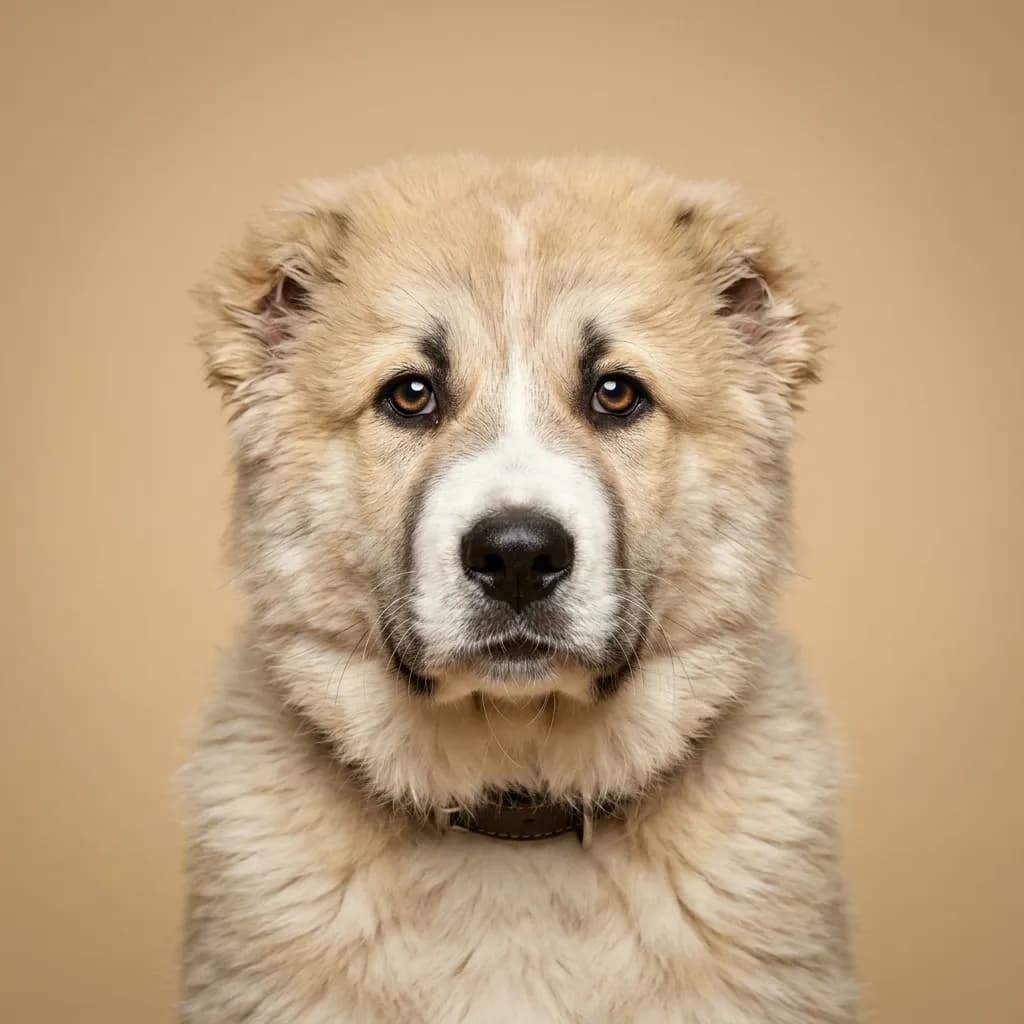
What Training a Central Asian Shepherd Dog Is Actually Like
Training a Central Asian Shepherd Dog isn’t about building obedience from scratch. It’s about earning leadership. These dogs are sharp, independent thinkers who were bred to make decisions without human input—guarding flocks across vast, remote stretches of Central Asia. That means they’ll assess a situation, then act. Your job isn’t to override that instinct, but to guide it. With a Coren trainability tier of 3, they learn new commands in 15 to 25 repetitions, and they’ll respond to the first command about 70% of the time. That’s solid for a livestock guardian, but it’s not the same as a Border Collie’s eagerness to please. They’re not stubborn for no reason; they’re wired to be self-reliant. If you approach training like you’re commanding a soldier, you’ll fail. If you approach it like you’re negotiating with a seasoned partner, you’ll get somewhere.
Training Timeline
Start socialization immediately. The prime window is weeks 3 to 12, so if you bring your pup home at 8 weeks, you’ve got six weeks to flood them with positive experiences—people, dogs, vehicles, livestock, weather. Use calm, controlled exposure; no forced interactions. At 8 months, adolescence kicks in early and lasts until 20 months, when they reach full maturity. Around weeks 56 to 72—so roughly 14 to 16 months—you’ll hit a second fear period. This is when a previously confident dog might spook at something ordinary, like a plastic bag or a passing truck. Don’t push. Reassure, redirect, and maintain routine. Training during adolescence needs consistency, but not rigidity. Short, repetitive sessions with clear boundaries work best. Formal obedience peaks around 18 months, but full emotional maturity comes at 20.
Breed-Specific Challenges
First, their independence can look like defiance. They won’t fetch for fun or sit for a treat unless they see the point. Second, their guarding instinct kicks in early and doesn’t switch off. A CASD raised around kids might accept them, but a strange child approaching the yard? That’s a potential threat in their eyes. Third, they’re not always dog-friendly, especially same-sex adults. Introductions need careful management. And fourth, their size—averaging 99 pounds—means mistakes are dangerous. A playful 10-month-old CASD jumping on someone is a 150-pound force. You can’t wing this breed’s training.
What Works Best
Use an adaptive mixed approach, blending positive reinforcement with clear, consistent boundaries. They respond to confidence, not aggression. Keep sessions short—10 to 15 minutes max—because their mental stimulation needs are moderate, not high. They’ll tune out if bored. Food rewards work, but so does praise and the privilege of access—letting them move into the yard after a solid heel, for example. Timing is critical. Start leash work early, but expect resistance between 8 and 12 months when confidence surges. Emphasize calm, controlled behavior over flashy tricks. They’ll master basic obedience by 15 months if you stay steady, but real reliability comes after 20 months. This isn’t a breed that blooms at a year. You’re building a guardian, not a show dog. Patience isn’t optional. It’s the foundation.
Crate Training Your Central Asian Shepherd Dog
A Central Asian Shepherd Dog needs a big crate—think 48 inches minimum, even for a puppy, because they hit 99 pounds on average and mature fast. Get one with a solid metal frame and chew-proof bars. A divider rarely makes sense here. These dogs grow quickly, but more importantly, they’re independent and territorial from an early age. Crating them too tightly can backfire, making them feel trapped and defensive. They’d rather have space to turn and settle on their own terms.
Their energy level is moderate, but their temperament is the real factor. These dogs aren’t eager to please like a Labrador. They’ll assess the crate like it’s their fortress. Some take to it fast, others will stand outside staring at it for days before stepping in. Don’t force it. Let them investigate. Toss in high-value bones or a stuffed Kong, but don’t hover. They need to choose it themselves. Once they claim it, they’ll guard it fiercely—so don’t let kids or other pets mess with their space.
You can crate them for 4 to 6 hours at a time as adults, but not because of bladder control. It’s about their separation tolerance. They’re stoic, not clingy, but they’re alert and will bark at anything that moves outside. Use white noise or a radio to mask outdoor sounds, or they’ll turn the crate into a sentry post. Puppies chew—expect them to shred pads or fabric liners. Use a rubber mat or nothing at all. Some dig at the floor, so anchor the crate or place it on concrete.
Start crate training early, but keep it low-pressure. These dogs respond to consistency, not repetition. One firm “place” command, then walk away. They’ll follow when they’re ready. Respect their pace, and the crate becomes their chosen den—not your demand.
Potty Training Your Central Asian Shepherd Dog
Housebreaking a Central Asian Shepherd isn’t about tricks or shortcuts—it’s about consistency, respect, and understanding their size and mindset. These are giant dogs, averaging around 99 pounds, and that massive frame means they do have a larger bladder capacity than smaller breeds. But don’t let that fool you into thinking they’ll hold it forever. Puppies still need to go out every 2-3 hours during the day, especially after eating, drinking, playing, or waking up. Waiting too long sets them up to fail and risks reinforcing indoor accidents, which this breed can quickly make a habit if not corrected early.
Central Asian Shepherds are ranked in Coren’s Tier 3 for trainability, meaning they learn new commands in 15 to 25 repetitions. That’s above average, but don’t mistake that for eagerness to please. These dogs are independent, self-confident, and will question your authority if your leadership isn’t calm and consistent. They’re not stubborn in the obnoxious sense—they’re thoughtful, almost calculating. They’ll learn the routine fast, but only if they see you as the one setting the rules.
Realistically, expect 4 to 6 months for reliable house training, maybe longer if you’re not on a strict schedule. Their size means fewer accidents from immaturity over time, but their independence means they’ll exploit any inconsistency. Crate training helps, but they grow out of standard crates quickly—you’ll need a large pen or dog-proofed space by 5-6 months.
One big challenge? They’re territorial and may mark indoors if they sense outside smells near doors or windows. Keep their environment clean and scent-free to avoid this. Also, their vigilance means they’ll get distracted outdoors, scanning for threats instead of focusing on potty business. Keep sessions short and structured.
For rewards, go for quiet praise and high-value treats like small bits of cheese or meat. They don’t need constant cheerleading—just clear, confident feedback that they made the right choice.
Leash Training Your Central Asian Shepherd Dog
A Central Asian Shepherd on leash isn’t just walking—they’re assessing. This is a guardian breed built to patrol borders and make independent decisions, so expect them to take their job seriously even in suburban neighborhoods. Their average weight of 99 pounds means equipment matters from day one. Skip the standard collar; a front-clip harness like the Balance or Freedom model helps manage their natural tendency to pull without compromising their thick neck and shoulders. But don’t expect magic from gear alone. These dogs are strong, confident, and not easily redirected, so the harness is a tool, not a fix.
Their energy sits at a moderate 3 out of 5, but don’t mistake calm for compliance. They won’t sprint like a husky or weave like a border collie, but they’ll plant when they disagree with direction—often to monitor perceived threats, like a passing cyclist or a neighbor’s dog. That’s not stubbornness, it’s purpose. They were bred to be autonomous protectors across vast, remote terrain, so they’re wired to scan, decide, and act without human input. On leash, that translates to selective listening and a habit of blocking or positioning themselves between you and stimuli.
Common issues include barrier reactivity, resistance to turning, and outright refusal to move when they sense risk. Prey drive is moderate but situationally intense—they’ll fixate on small animals, not out of play but perceived threat or control.
Realistic leash manners for this breed mean steady walking with occasional pauses to assess, responsiveness to firm but calm cues, and minimal pulling in familiar areas. They’ll never be a heeler, nor should they be. Success is a dog who allows guidance without challenging it, not one who trots politely past every trigger. Train early, stay consistent, and respect their role—they’re not a pet who happens to guard, they’re a guardian who happens to live at your house.
“I just wish someone would tell me what to do and when to do it.”
Not generic puppy tips. Not a video course you’ll never finish. Just one email a week telling you exactly what to work on with your Central Asian Shepherd Dog, at the age they are right now. Nothing to sift through. Nothing to figure out. Just this week.
Get Started — It’s FreeTell us your breed and your puppy’s age. We’ll send you exactly what to work on this week.
Socializing Your Central Asian Shepherd Dog
Socializing a Central Asian Shepherd Dog isn’t just important—it’s non-negotiable. These pups hit their socialization window between weeks 3 and 12, and right in the middle is their first fear period from weeks 8 to 11. That overlap is critical. You’ve got to be proactive before they hit 8 weeks and extremely careful not to overwhelm them after. Push too hard during that fear phase and you’ll create lasting suspicion; do too little and their natural wariness hardens into outright aggression.
These dogs were bred to guard livestock across vast, isolated stretches of Central Asia. They’re independent, courageous, and self-confident by design. That means they don’t default to trusting new people, animals, or situations. You need to expose them early and consistently to a wide range of people—especially strangers, children, and men, since they often show more caution there. Frequent, positive interactions with other dogs are also key, but avoid dog parks. This breed doesn’t need off-leash playgroups; they need controlled, respectful encounters that teach them to stay calm, not reactive.
They’re naturally wary of sudden movements, loud noises, and unfamiliar environments. Address this by introducing those elements gradually, at a distance, paired with high-value rewards. Don’t force contact. Let them observe and decide. Their job was to assess threats, not greet them with a wag.
Common mistakes? Flooding them with too much too soon, or assuming their independence means they don’t need socialization. Some owners think, “They’re smart, they’ll figure it out,” but without early exposure, that independence becomes unilateral decision-making—like deciding the mail carrier is a threat worth confronting.
Skip proper socialization and by 20 months, when they’re fully mature, you’ll have a 99-pound dog who makes high-stakes decisions without your input. That’s not just difficult to manage—it’s dangerous. Early, thoughtful socialization doesn’t soften their guarding instinct. It sharpens their judgment.